OPEC+ Postpones Decision on Production Capacity Amid Global Market Uncertainty
OPEC+ members have delayed a critical ruling on oil production capacity baselines until June 2027, citing geopolitical tensions and market instability.

- OPEC+ delayed a decision on new baseline production capacity levels until June 2027.
- The group cited market uncertainty linked to the wars in Ukraine and involving Iran as key reasons for the delay.
- Iraq has disputed the findings of an independent capacity assessment, seeking a higher production quota than what was determined by the study.
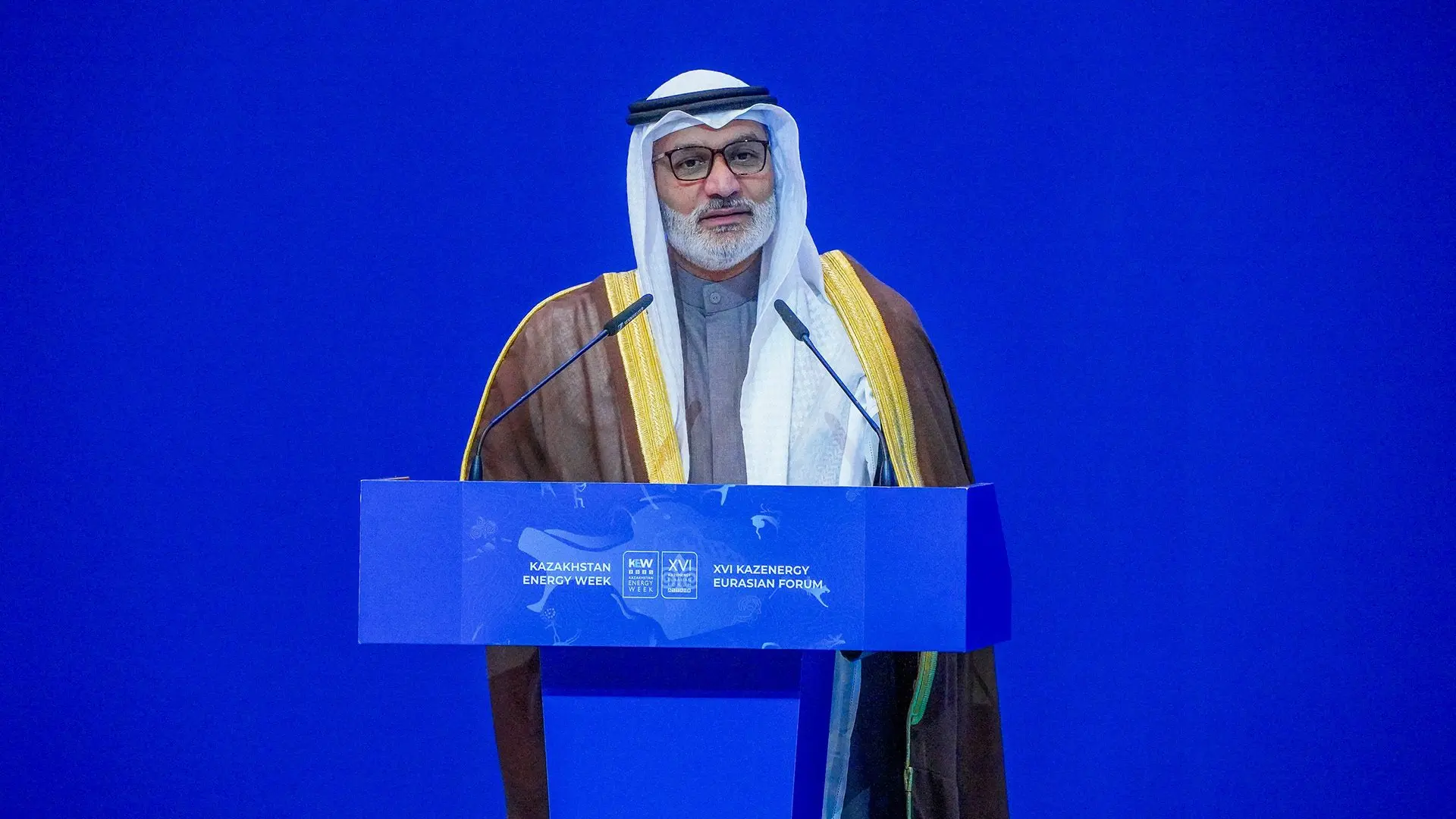
The Organization of the Petroleum Exporting Countries and its allies (OPEC+) concluded an online meeting on Sunday without reaching a consensus on contentious new production capacity levels. Citing significant market uncertainty, members opted to defer the decision until June 6, 2027, or earlier if prevailing conditions allow. The group indicated that certain member nations requested additional time for deliberation, with internal discussions set to continue through the end of March 2027.
Geopolitical Impact on Market Stability
The postponement comes as the oil market navigates a complex period of volatility driven by two major conflicts. Ongoing hostilities involving OPEC member Iran and the disruption of the vital Strait of Hormuz, coupled with energy infrastructure damage stemming from the conflict in Ukraine, have obscured the long-term outlook for global energy supplies. Market analysts suggest that while the delay provides the group with necessary tactical flexibility, it also leaves fundamental market issues unresolved. Some experts warn that the group is effectively buying time at the risk that market indicators may weaken before geopolitical stability returns.
Internal Disagreements and Capacity Assessments
Central to the friction is a new baseline capacity study conducted over two years by the consultancy firm DeGolyer and MacNaughton. While OPEC Secretary-General Haitham al-Ghais had previously touted the assessment as an independent and objective evaluation of maximum sustainable production, the findings have met with internal resistance. Notably, Iraq has formally disputed the figures attributed to its production capabilities. The independent assessment suggests an output potential below five million barrels per day, whereas Iraqi Oil Minister Bassem Khudair maintains the country can achieve 5.2 million barrels, asserting that negotiations to increase the ceiling are a matter of defending the nation’s rights as a founding member.
Future Market Challenges
Industry observers note that OPEC+ enters 2027 in a paradoxical position, characterized by underproduction against current quotas by over two million barrels per day, while simultaneously oversupplying the market by 1.5 million. The International Energy Agency has forecasted a potential return to a global oil surplus in the fourth quarter, which could necessitate future production cuts. The coalition remains wary of aggravating existing tensions; the United Arab Emirates exited the organization earlier this year due to disputes over production quotas. Consequently, analysts suggest that maintaining internal cohesion currently outweighs the group's desire for aggressive production reform to avoid further membership crises.
- The decision on new baseline capacity levels is pushed to June 6, 2027.
- Market uncertainty is primarily driven by the conflict in Ukraine and tensions involving Iran.
- Iraq is challenging the new capacity assessment, claiming it can produce more oil than the independent study suggests.
- The Organization of the Petroleum Exporting Countries and its allies (OPEC+) concluded an online meeting on Sunday without reaching a consensus on contentious new production capacity levels.
Spotted an error? · Our editorial policy
UP NEXTBangladesh and Pakistan Establish Five-Year Framework for Government TradeSwipe more stories · BusinessQuick cards, a few lines each. Tap to open.More from Business
SBI Research Revises December RBI Rate Hike Forecast to 50 Basis Points
States Explore Power Utility IPOs to Fund Infrastructure Targets

Tata Sons Files Caveats in Two Courts After High Court Declines to Halt Board Meeting