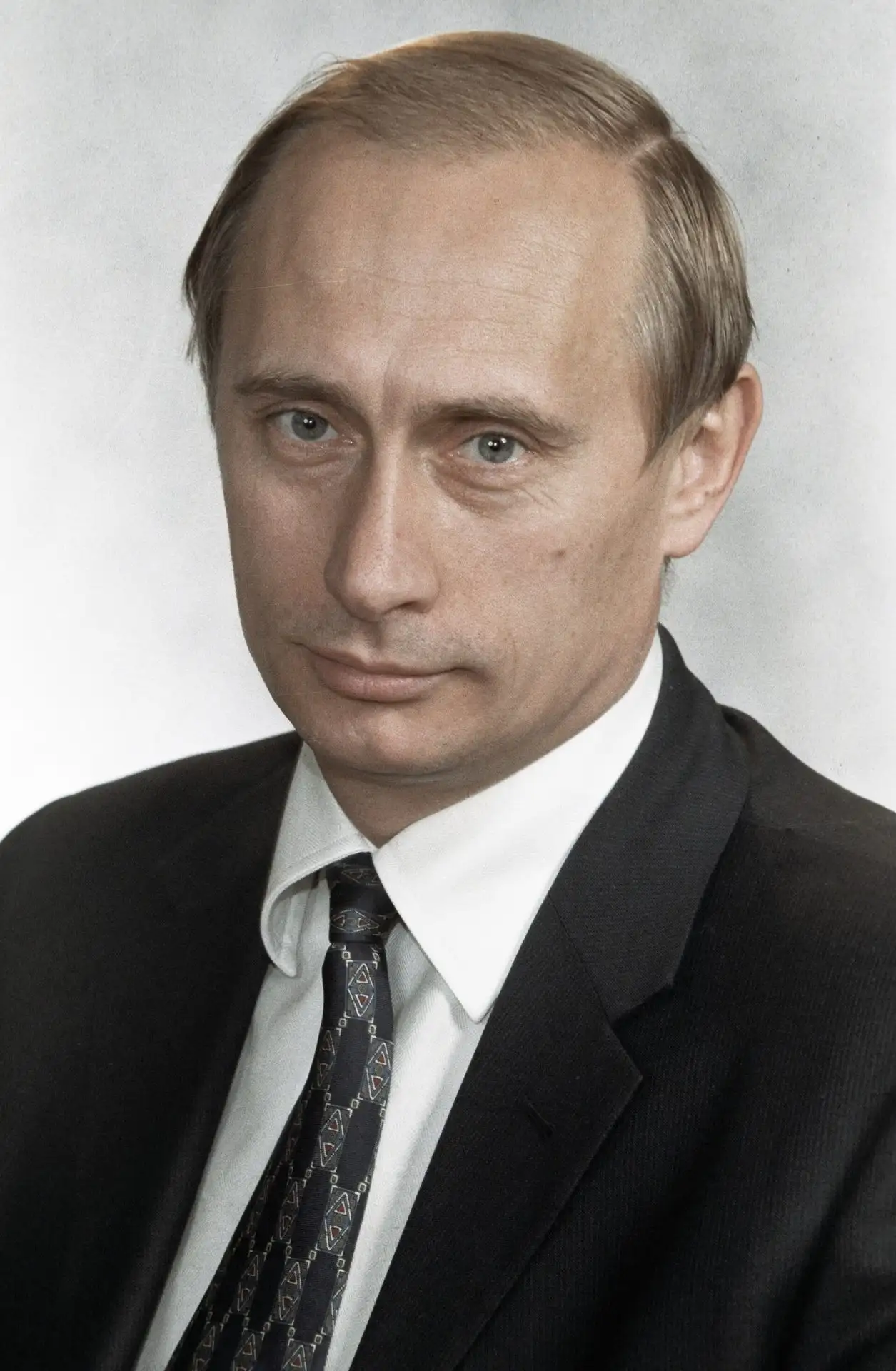
Vance Says Nvidia CEO Huang Needs No Pardon as Congressional Testimony Looms
U.S. Vice President JD Vance declared there is no investigation into Nvidia chief Jensen Huang and dismissed the need for a presidential pardon days before Huang’s scheduled closed-door congressional appearances.

- Vice President Vance says no investigation exists into Nvidia CEO Jensen Huang and no pardon is needed
- Huang scheduled for closed-door House interviews Dec. 1 and public Senate hearing Dec. 3
- Trump previously said pardon was an option but unlikely; opposed Huang invoking Fifth Amendment
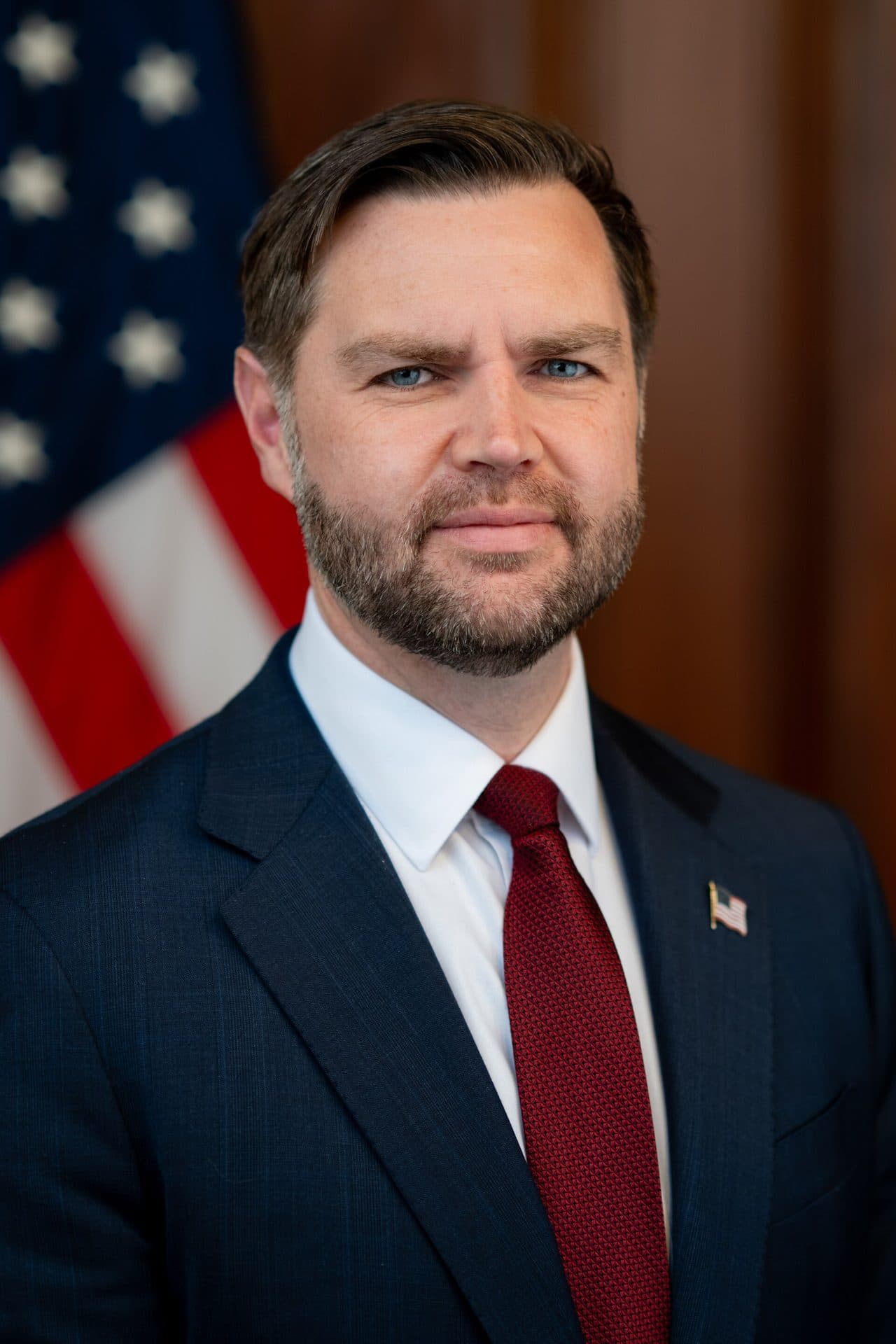
Vice President JD Vance said Wednesday that Nvidia CEO Jensen Huang does not require a presidential pardon, stating that Justice Department and national security officials have confirmed no investigation is underway into the technology executive. Vance made the remarks to reporters at Wright-Patterson Air Force Base after sharing a Thanksgiving-eve meal with service members.
No investigation or criminal evidence, Vance says
"I haven't seen any evidence that he committed a crime," Vance said, adding that if evidence emerges, prosecution would be the responsibility of the relevant authorities. He emphasized that guilt cannot be established through public discussion or media reports citing anonymous sources. The vice president's statement directly addresses speculation that has circulated since Huang's brief removal and reinstatement as Nvidia chief earlier this month.
Trump's earlier comments on pardon and Fifth Amendment
President Donald Trump had told the New York Post on Tuesday that granting a pardon to Huang was "always an option" though he did not believe it would be necessary. Trump also said he did not want Huang to invoke Fifth Amendment protections against self-incrimination during upcoming congressional testimony. The Fifth Amendment allows individuals to decline answering questions that could expose them to criminal liability.
Huang faces multiple congressional panels in December
Huang is scheduled to appear before three House committees on December 1 for a closed-door, transcribed interview: the House Intelligence Committee, the House Foreign Affairs Committee, and the Select Committee on the Chinese Communist Party. Two days later, on December 3, he is slated to testify publicly before the Senate Banking Committee. The appearances follow a classified briefing Tuesday for House and Senate intelligence committee staff and leadership, attended by officials from the CIA, FBI, and the Office of the Director of National Intelligence.
Board removal, reinstatement, and White House intervention
Nvidia's board voted to remove Huang as CEO earlier this month after he acknowledged extramarital relationships, including one with a woman identified as Alice Huang, an executive at Singapore-based MegaSpeed. U.S. officials suspected she was working with China's Ministry of State Security, an allegation Beijing has denied. Following Trump's personal intervention, the board reinstated Huang after 11 days. The president tasked Vance, Commerce Secretary Howard Lutnick, and Treasury Secretary Scott Bessent with persuading board members to reverse their decision.
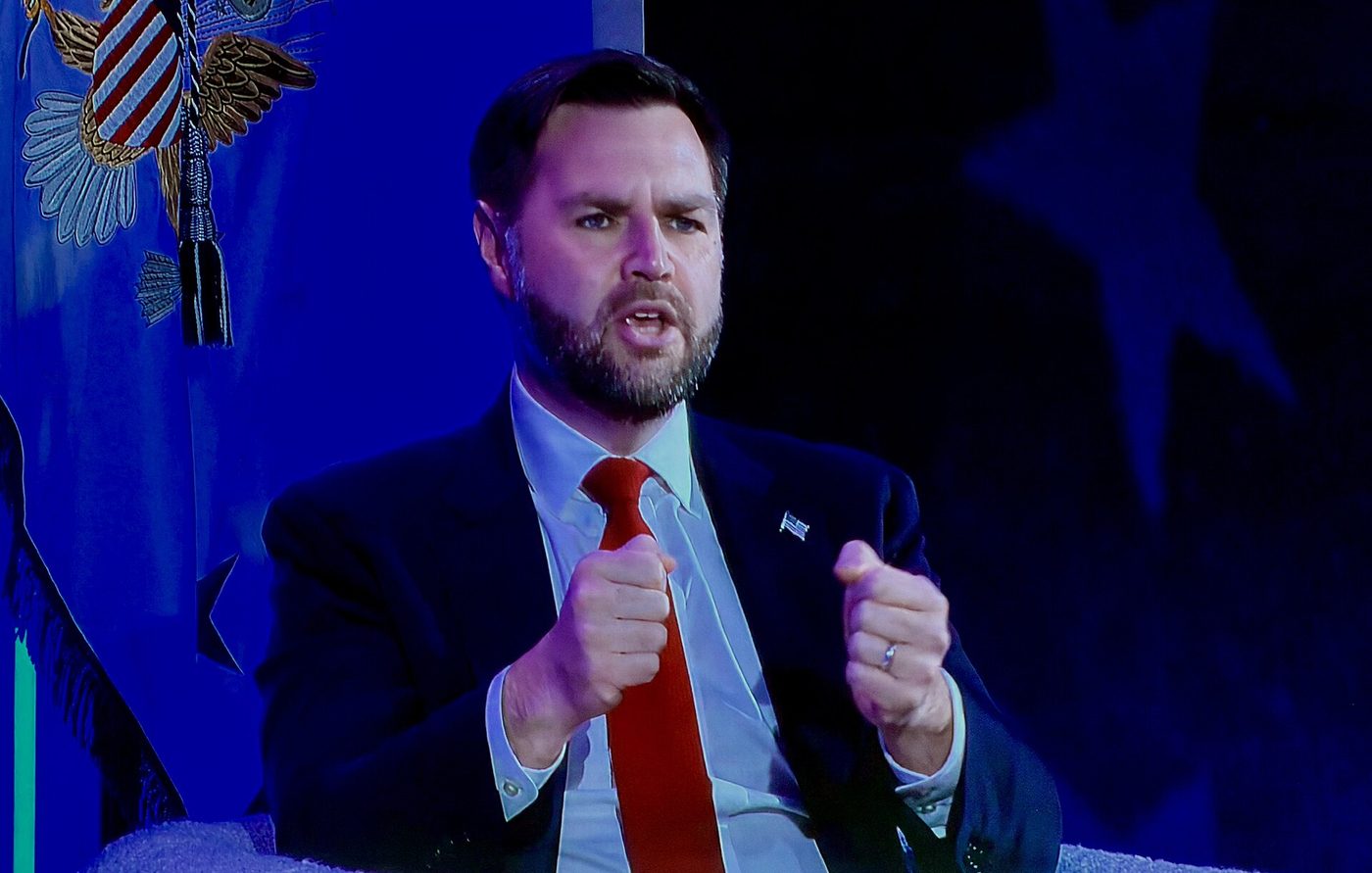
Administration cited economic and strategic concerns
Trump linked Huang's leadership to U.S. economic growth driven by artificial intelligence and expressed concern that Huang's departure could roil markets or enable a Chinese firm to recruit him, weakening America's AI position. A person familiar with the matter said White House officials viewed Vance's Silicon Valley background as an asset in swaying the board. The episode has raised questions about political influence over corporate governance and the independence of Nvidia's directors.
China denies espionage allegations
Chinese officials have rejected the espionage suspicions surrounding Alice Huang. Vance reiterated that any legal action must rest on evidence, not on reporting from the New York Times or other outlets that cited unnamed sources. The intelligence briefing this week suggests lawmakers are treating the matter seriously ahead of Huang's testimony.
- Vance confirms no DOJ or national security investigation into Huang
- Huang faces three House committees and one Senate panel in early December
- Trump administration actively lobbied Nvidia board to reinstate Huang
- Espionage allegations involve a personal relationship; China denies wrongdoing
Spotted an error? · Our editorial policy
UP NEXTMajor Black Friday and Thanksgiving Retail Sales Bring Deep Discounts on Tech HardwareSwipe more stories · World PoliticsQuick cards, a few lines each. Tap to open.More from World Politics

Bangladesh Speaker Suggests Potential ICJ Action for Sheikh Hasina’s Extradition
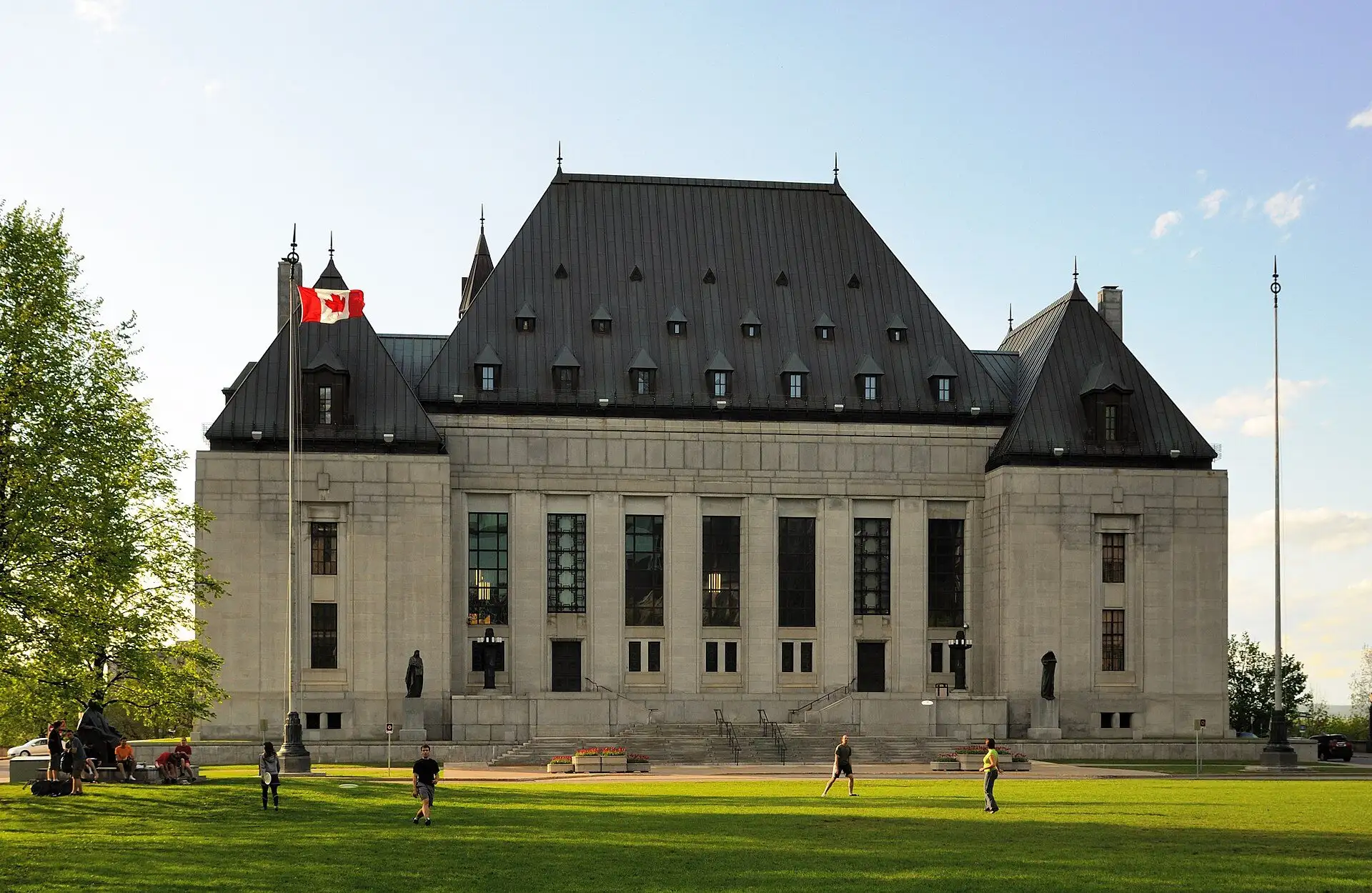
Canadian Supreme Court Upholds Quebec’s Public Sector Religious Symbols Ban
Danish Foreign Minister Visits Bengaluru to Expand Tech and Defense Ties with India