US Tariffs and Policy Scrutiny Aim to Pressurize Trade Deals, Says GTRI
The United States Trade Representative has proposed tariffs of up to 25 percent on Indian goods, citing structural excess manufacturing capacity following an eight-month investigation.

- The USTR proposed tariffs of up to 25% on Indian goods, or 17% if a trade deal is signed.
- The Union commerce and industry ministry stated India has no structural excess capacity.
- About 50-52% of Indian exports to the US could be affected, while 40% remain at zero tariff.

The United States has raised questions concerning domestic manufacturing support policies in India, such as the Production Linked Incentive program and the Make in India initiative, according to statements from Ajay Srivastava, founder of the Global Trade Research Initiative. These developments follow a move by the Office of the United States Trade Representative to propose tariffs reaching up to 25 percent on Indian products, with a potential reduction to 17 percent if a trade agreement is secured. Srivastava noted that Washington is criticizing these policies because successful domestic production in India could boost local competitiveness and decrease demand for American merchandise.
Global Scrutiny and Trade Agreement Pressures
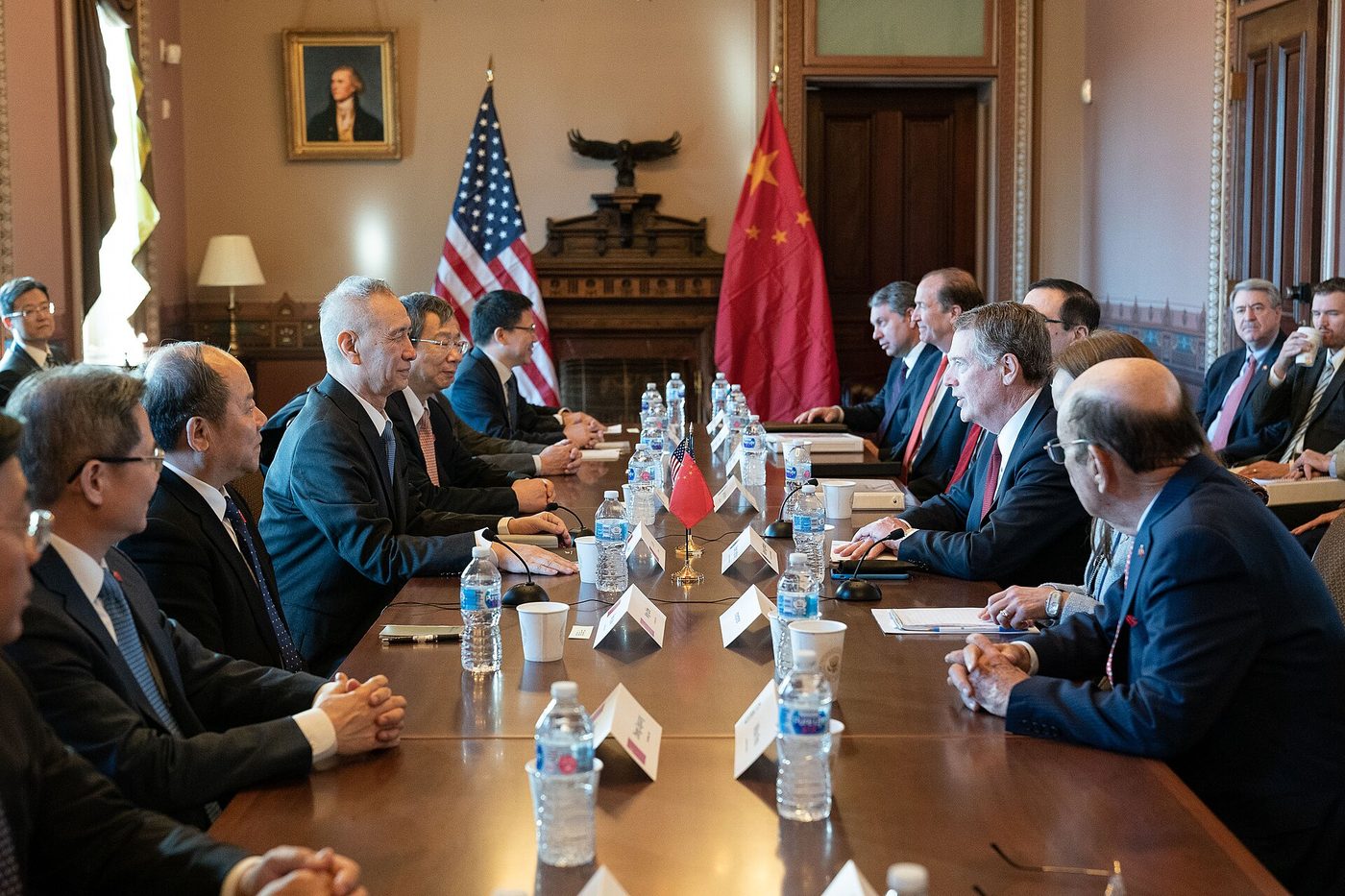
The policy scrutiny is not isolated to India, as the American administrative actions target 16 major trading economies, including China and the 27 member states of the European Union. Srivastava stated that other nations, such as Cambodia, have similarly faced USTR criticisms regarding domestic economic policies, labor laws, and manufacturing promotion efforts. He alleged that concerns over structural excess capacity serve merely as a pretext to compel nations into one-sided, extractive trade agreements favorable to Washington.
Indian Government Response and Consultations
In response to the developments, the Union commerce and industry ministry stated that India does not possess structural excess capacity in any economic sector. The ministry confirmed that the USTR notice is currently under examination and noted that Indian officials engaged constructively throughout the eight-month investigation, which was conducted under Section 301 of the US Trade Act of 1974. Furthermore, the government maintains that trade-related matters should be resolved through ongoing negotiations for the India-US Bilateral Trade Agreement, reaffirming its commitment to finalizing the pact.
Impact on Exports and Sectoral Breakdown
Srivastava advised the Indian government to utilize the open consultation period extending until January to present its case against the allegations of excess capacity. He also suggested highlighting heavy agricultural subsidies provided by the United States as a counterpoint regarding excess capacity. Regarding potential trade impacts, approximately 50 to 52 percent of India's exports to the US could face disruption, affecting labor-intensive segments like textiles, leather goods, garments, handicrafts, and certain auto components. Meanwhile, about 40 percent of exports—including petrol, diesel, generic pharmaceuticals, and iPhone-category items—will maintain zero-tariff entry, while steel, aluminum, copper, and select auto parts continue to face elevated tariffs currently sitting at 50 percent, accounting for 7 to 8 percent of shipments.
- US proposed up to 25% tariffs on Indian goods due to alleged excess manufacturing capacity.
- India's commerce ministry maintains the country has no structural excess capacity in any sector.
- Labor-intensive exports face risks, while items like generic medicines and electronics retain zero-tariff access.
Spotted an error? · Our editorial policy
UP NEXTMajor Black Friday and Thanksgiving Retail Sales Bring Deep Discounts on Tech HardwareSwipe more stories · World PoliticsQuick cards, a few lines each. Tap to open.More from World Politics
Bangladesh Speaker Suggests Potential ICJ Action for Sheikh Hasina’s Extradition
Canadian Supreme Court Upholds Quebec’s Public Sector Religious Symbols Ban

Danish Foreign Minister Visits Bengaluru to Expand Tech and Defense Ties with India