New Zealand Faces Political Deadlock as Centrist Party Holds Balance of Power
Final election results leave Prime Minister Christopher Luxon one seat short of a majority, forcing him to negotiate with the Opportunity Party to form a government.

- Prime Minister Christopher Luxon's coalition finished with 65 seats, one shy of a 66-seat majority.
- The Opportunity Party, led by Qiulae Wong, holds seven seats and currently controls the balance of power.
- Wong has established non-negotiable policy demands regarding climate change and governance that create friction with Luxon's current coalition partners.
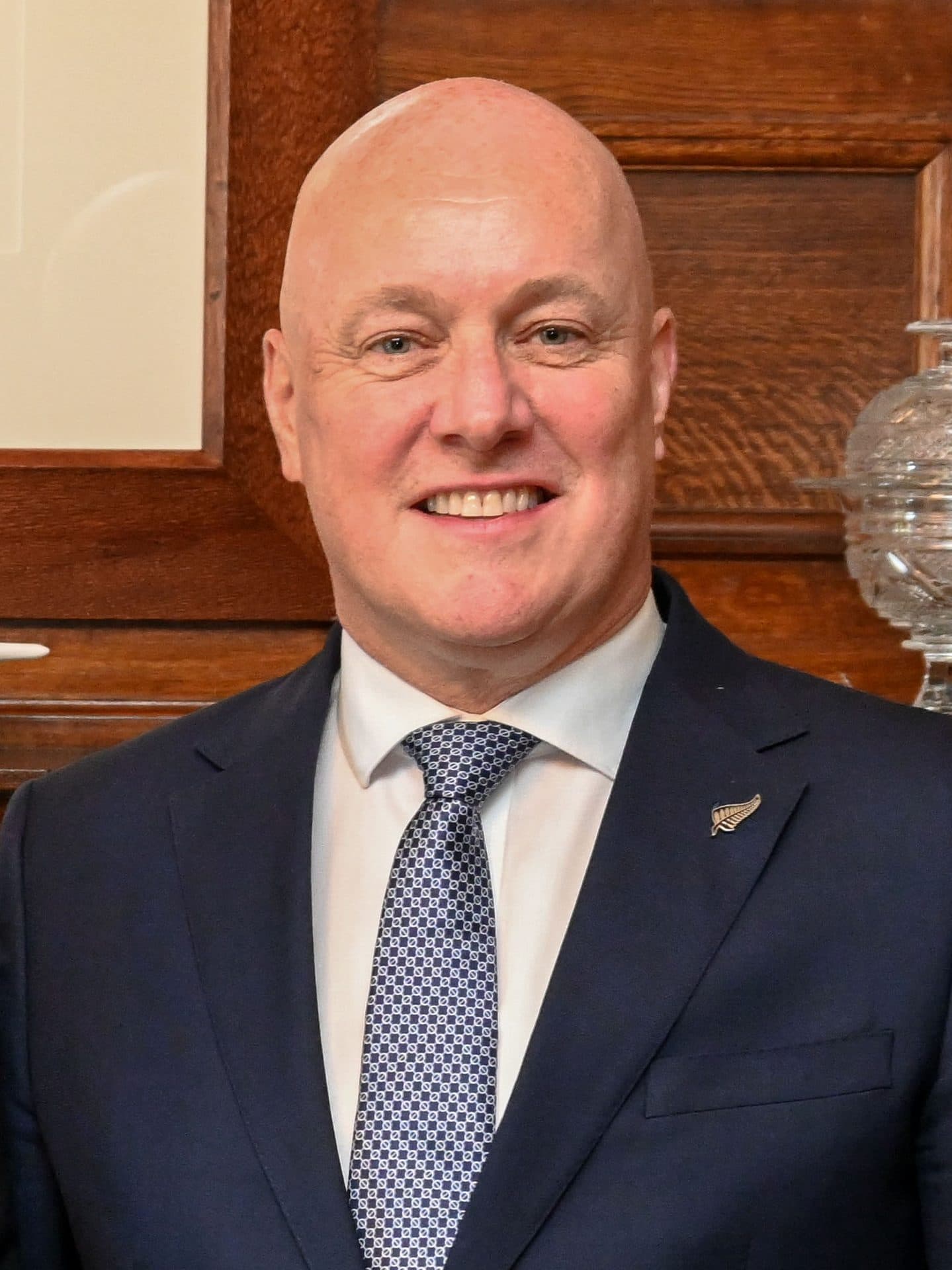
New Zealand faces a period of political uncertainty following the release of final election results on Friday, which confirmed that Prime Minister Christopher Luxon’s right-wing coalition has failed to secure a parliamentary majority. The official count reveals that the ruling coalition, comprised of the National Party, the populist NZ First, and the libertarian ACT, holds 65 of the country’s 130 parliamentary seats. This result leaves the administration exactly one seat short of the required threshold to govern, a significant shift from preliminary outcomes that previously suggested the bloc could retain its hold on power.
The Emergence of the Opportunity Party
With the major political blocs falling short, the Opportunity Party has emerged as the definitive kingmaker in the aftermath of the November 7 vote. Led by 38-year-old former business consultant Qiulae Wong, the party secured seven seats in parliament, marking a substantial rise for a group that polled at approximately one percent just over a year ago. Wong, a political newcomer, has positioned her party as a centrist alternative, campaigning on a platform that advocates for pragmatic decision-making and a rejection of the partisan polarization that has characterized recent domestic politics.

Negotiation Hurdles and Policy Demands
Prime Minister Luxon acknowledged the difficulty of the situation, informing the public that the upcoming coalition negotiations are expected to be complex and time-consuming. Despite having previously ruled out cooperation with the Opportunity Party during the campaign, Luxon is now required to engage with Wong to secure the support necessary for a stable, full-term government. This process is further complicated by the divergent priorities held by Luxon’s existing allies, who have signaled ideological resistance to several of Wong’s core initiatives.
Wong has declared five “bottom-line” policies as non-negotiable prerequisites for any potential partnership. These demands include significant measures to address climate change and a cessation of bottom-trawling practices, both of which conflict with the established platforms of the ACT and NZ First parties. Additionally, Wong has publicly stated she would refuse to participate in a government that includes NZ First leader Winston Peters in a foreign minister role, citing past inflammatory remarks made by the politician toward a colleague of Chinese descent.
Potential for Future Elections
The failure of either the conservative bloc or the opposition Labour Party, which captured 58 seats, to secure a majority has left the nation in a precarious position. While both Prime Minister Luxon and opposition leader Chris Hipkins have commenced discussions with the Opportunity Party, no agreement has been reached. Wong has indicated that she is open to working with either side but has declined to rule out the possibility of a second election if a viable path to government cannot be negotiated. Analysts note that given the complexities of the current parliamentary math, the formation of a new government could take weeks or even months to resolve.
- Christopher Luxon is one seat short of a majority following the final count.
- The Opportunity Party is the new kingmaker with seven seats in parliament.
- Negotiations are ongoing, and the country may face another election if a government cannot be formed.
Spotted an error? · Our editorial policy
UP NEXTNottingham Forest Stun Chelsea 3-2 as Gibbs-White Double Deepens Blues CrisisSwipe more stories · World PoliticsQuick cards, a few lines each. Tap to open.More from World Politics
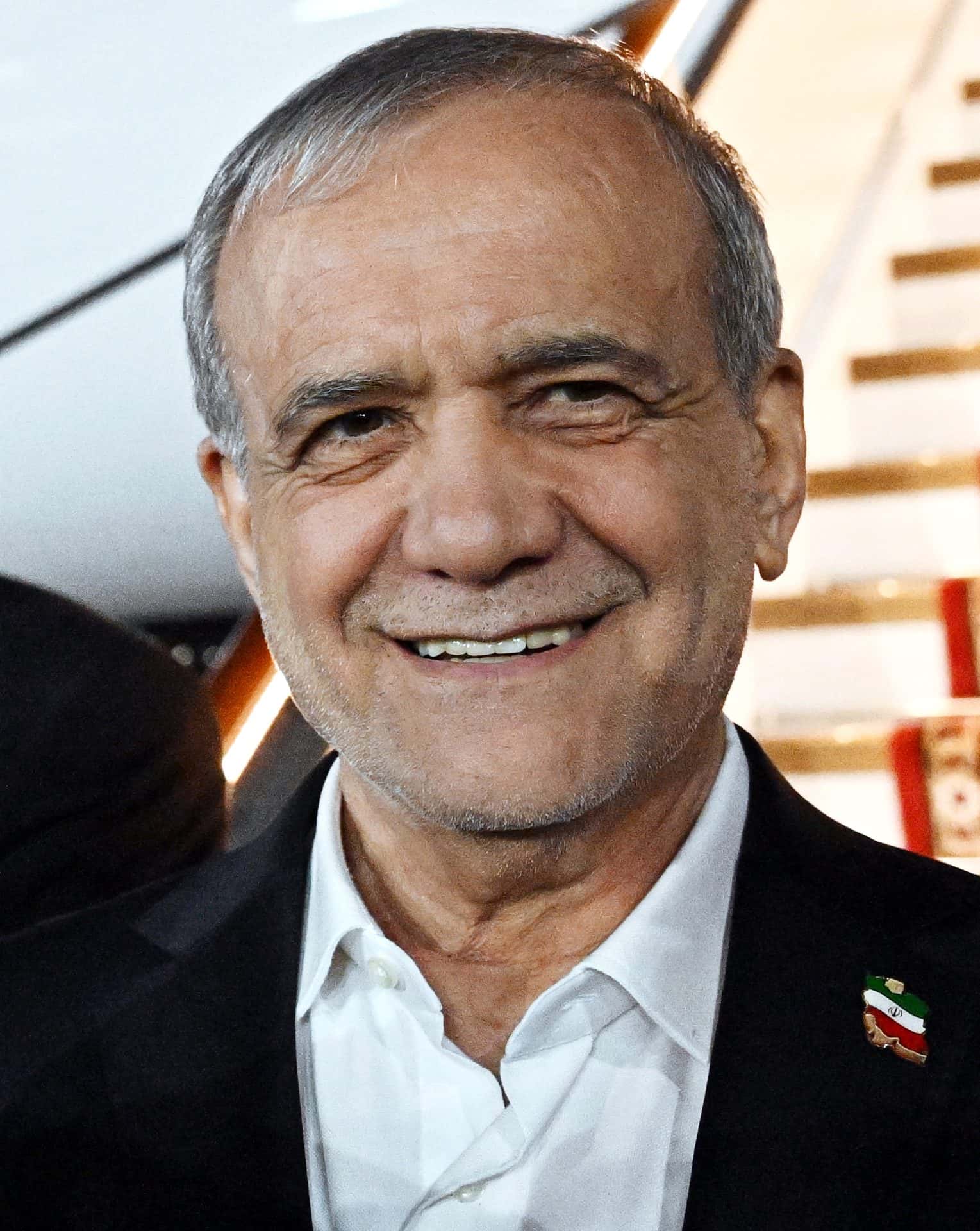
Bessent mocks Pezeshkian’s energy conservation display as Iran crisis deepens
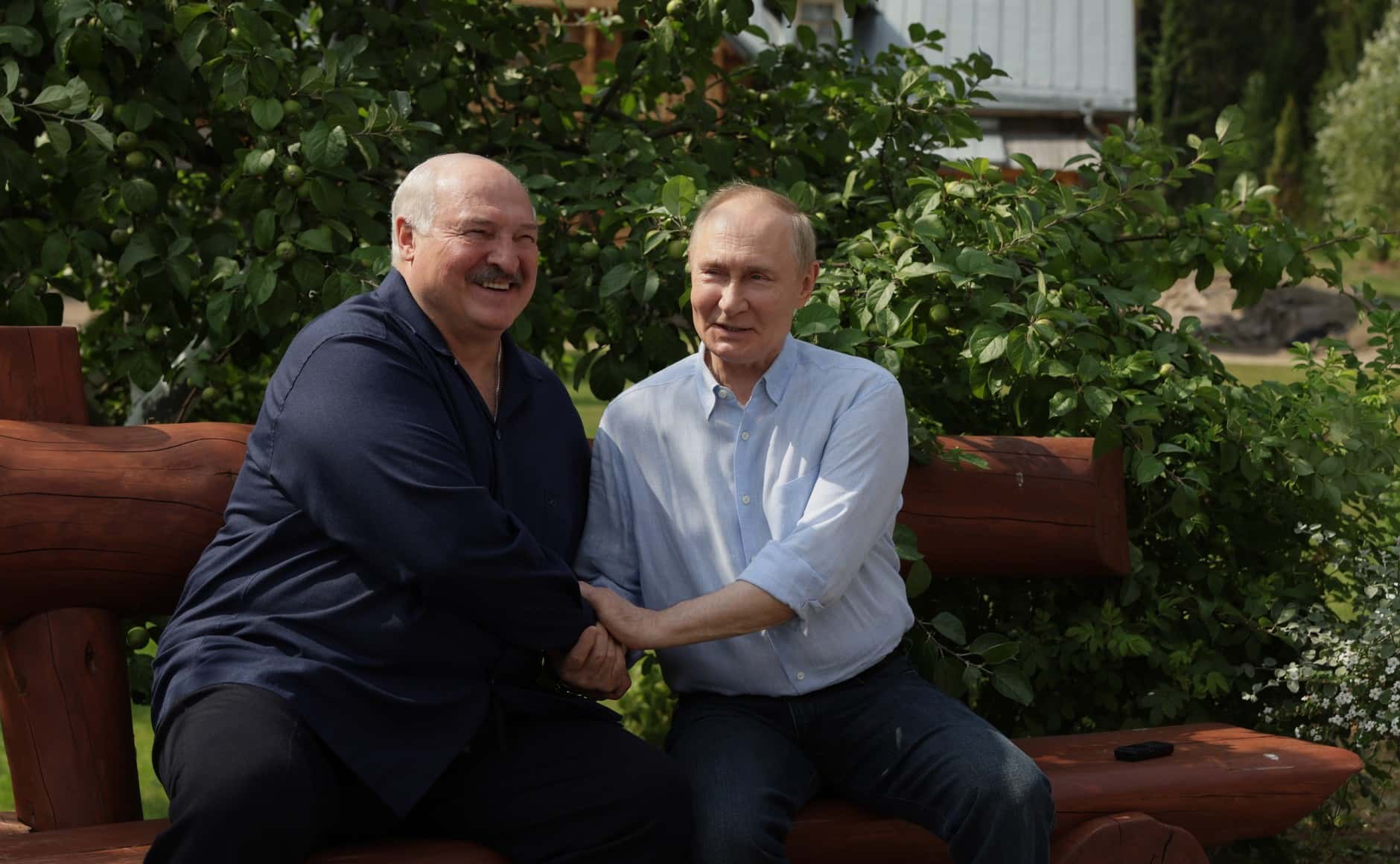
Belarus President Challenges Kremlin’s Historical Justification for Ukraine Conflict
Bangladesh Speaker Suggests Potential ICJ Action for Sheikh Hasina’s Extradition