Netanyahu Proposes Rotational Premiership with Eisenkot Amidst Coalition Impasse
Caretaker Prime Minister Benjamin Netanyahu has offered to step aside for Yashar party chairman Gadi Eisenkot to serve first in a rotating government, a proposal met with widespread skepticism from political rivals.

- Benjamin Netanyahu offered Gadi Eisenkot the first term in a rotating prime minister arrangement.
- No political party achieved the 61-seat majority required to form a government.
- Gadi Eisenkot has until December 6 to announce the formation of the next government.

Caretaker Prime Minister Benjamin Netanyahu has publicly proposed a power-sharing arrangement in a potential unity government, offering to let his political rival Gadi Eisenkot, the leader of the Yashar party, serve as the first prime minister. Under the suggested rotation, Netanyahu would initially assume the role of alternate prime minister. Netanyahu stated on social media that he felt compelled to set aside his own preference for leading the government as the representative of the largest party, citing a significant security threat facing the nation as the primary motivation for his concession.
Political Context and Parliamentary Arithmetic
This development follows an inconclusive election cycle where no political bloc achieved the 61-seat majority required to control the 120-member Knesset. The Likud-led alliance commanded 53 seats, while the camp supporting Eisenkot held 48 seats, with Arab-led parties accounting for another 19 seats. The stalemate has placed intense pressure on negotiators, as Eisenkot is under a mandate to finalize the formation of a government by the official deadline of December 6, having declined to request an additional 14-day extension.
Divisions and Skepticism Among Opposition Leaders
The offer has faced immediate rejection from prominent opposition figures, who characterized the proposal as a tactical maneuver rather than a sincere effort at cooperation. Former Prime Minister Yair Lapid of the Beyachad party dismissed the overture as a deceptive tactic from a leader known for violating previous agreements. Similarly, Democrats chairman Yair Golan urged an end to political maneuvering, insisting that the electorate had voted for change and that a new government should be established without Netanyahu’s inclusion. Avigdor Liberman of Yisrael Beytenu had previously dismissed similar suggestions of a rotation as political theatre.
Negotiation Challenges for Eisenkot
Gadi Eisenkot, who recently criticized the Likud party for allegedly stalling coalition talks, continues to lead efforts to construct a governing majority. While the Yashar party has secured agreements with both the left-leaning Democrats and the right-wing Yisrael Beytenu, the coalition remains short of the required 61 seats. The formation of the next cabinet is further complicated by internal disagreements over whether to seek alliances with ultra-Orthodox factions or Arab-majority parties. Reports indicate that Raam leader Mansour Abbas may move to recognize Hamas as a terrorist organization, a shift that could facilitate his party's support for an Eisenkot-led administration, despite vocal opposition from some of Eisenkot’s existing allies regarding reliance on Arab-majority lists.
- Netanyahu claims security threats necessitate a unity government, despite failing to win a majority.
- Eisenkot's current coalition partners possess only 36 seats, far below the required 61.
- Political rivals remain firm in their goal to remove the current government rather than joining a rotation with Netanyahu.
- Caretaker Prime Minister Benjamin Netanyahu has publicly proposed a power-sharing arrangement in a potential unity government, offering to let his political rival Gadi Eisenkot, the leader of the Yashar party, serve as the first prime minister.
Spotted an error? · Our editorial policy
UP NEXTUN Rapporteur Francesca Albanese Arrives in Mexico After Costa Rica Entry BanOther angles · #Benjamin Netanyahu
Timeline →- NewsIsraeli Prime Minister Netanyahu proposes rotation deal to rival Gadi Eisenkot amid coalition talks
- NewsIsraeli Caretaker Premier Netanyahu Proposes Rotation Deal to Gadi Eisenkot
- NewsIsrael Threatens Southern Evacuation of One Million Gazans Amid Ongoing Military Operations
- NewsIsraeli Judges Urge Dropping Key Bribery Charge Against Netanyahu, Question Second Case
More from World Politics
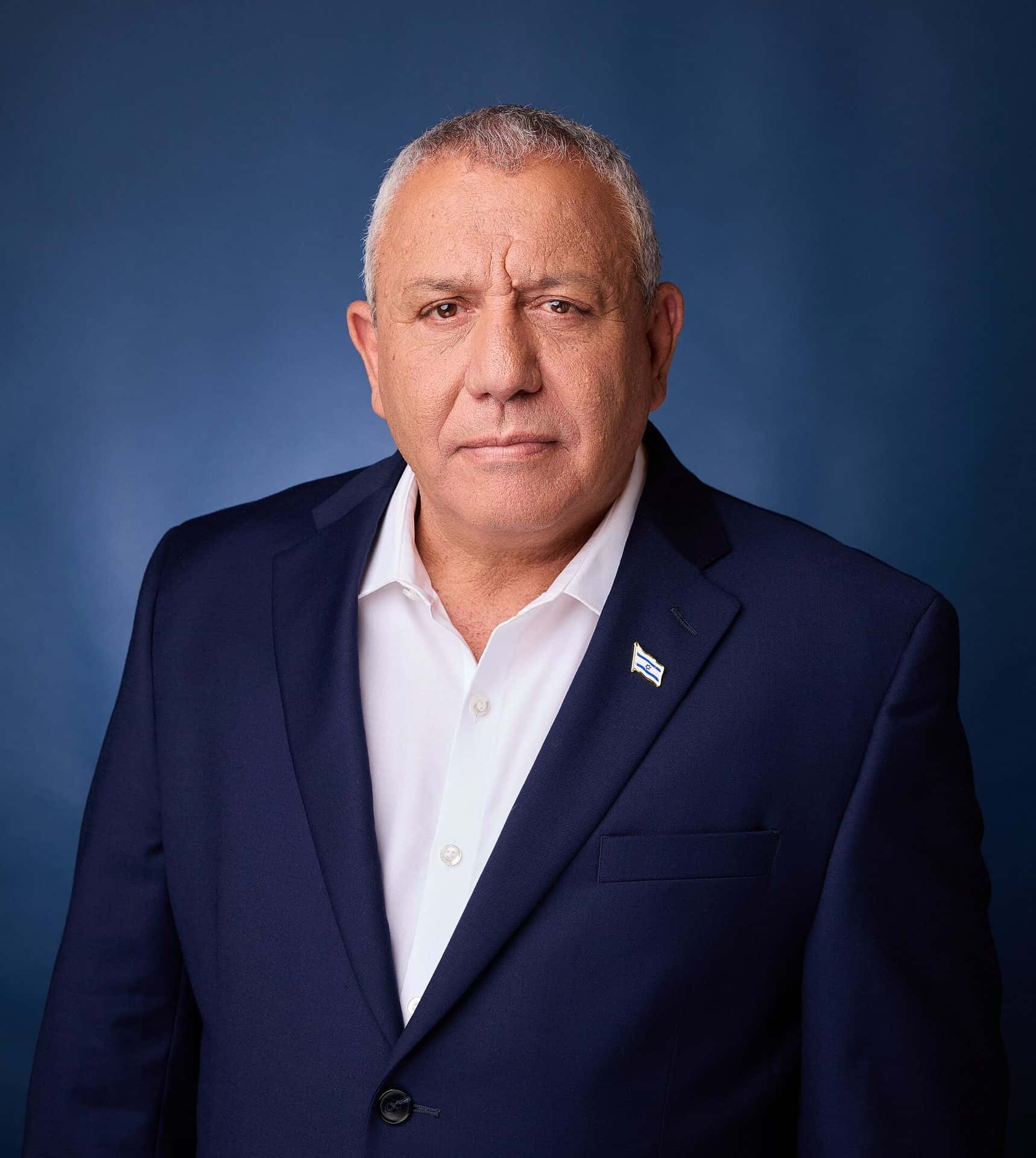
Israeli Prime Minister Netanyahu proposes rotation deal to rival Gadi Eisenkot amid coalition talks
Student-Led Demonstrations Turn Violent in Albania Amid Calls for Prime Minister’s Resignation

India and Denmark Adopt 2027-2031 Action Plan to Deepen Strategic Ties