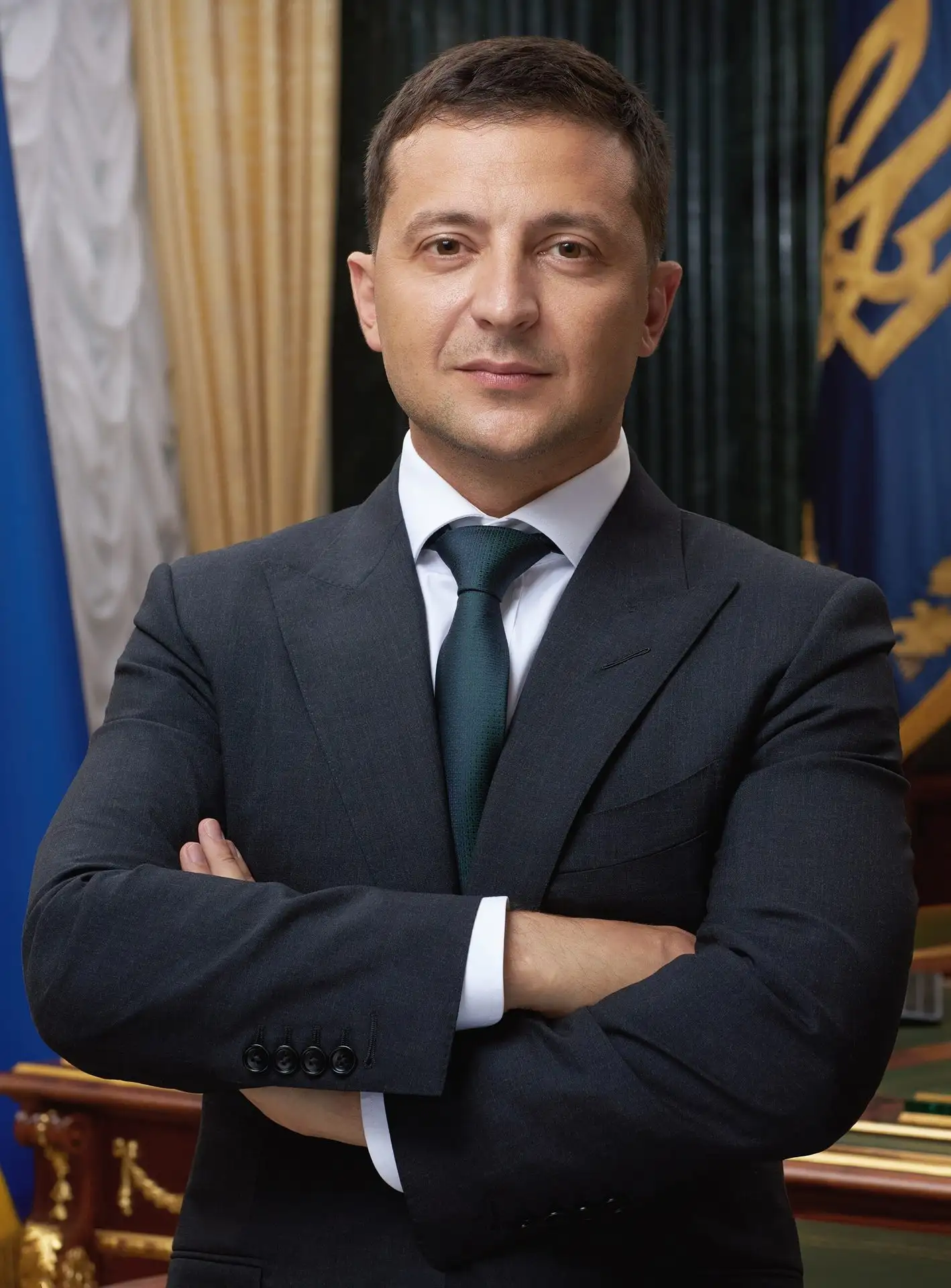
Student-Led Demonstrations Turn Violent in Albania Amid Calls for Prime Minister’s Resignation
Clashes erupted in Tirana as student-led demonstrators threw stones and petrol bombs at riot police, demanding the resignation of Prime Minister Edi Rama.

- Demonstrators threw stones and petrol bombs at riot police in Tirana during Independence Day protests.
- Protesters called for the resignation of Prime Minister Edi Rama amid anger over corruption, job shortages, and poor education.
- The government denied corruption allegations, introduced cheaper fuel and family financial aid, and called for dialogue.
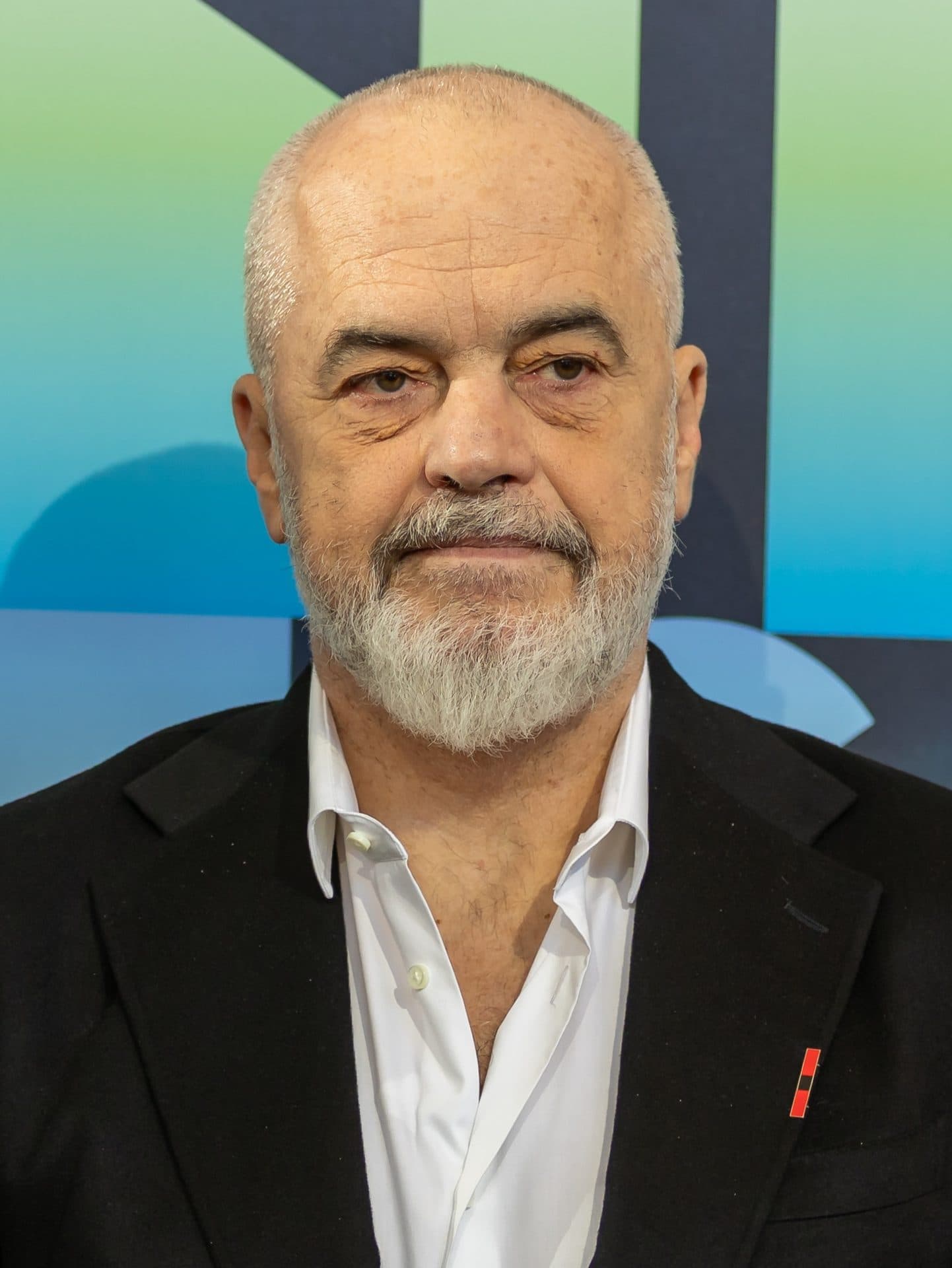
Demonstrations escalated into violent clashes in the capital city of Tirana as crowds gathered on Independence Day to demand the resignation of Prime Minister Edi Rama. Participants hurled stones and petrol bombs at riot police forces, who deployed tear gas, water cannon, and rubber bullets to disperse the crowds. The unrest stems from widespread public frustration regarding systemic corruption, high unemployment rates, and substandard educational conditions that have driven protests across multiple cities since mid-October.
Escalating Unrest and Protester Demands
During the demonstration, masked individuals targeted a government facility with stones and attempted to breach the prime minister's official office before being repelled by law enforcement officers. Engineer Eralda Baze voiced public frustration over poverty and high immigration rates, while other attendees demanded improved healthcare and a better standard of living. Placards displayed at the site featured slogans such as "Albania is not for sale," reflecting broader grievances that follow months of earlier summer demonstrations opposing a coastal development project backed by Jared Kushner, the son-in-law of United States President Donald Trump.
Government Response and Broader Context
Prime Minister Rama's administration has rejected allegations of corruption and invited demonstrators to engage in dialogue regarding their core grievances. In an effort to mitigate public anger, the government implemented policy adjustments offering reduced fuel prices and increased financial support for low-income households. The ongoing wave of civil unrest represents a significant political hurdle for Rama, who has held office since 2013 and secured a fourth term the previous year. While analysts note that the nation has historically struggled with corruption scandals and money laundering connected to drug and weapons trafficking, Rama defended his administration's anti-corruption efforts and reaffirmed the country's objective to join the European Union by 2030.
- Protesters clashed with police in Tirana using stones and petrol bombs.
- Demonstrators demanded Edi Rama's resignation over corruption, jobs, and education.
- The government denied corruption and offered financial measures and dialogue to quell protests.
- Demonstrations escalated into violent clashes in the capital city of Tirana as crowds gathered on Independence Day to demand the resignation of Prime Minister Edi Rama.
Spotted an error? · Our editorial policy
UP NEXTUK Department for Work and Pensions Investigates Cyberattack on Online SystemsSwipe more stories · World PoliticsQuick cards, a few lines each. Tap to open.More from World Politics
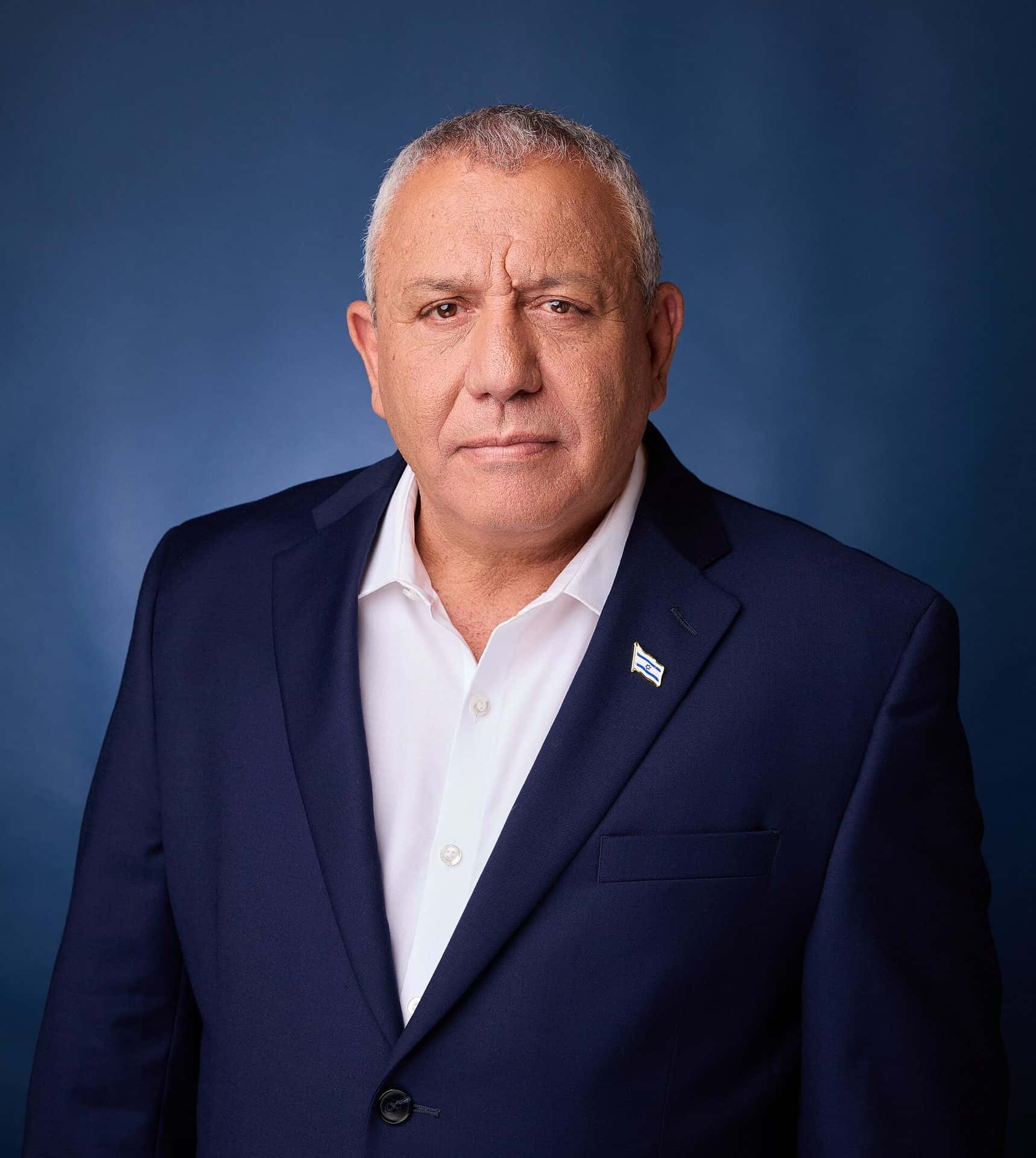
Israeli Prime Minister Netanyahu proposes rotation deal to rival Gadi Eisenkot amid coalition talks
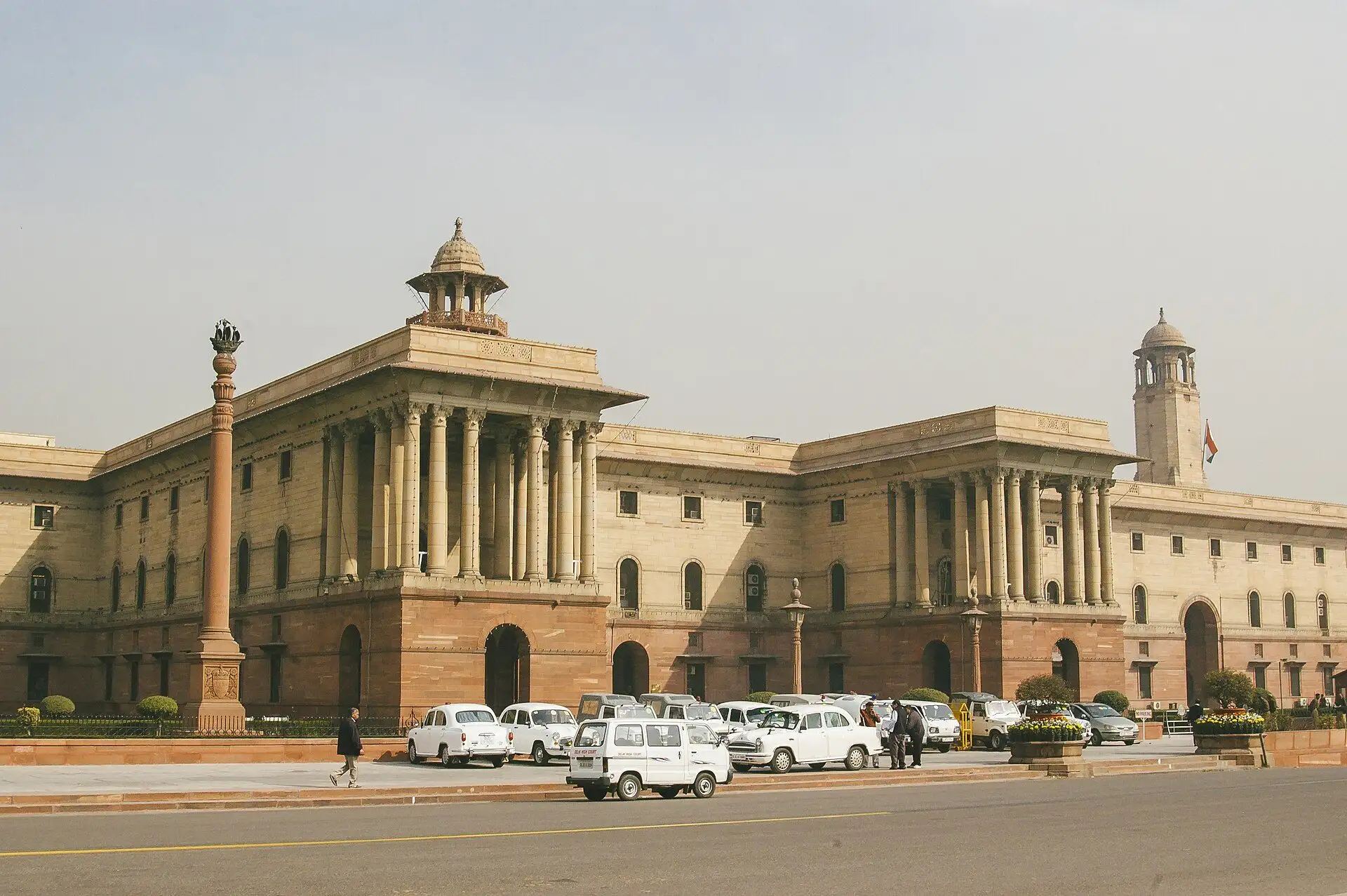
India and Denmark Adopt 2027-2031 Action Plan to Deepen Strategic Ties
Israeli Caretaker Premier Netanyahu Proposes Rotation Deal to Gadi Eisenkot