Israeli Judges Urge Dropping Key Bribery Charge Against Netanyahu, Question Second Case
A three-judge panel at the Jerusalem District Court told prosecutors the main bribery case against Prime Minister Benjamin Netanyahu has a low conviction likelihood and expressed serious doubt about a second fraud charge, while allowing a third gifts case to proceed.

- Judges urged dropping Case 4000 bribery charge citing low conviction likelihood
- Case 2000 fraud charge questioned over whether conduct meets criminal threshold
- Case 1000 gifts case allowed to proceed toward conclusion
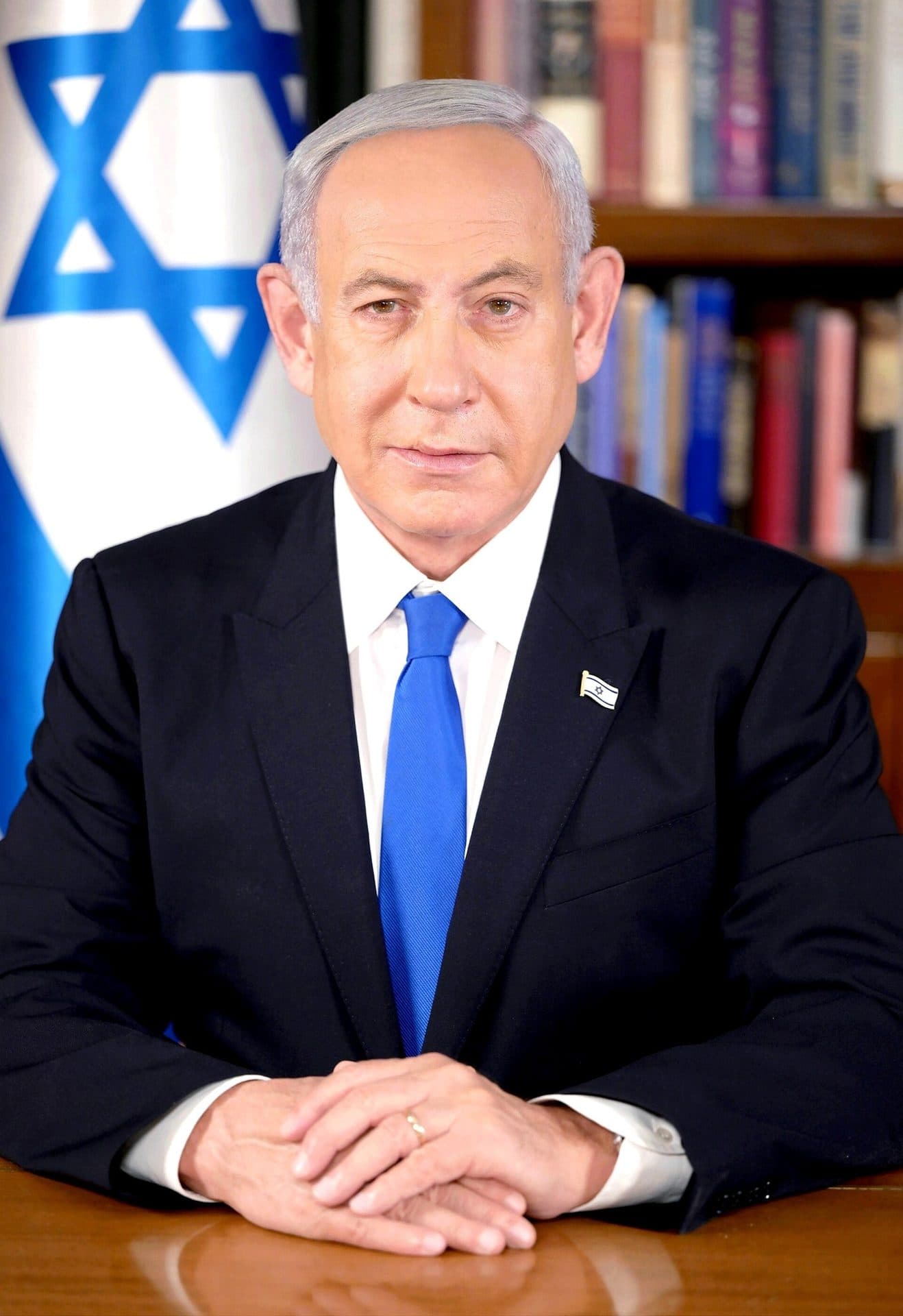
A three-judge panel at the Jerusalem District Court on Wednesday summoned Attorney General Gali Baharav-Miara and delivered a striking assessment of the corruption trial against Prime Minister Benjamin Netanyahu, urging prosecutors to consider shelving the central bribery indictment and voicing deep skepticism about a second charge.
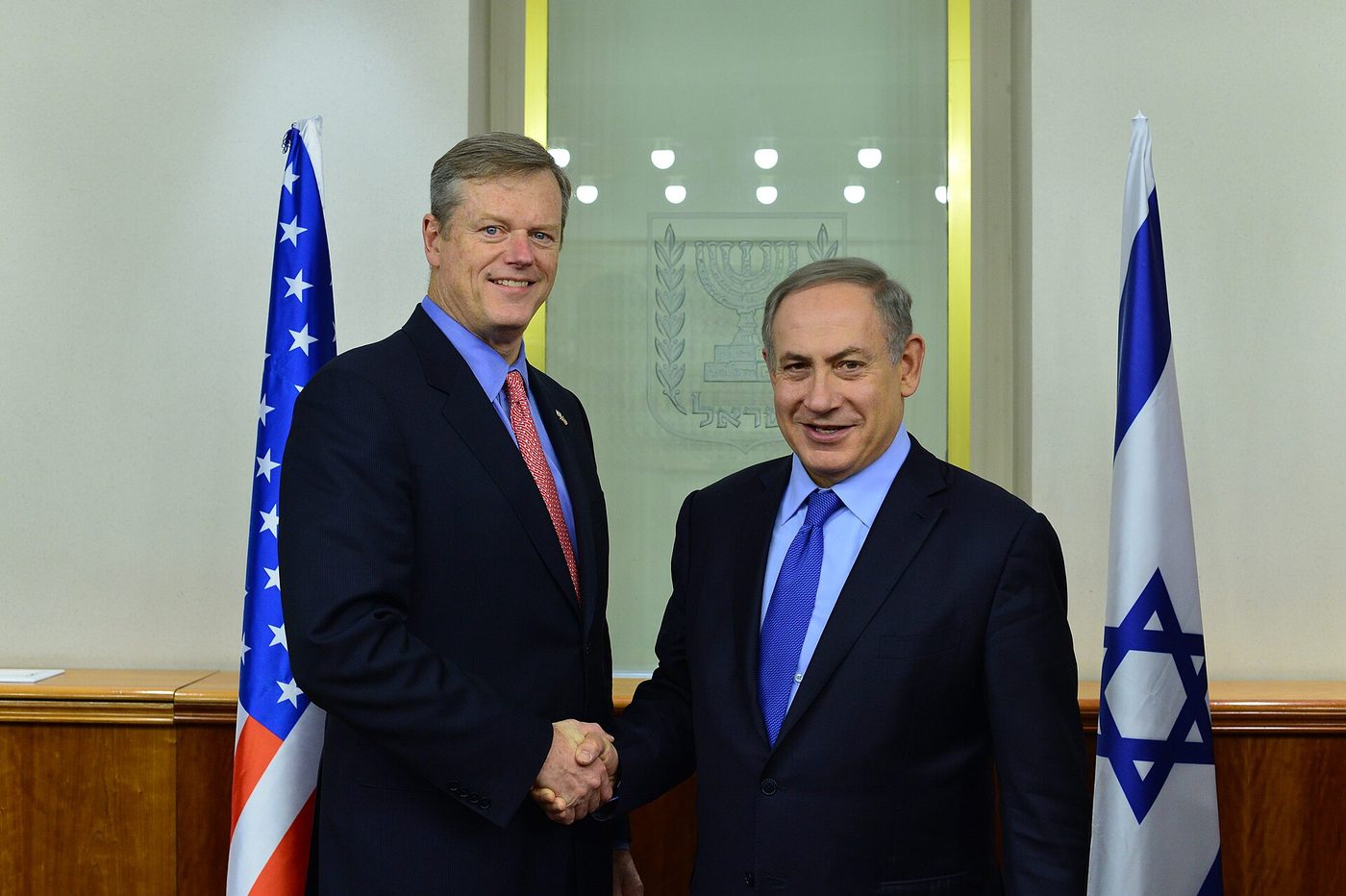
Assessment of the three cases
The judges said Case 4000, which alleges Netanyahu granted regulatory favors to telecommunications magnate Shaul Elovitch in exchange for favorable coverage on the Walla news site, suffers from unreliable witness testimony and a low likelihood of conviction. They recommended the prosecution weigh dropping the bribery count entirely. In Case 2000, involving an alleged backroom arrangement with newspaper publisher Arnon Mozes for positive coverage in return for measures against a rival paper, the panel expressed "serious doubt" that the evidence establishes a criminal offense and proposed hearing further arguments from both sides. Only Case 1000, accusing Netanyahu of fraud and breach of trust for accepting roughly $300,000 in cigars, champagne and other gifts from Hollywood producer Arnon Milchan and Australian billionaire James Packer between 2007 and 2016, was deemed fit to proceed to a conclusion. Prosecutors allege Netanyahu used his position to help Milchan extend a tax exemption and renew a U.S. visa.
Attorney General's response
Baharav-Miara, who has frequently clashed with Netanyahu's religious-rightist coalition, told the court she and her team would carefully consider the judges' observations. She stated the trial should end in verdicts or plea bargains appropriate to the charges filed, leaving open the procedural path forward. The judges emphasized their remarks reflect an interim evaluation of the evidence, not a final verdict.
Netanyahu's reaction
Netanyahu, who has denied all wrongdoing and labeled the prosecution a political witch hunt, declared in a televised statement that "the trial has fallen." He described the judges' comments as "a ray of truth and justice" after what he said was a decade of investigations, and spoke of the "terrible suffering" endured by him and his family. He completed his testimony in June after years of delays, including those caused by the war in Gaza.
Political stakes
The development arrives at a pivotal moment. Last month's October 27 election produced no clear parliamentary majority. Netanyahu's Likud-led bloc won the most seats but fell short of a governing coalition, leaving him in a caretaker capacity. President Isaac Herzog tasked former military chief and centrist leader Gadi Eisenkot with the first attempt at forming a government. Mainstream parties have long refused to sit in a Netanyahu-led cabinet while he faces criminal charges, a dynamic that has fueled years of political instability. Defense Minister Israel Katz, a senior Likud figure, argued the court's intervention warrants dismissing all charges, echoing coalition allies who say the case has exacted a heavy national price.
Next steps
No final decision has been made on whether any case will be dropped or proceed to judgment. The prosecution must now weigh the panel's recommendations, and the court left open the possibility of a plea bargain. Should Eisenkot fail to assemble a coalition, the mandate would return to Netanyahu, who says he seeks a national-unity government under his leadership. The trial, rooted in indictments filed in 2019, remains a defining fault line in Israeli politics.
- Judges' intervention marks a major setback for the prosecution's flagship bribery case
- Netanyahu gains political ammunition but legal proceedings remain unresolved
- Coalition-building efforts by rival Eisenkot proceed amid legal uncertainty
- A three-judge panel at the Jerusalem District Court on Wednesday summoned Attorney General Gali Baharav-Miara and delivered a striking assessment of the corruption trial against Prime Minister Benjamin Netanyahu, urging prosecutors to consider shelving the central bribery indictment and voicing deep skepticism about a second charge.
Spotted an error? · Our editorial policy
UP NEXTMajor Black Friday and Thanksgiving Retail Sales Bring Deep Discounts on Tech HardwareOther angles · #Benjamin Netanyahu
Timeline →- NewsIsrael Threatens Southern Evacuation of One Million Gazans Amid Ongoing Military Operations
- NewsIsraeli Judges Advise Dropping Bribery Case Against Prime Minister Benjamin Netanyahu
- NewsUS Ambassador to Israel Casts Doubt on Trump’s Pledge to Halt Military Aid
- NewsTrump Delays Decisions on Iran Strikes Until the New Year Amid Israeli Pressure
More from World Politics

Bangladesh Speaker Suggests Potential ICJ Action for Sheikh Hasina’s Extradition
Canadian Supreme Court Upholds Quebec’s Public Sector Religious Symbols Ban
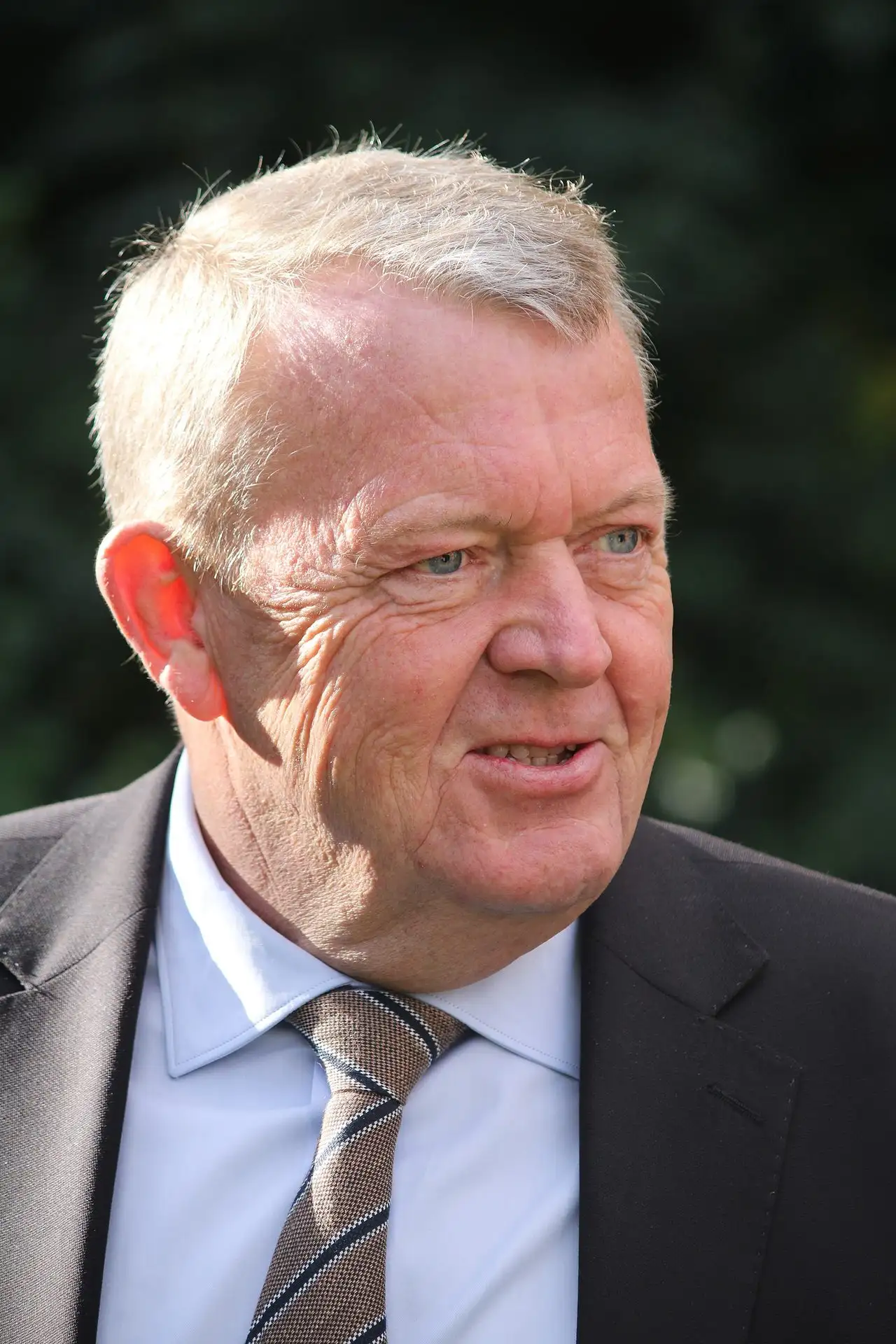
Danish Foreign Minister Visits Bengaluru to Expand Tech and Defense Ties with India