Israeli Prime Minister Netanyahu proposes rotation deal to rival Gadi Eisenkot amid coalition talks
Caretaker Prime Minister Benjamin Netanyahu has offered a rotating premiership to political rival Gadi Eisenkot as the former military chief works to assemble a governing coalition.

- Benjamin Netanyahu proposed a rotating premiership to Gadi Eisenkot on Saturday.
- Eisenkot was previously tasked by Israel's president to form a government following the October 27 election.
- Eisenkot has secured agreements with the Democrats and Israel Beiteinu, totaling 36 lawmakers.
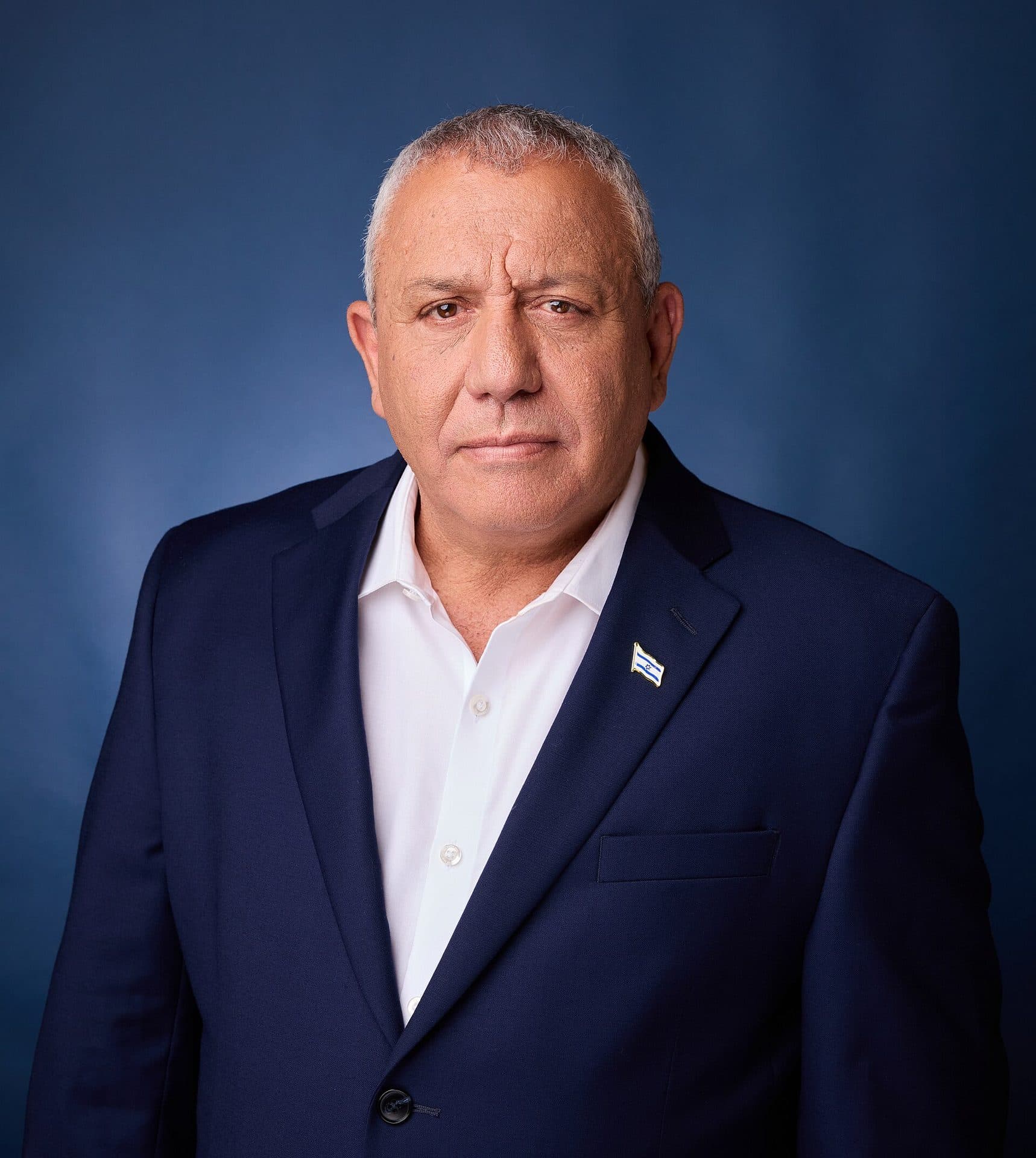
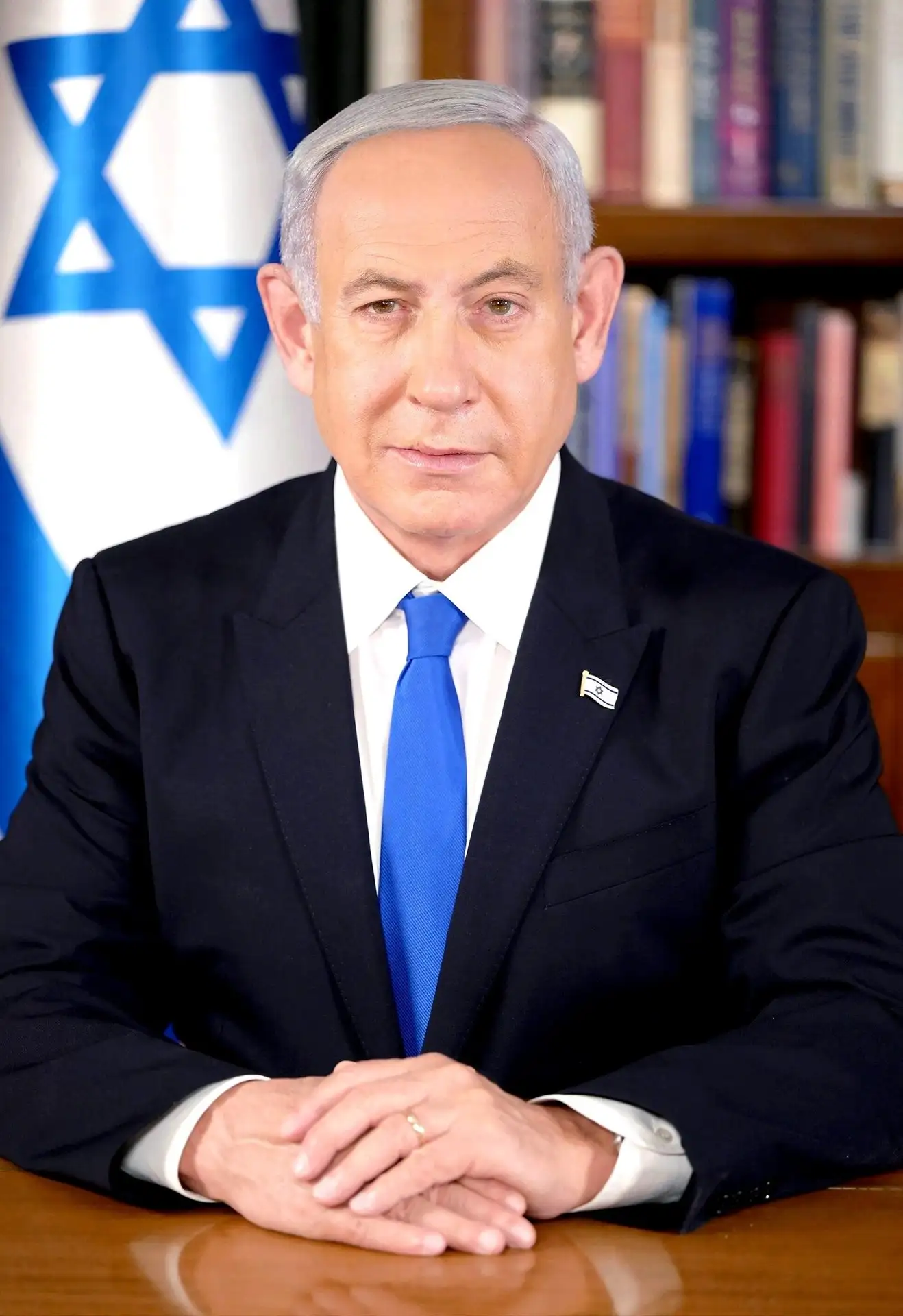
Israeli caretaker Prime Minister Benjamin Netanyahu proposed a leadership rotation agreement on Saturday to his primary political rival, former military chief Gadi Eisenkot. Under the terms of the proposal shared via social media, Netanyahu offered to step aside initially to allow Eisenkot to serve first as prime minister, with Netanyahu taking the role of alternate prime minister at the start of the term.
Coalition Negotiations and Political Realignment
The offer emerges as Eisenkot gathers crucial backing from potential allies following an inconclusive election on October 27, which left both leaders without an immediate path to a parliamentary majority. Eisenkot was tasked by the Israeli president with forming a government and has stated he intends to announce the new administration by the official deadline of December 6 without requesting a 14-day extension. During the week, Eisenkot secured preliminary coalition agreements with two political factions, including the left-leaning Democrats and the right-wing Israel Beiteinu party, representing his Yashar party.
Parliamentary Numbers and Potential Support
Despite these agreements, the Yashar party and its current partners hold a combined total of 36 lawmakers, falling well short of the 61 seats required to secure a majority in the 120-seat Israeli parliament. Additional parliamentary maneuvering includes expectations that Mansour Abbas, leader of the Arab-Israeli party Raam, might recognize Hamas as a terrorist organization, a step that could clear the path for Raam to join an Eisenkot-led administration. However, certain political allies within Eisenkot's coalition have expressed reservations regarding reliance on Arab-majority party support.
Netanyahu's Stated Rationale
Netanyahu explained in his public statement that while he maintains that he is best suited to lead the government, existential security threats and the risk of a weak administration required him to set aside personal considerations. A spokesperson for Eisenkot's Yashar party did not immediately issue a response regarding the unity proposal, which arrives as Israel's longest-serving prime minister faces a substantial threat to his continued tenure in power.
- Netanyahu offered to serve as alternate prime minister while Eisenkot takes the first turn in a rotation.
- Eisenkot's Yashar party has signed deals with the Democrats and Israel Beiteinu, bringing their total to 36 lawmakers.
- Eisenkot faces a December 6 deadline to announce a new government without seeking a 14-day extension.
- Israeli caretaker Prime Minister Benjamin Netanyahu proposed a leadership rotation agreement on Saturday to his primary political rival, former military chief Gadi Eisenkot.
Spotted an error? · Our editorial policy
UP NEXTUK Department for Work and Pensions Investigates Cyberattack on Online SystemsOther angles · #Benjamin Netanyahu
Timeline →- NewsIsraeli Caretaker Premier Netanyahu Proposes Rotation Deal to Gadi Eisenkot
- NewsIsrael Threatens Southern Evacuation of One Million Gazans Amid Ongoing Military Operations
- NewsIsraeli Judges Urge Dropping Key Bribery Charge Against Netanyahu, Question Second Case
- NewsIsraeli Judges Advise Dropping Bribery Case Against Prime Minister Benjamin Netanyahu
More from World Politics

Student-Led Demonstrations Turn Violent in Albania Amid Calls for Prime Minister’s Resignation

India and Denmark Adopt 2027-2031 Action Plan to Deepen Strategic Ties
Israeli Caretaker Premier Netanyahu Proposes Rotation Deal to Gadi Eisenkot