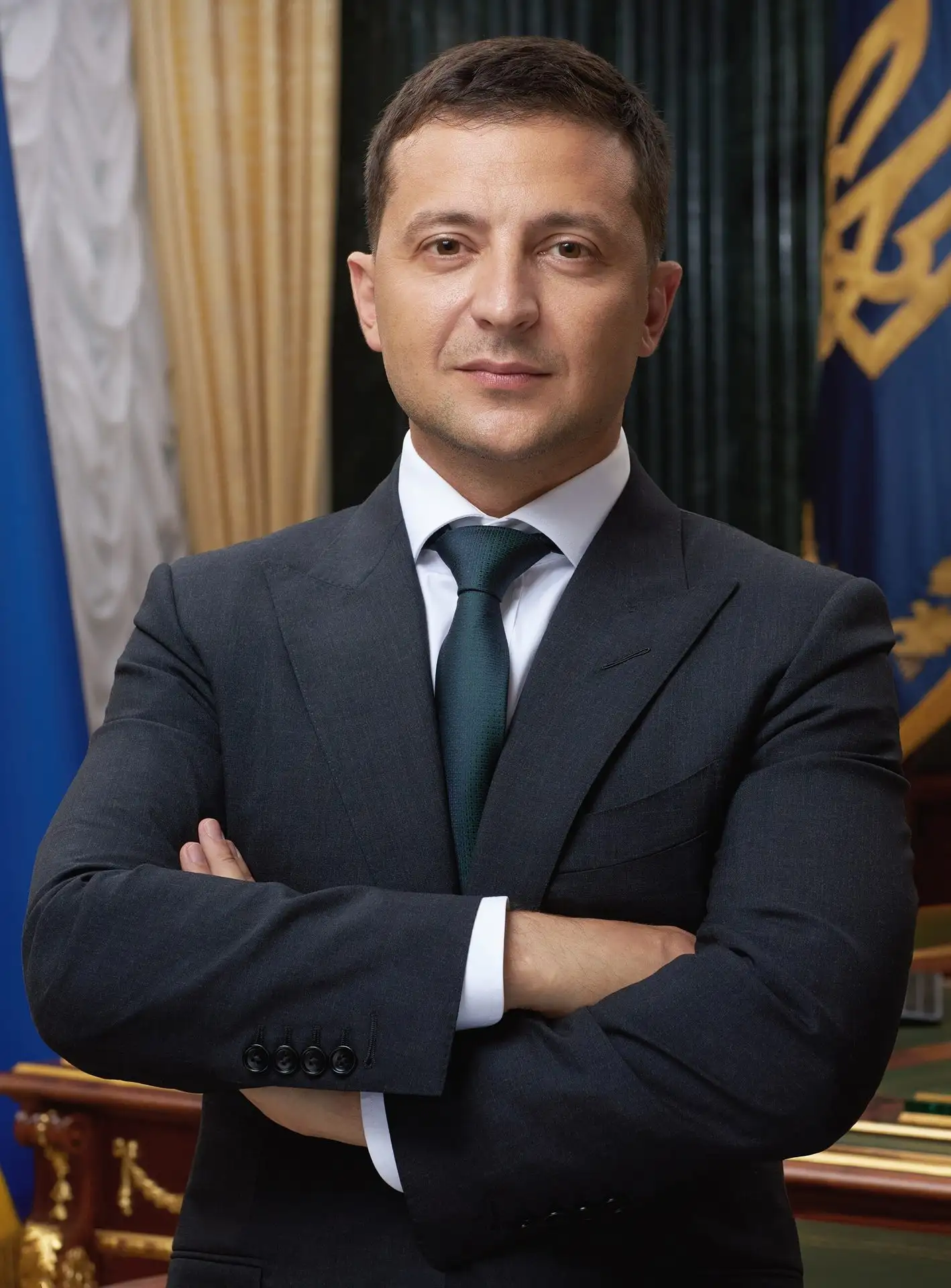
Israeli Caretaker Premier Netanyahu Proposes Rotation Deal to Gadi Eisenkot
Israeli caretaker Prime Minister Benjamin Netanyahu proposed a rotating unity government with rival Gadi Eisenkot, offering to let Eisenkot serve as prime minister first.

- Benjamin Netanyahu proposed a rotating unity government with Gadi Eisenkot taking the top post first.
- Eisenkot previously stated he would announce a new government by December 6 without an extension.
- Opposition figures like Yair Lapid and Yair Golan dismissed the offer as a political maneuver.
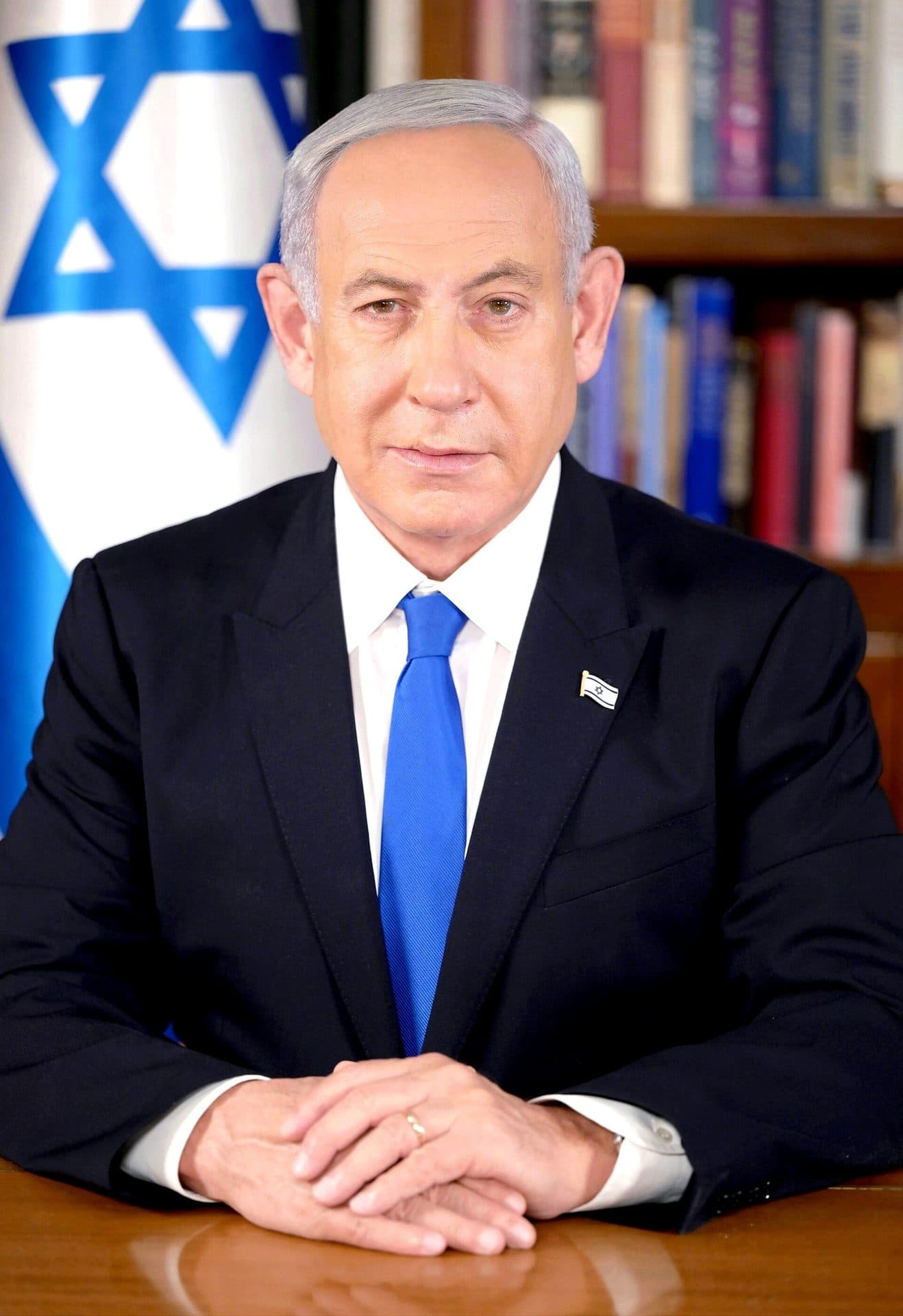
Israeli caretaker Prime Minister Benjamin Netanyahu proposed a national unity government via a social media statement on Saturday, offering a rotation arrangement in which rival Gadi Eisenkot would serve as prime minister first. Netanyahu stated that leadership responsibilities compelled him to set aside standard principles, including the norm that the largest party should lead, and agreed to act as alternate prime minister at the beginning of the term. He urged Eisenkot and his allies to immediately enter genuine and accelerated negotiations to establish the coalition.
Reactions and Coalition Arithmetic
The proposal followed Eisenkot's previous vow to announce the formation of Israel's next government by the official December 6 deadline without requesting a 14-day extension. Eisenkot previously accused Netanyahu's right-wing Likud party of stalling coalition talks for two weeks and failing to table concrete proposals to force fresh elections. While Eisenkot's centrist Yashar party has secured deals with the left-leaning Democrats and the right-wing Israel Beiteinu party, their combined total stands at 36 lawmakers, falling well short of the 61 seats needed for a majority in the 120-seat Knesset.
Political Opposition and Trial Developments
Opposition leaders immediately dismissed Netanyahu's offer, with Yair Lapid describing the proposal as a transparent deception by a serial fraudster who routinely violates agreements. Democratic leader Yair Golan similarly rejected the gesture as political maneuvering, while Youssef Jabareen of the Arab-majority Joint List asserted that the current government must be removed. Alongside his political outreach, Netanyahu referenced ongoing legal proceedings, pointing to statements from Judge Rivka Friedman-Feldman indicating a low probability of conviction in Cases 4000 and 2000, alongside potential movement toward concluding Case 1000.
Legislative Tensions and Security Concerns
Netanyahu also criticized recent events in the Knesset, pointing to a parliamentary defeat on a bill intended to block the return of terrorists' bodies following demands by Ra'am and the Joint List. He warned against relying on Arab-majority parties and alleged that political opponents planned to advance policies threatening national security, including family reunification provisions and territorial withdrawals. Meanwhile, media reports indicated that Raam leader Mansour Abbas was expected to recognize Hamas as a terrorist organization, a step that could potentially enable his party's participation in an Eisenkot-led administration.
- Netanyahu offered to serve as alternate prime minister while letting Eisenkot lead a unity government first.
- Eisenkot's bloc holds 36 seats, remaining short of the 61-seat majority required in the Knesset.
- Opposition politicians rejected the offer, calling it a transparent con.
Spotted an error? · Our editorial policy
UP NEXTUK Department for Work and Pensions Investigates Cyberattack on Online SystemsOther angles · #Benjamin Netanyahu
Timeline →- NewsIsraeli Prime Minister Netanyahu proposes rotation deal to rival Gadi Eisenkot amid coalition talks
- NewsIsrael Threatens Southern Evacuation of One Million Gazans Amid Ongoing Military Operations
- NewsIsraeli Judges Urge Dropping Key Bribery Charge Against Netanyahu, Question Second Case
- NewsIsraeli Judges Advise Dropping Bribery Case Against Prime Minister Benjamin Netanyahu
More from World Politics
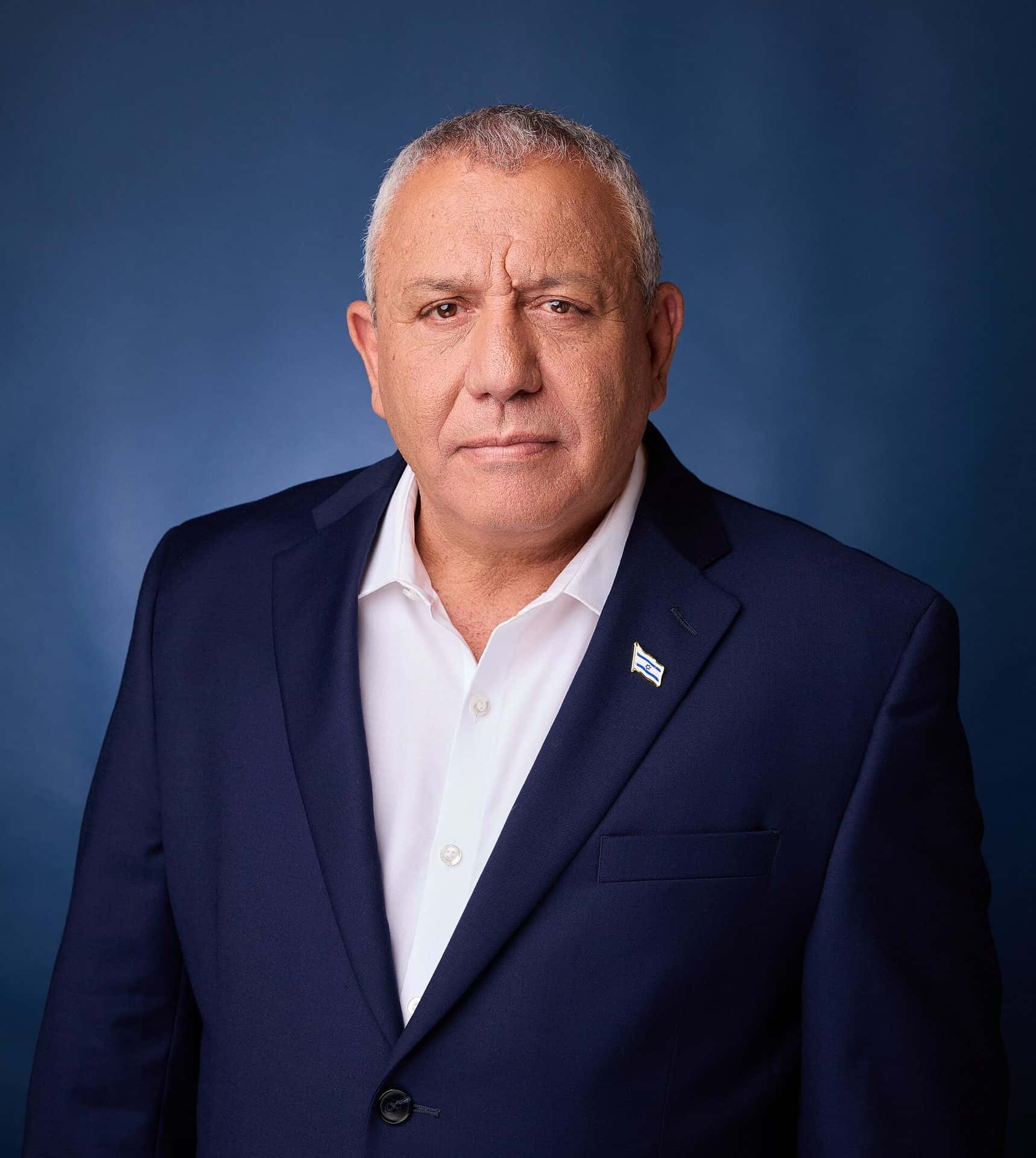
Israeli Prime Minister Netanyahu proposes rotation deal to rival Gadi Eisenkot amid coalition talks
Student-Led Demonstrations Turn Violent in Albania Amid Calls for Prime Minister’s Resignation
India and Denmark Adopt 2027-2031 Action Plan to Deepen Strategic Ties