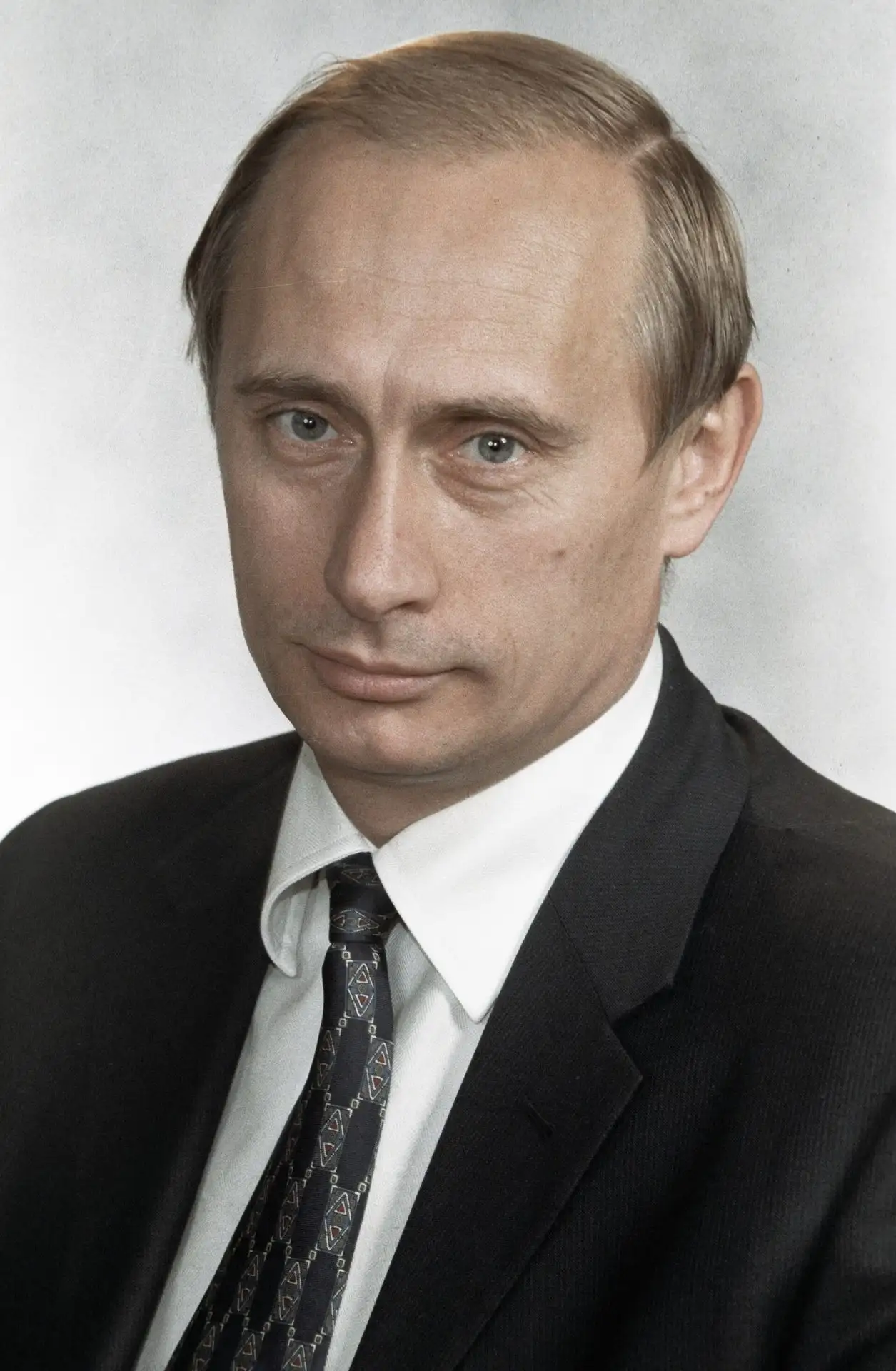
Gadi Eisenkot Resumes Coalition Negotiations Following Dispute with Left-Wing Faction
Former Israeli military chief Gadi Eisenkot has restarted talks with the Democrats party as he continues efforts to form a governing coalition before the December deadline.

- Gadi Eisenkot has resumed talks with the Democrats faction after a brief suspension.
- The parliamentary path to a majority remains difficult for Eisenkot following the October 27 election.
- Discussions involve balancing a potential minority government with ultra-Orthodox parties while addressing military draft requirements.
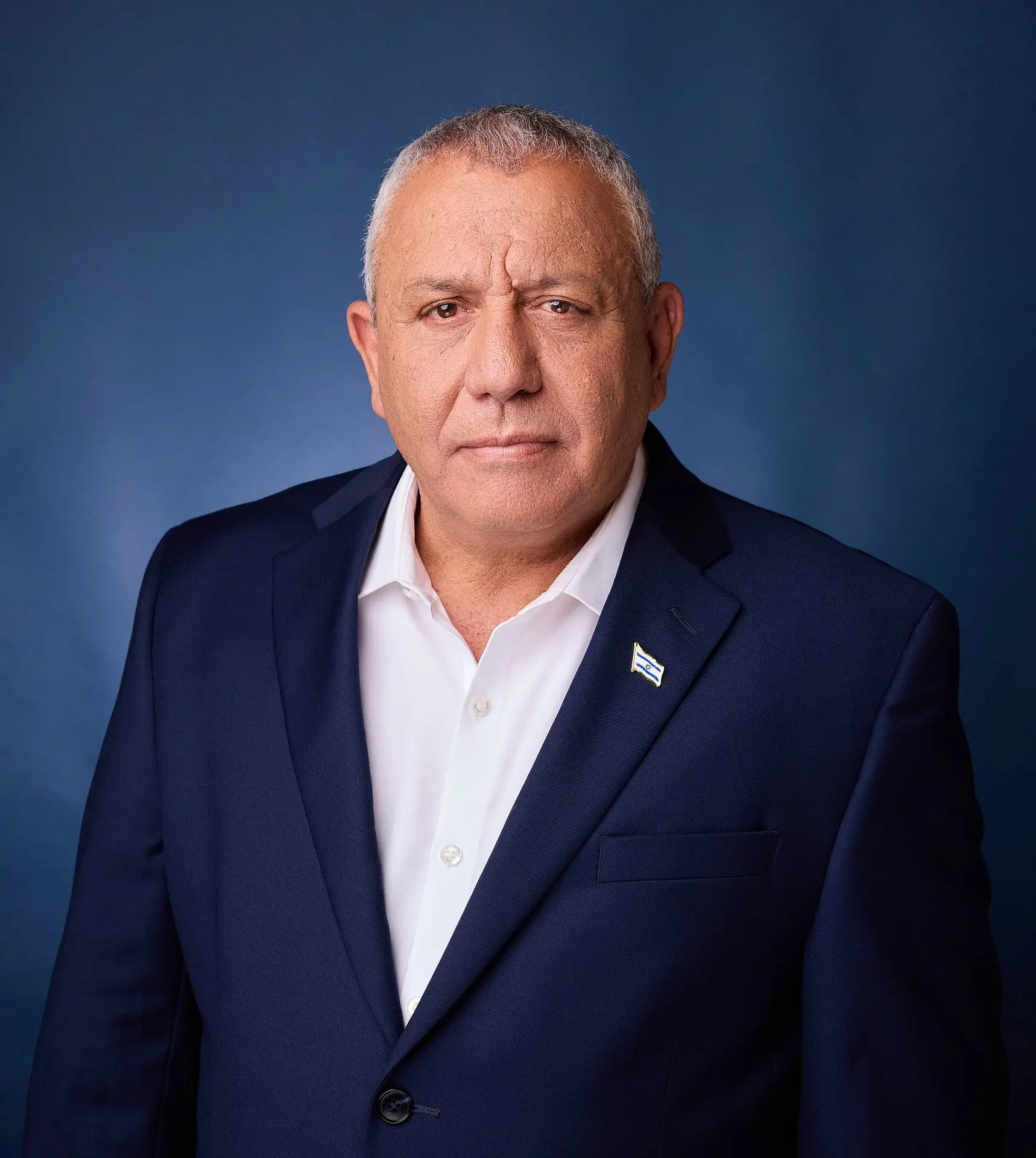
Former military leader Gadi Eisenkot announced on Thursday that he has resolved an internal disagreement with the left-wing Democrats faction, allowing coalition negotiations to resume. The Democrats had previously paused discussions with Eisenkot’s centre-right Yashar party, expressing concern over reports that Eisenkot was exploring a potential unity arrangement with Prime Minister Benjamin Netanyahu’s Likud party. Eisenkot confirmed that intensive deliberations are now underway to finalize a formal coalition agreement.
Struggling to Secure a Parliamentary Majority
The ongoing political maneuvering follows an inconclusive national election held on October 27, which failed to grant a decisive majority to any political bloc in the 120-seat parliament. Eisenkot, who was officially tasked by the president with forming a government, currently has until December 6 to secure a coalition, though he may request a 14-day extension if necessary. His initial bloc, which includes the Democrats, holds 48 seats, while Netanyahu’s alliance of right-wing and ultra-Orthodox parties controls 53 seats, leaving both sides short of the 61-seat threshold required for a stable government.

Potential Alliances and Policy Obstacles
In a recent effort to expand his coalition, Eisenkot announced an agreement with Avigdor Lieberman, the leader of the Israel Our Home party. Although Lieberman has historically opposed Israel’s ultra-Orthodox parties, he signaled a potential shift in strategy during an interview with the Kan public broadcaster. Lieberman suggested that he would support a government that includes the ultra-Orthodox United Torah Judaism party, provided it maintains a clear Jewish majority. Such a configuration could potentially form a 55-seat minority government if backed externally by the eight-seat United Arab List.
Despite this potential path, the formation of such a government remains fraught with policy challenges. A central point of contention is the military conscription of ultra-Orthodox seminary students. Eisenkot and his political partners campaigned on a platform of ending exemptions for ultra-Orthodox citizens to balance the national military service burden. However, ultra-Orthodox leaders remain firmly opposed to these reforms, meaning any successful coalition deal would require a delicate compromise on draft laws that the party continues to reject.
- Negotiations with the Democrats faction have restarted following a dispute over potential unity talks with the Likud party.
- Eisenkot has until December 6 to form a government, with an option for a two-week extension.
- A possible minority government would require compromise on sensitive military draft issues involving ultra-Orthodox seminary students.
Spotted an error? · Our editorial policy
UP NEXTMajor Black Friday and Thanksgiving Retail Sales Bring Deep Discounts on Tech HardwareSwipe more stories · World PoliticsQuick cards, a few lines each. Tap to open.More from World Politics
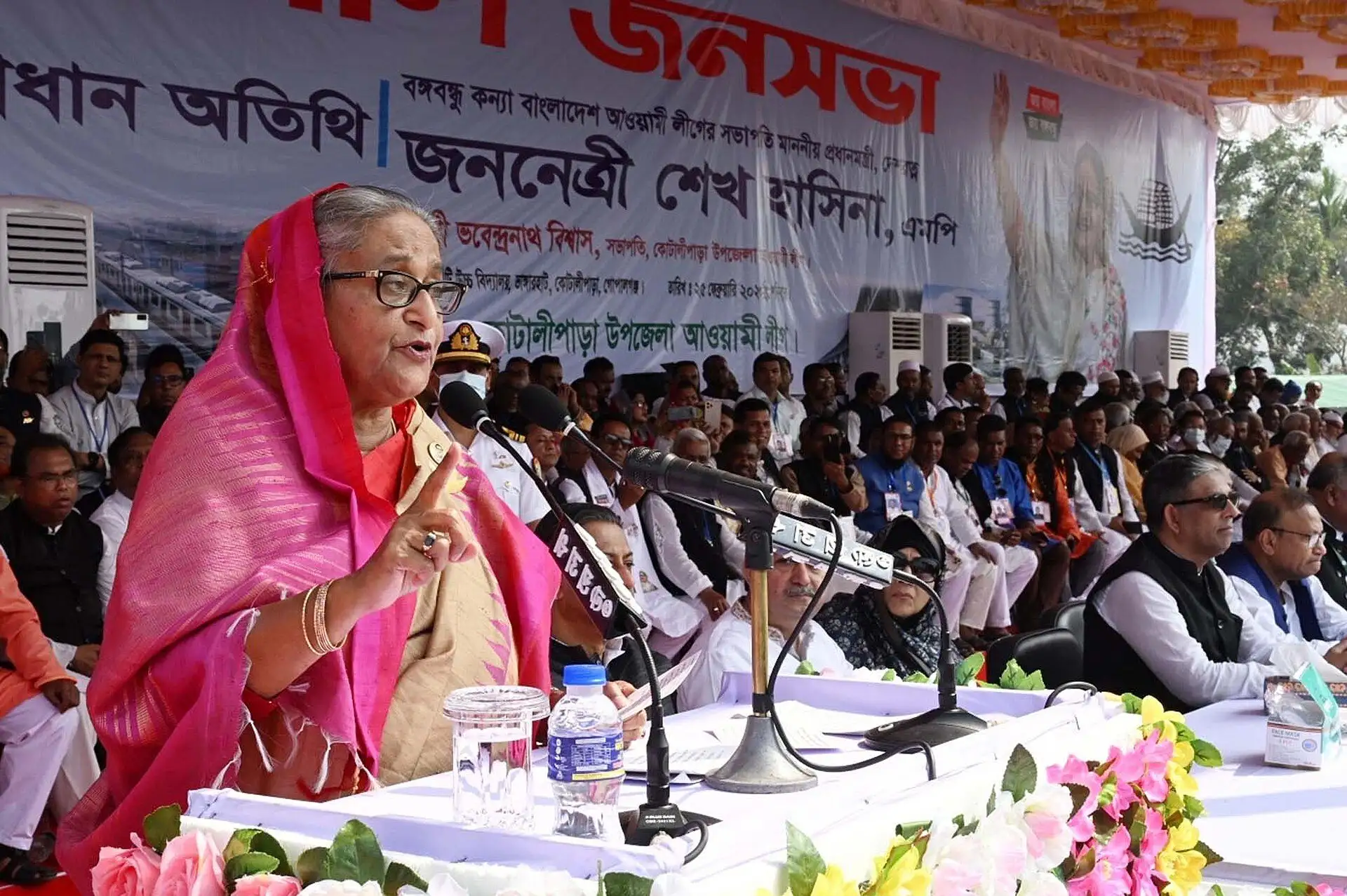
Bangladesh Speaker Suggests Potential ICJ Action for Sheikh Hasina’s Extradition
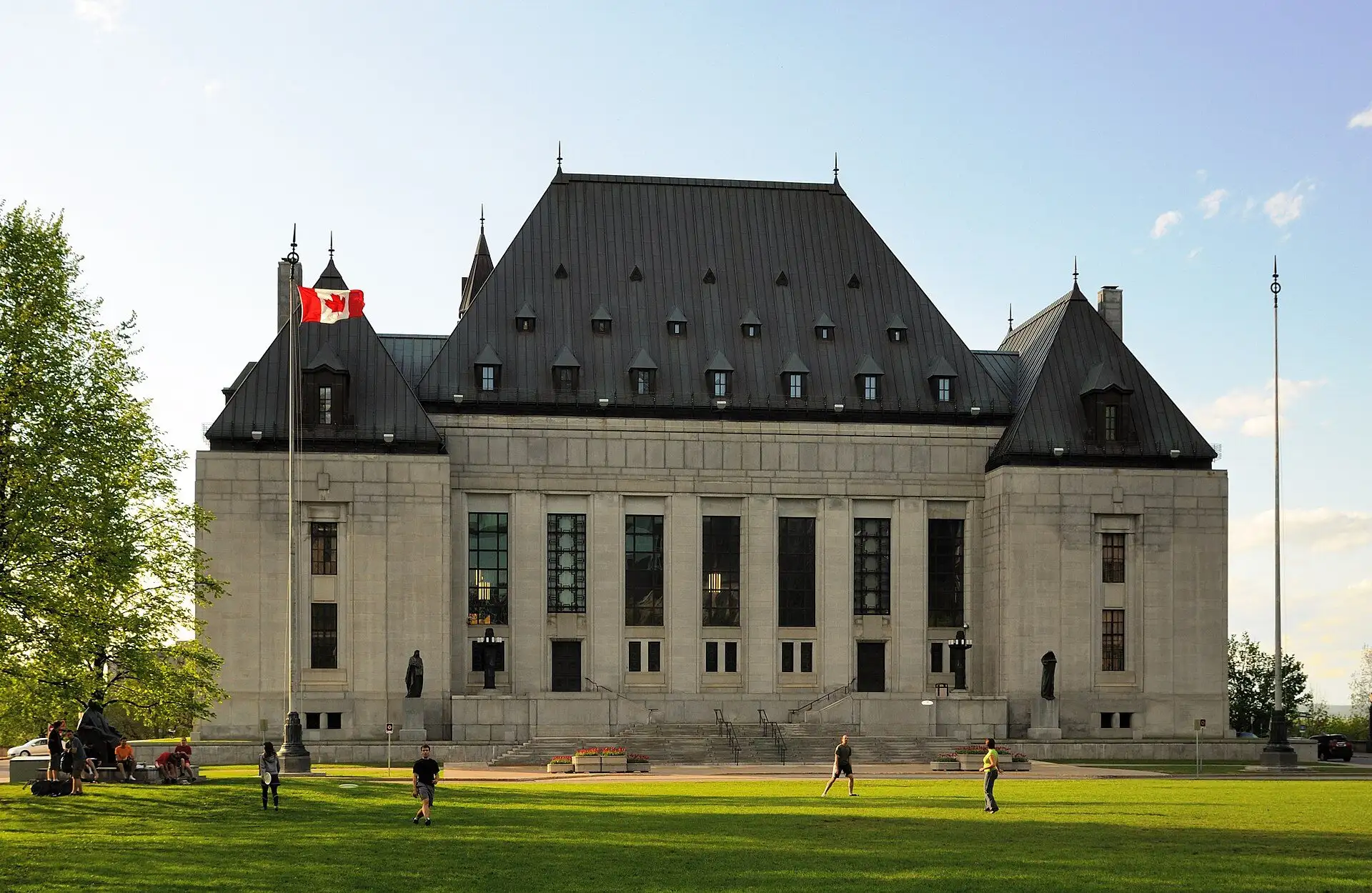
Canadian Supreme Court Upholds Quebec’s Public Sector Religious Symbols Ban
Danish Foreign Minister Visits Bengaluru to Expand Tech and Defense Ties with India