Former Philippine President Rodrigo Duterte Faces ICC Trial Over Drug War Killings
The International Criminal Court has begun proceedings against Rodrigo Duterte for alleged crimes against humanity linked to his anti-drug campaign.

- Rodrigo Duterte is on trial at the ICC for alleged crimes against humanity during his anti-drug campaigns.
- The charges involve 84 specific murders and two attempted murders spanning from 2011 to 2019.
- The defense claims Duterte suffers from cognitive impairment, making him unfit to participate in his own defense.
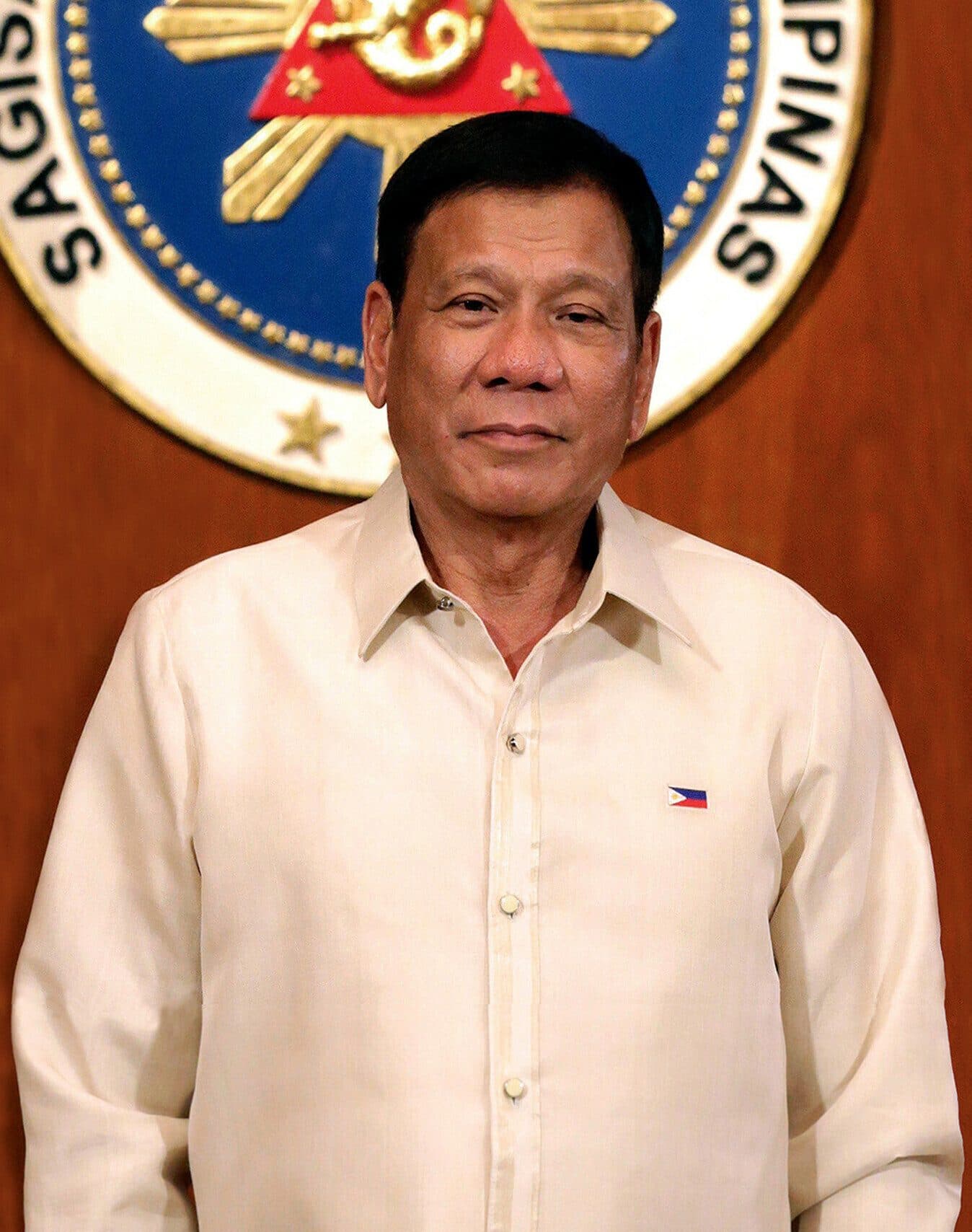
The International Criminal Court (ICC) in The Hague has commenced trial proceedings against former Philippine President Rodrigo Duterte, who faces allegations of overseeing a massive campaign of extrajudicial killings. Prosecutors contend that the widespread anti-drug operations conducted between November 2011 and March 2019 constitute crimes against humanity. This legal milestone serves as a significant test for the 24-year-old tribunal as it attempts to hold a former national leader accountable for actions taken while in office, joining other high-profile cases involving international figures.
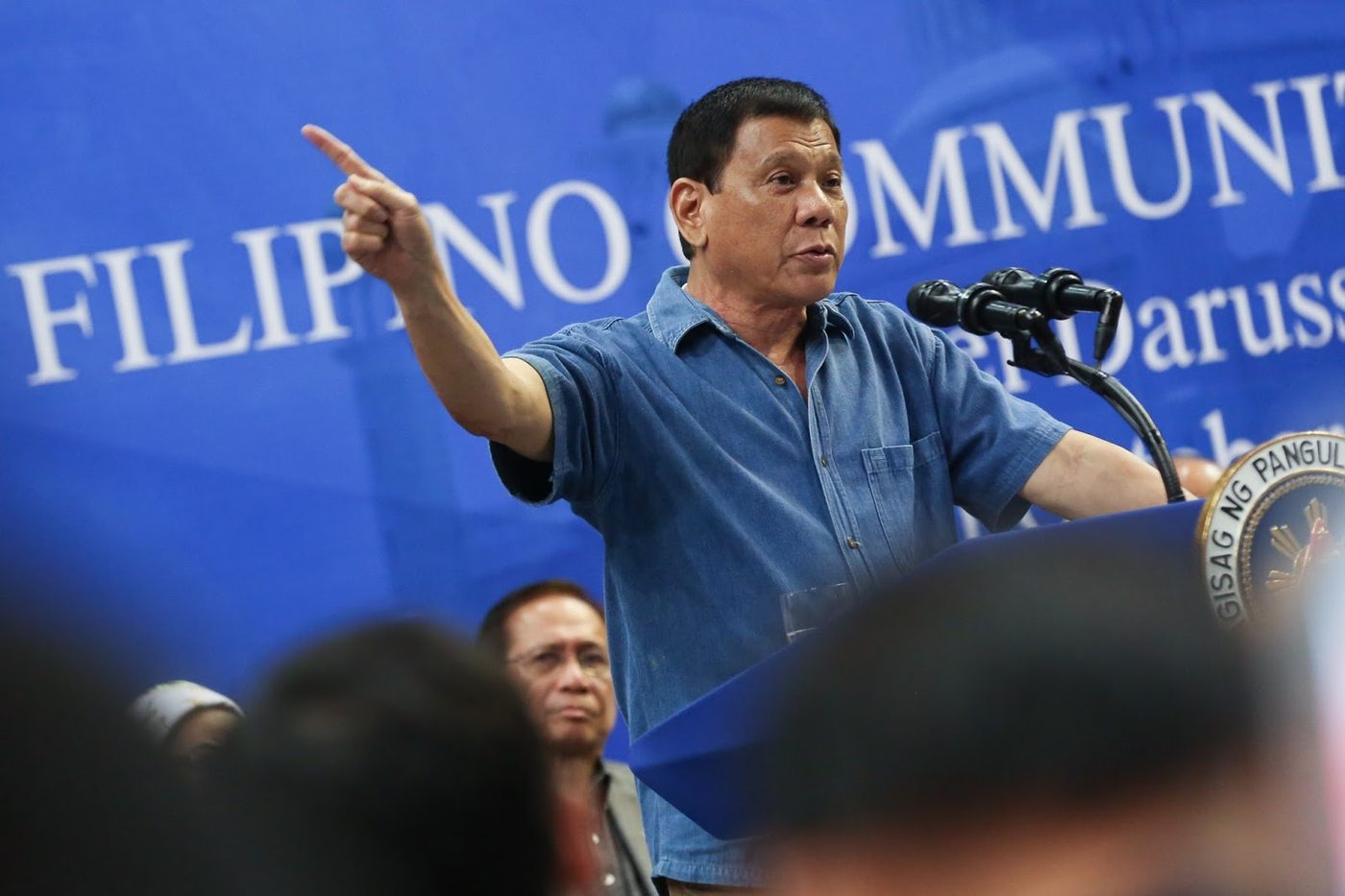
Details of the Charges and Prosecution Case
The indictment against the former president includes three specific categories of alleged crimes. The first charge pertains to his tenure as mayor of Davao City, where prosecutors allege he established and directed the Davao Death Squad to target individuals suspected of drug use or sales. Subsequent charges cover targeted killings during his presidency between 2016 and 2017, as well as murders and attempted murders occurring during police "clearance operations" from 2016 through 2018. While the formal charges account for 84 murders and two attempted murders, prosecutors note these represent only a fraction of a total death toll that authorities estimate at more than 6,000, while human rights organizations suggest the figure may reach 30,000.
Prosecutors assert that police officers and hired hitmen were financially incentivized to execute victims throughout the campaign. To substantiate these claims, the prosecution intends to present between 70 and 100 witnesses. Many of these individuals are expected to testify under protective measures designed to ensure their safety and anonymity. The proceedings are anticipated to last from several months to over a year, with a potential maximum sentence of life imprisonment should a conviction be reached.
Defense Arguments and Procedural Challenges
Legal counsel representing the 81-year-old former president have filed a 77-page pretrial document rejecting the allegations. They maintain that the events described do not meet the legal threshold for crimes against humanity and argue that even if they did, Duterte bears no individual criminal responsibility. Furthermore, his attorneys have raised significant concerns regarding his health, specifically citing "cognitive impairment." The defense team asserts that his ability to assist in his own defense is essentially absent, noting he struggles to recall both historical events and recent occurrences, despite his physical presence in the courtroom.
Impact on Victims and Global Legal Context
For many families of the victims, the opening of the trial marks a long-awaited moment for potential justice. Relatives of those killed have traveled from the Philippines to observe the proceedings, describing the trial as a crucial step toward healing. Catholic missionary priest Father Flavie Villanueva, who provides support to hundreds of families of victims, noted that the community views the trial as a long-overdue resolution to their struggle. Human Rights Watch has utilized the start of the trial to criticize the administration of current Philippine President Ferdinand Marcos Jr., alleging that efforts to hold domestic authorities accountable for the abuses of the drug war have proven ineffective.
The trial arrives at a time of geopolitical tension for the ICC, which currently faces severe political and economic pressure from the United States. The Trump administration has implemented punitive sanctions against specific court staff and the institution itself, an action described by officials as a dismantling of the court. Despite the Philippines withdrawing from the ICC in 2019—a move triggered by an early investigation into these same allegations—the tribunal retains jurisdiction over all events that occurred prior to the nation's departure from the Rome Statute.
- The ICC trial centers on allegations of state-sponsored killings that took place during Duterte's time as mayor and president.
- Prosecutors argue victims were targeted by police and paid hitmen during operations that resulted in thousands of deaths.
- The court proceedings are moving forward despite intense pressure from the United States and the Philippines' prior withdrawal from the court.
- The International Criminal Court (ICC) in The Hague has commenced trial proceedings against former Philippine President Rodrigo Duterte, who faces allegations of overseeing a massive campaign of extrajudicial killings.
Spotted an error? · Our editorial policy
UP NEXTIndia Selects Prasidh Krishna as Concussion Substitute for Akash Deep Against New ZealandSwipe more stories · World PoliticsQuick cards, a few lines each. Tap to open.More from World Politics
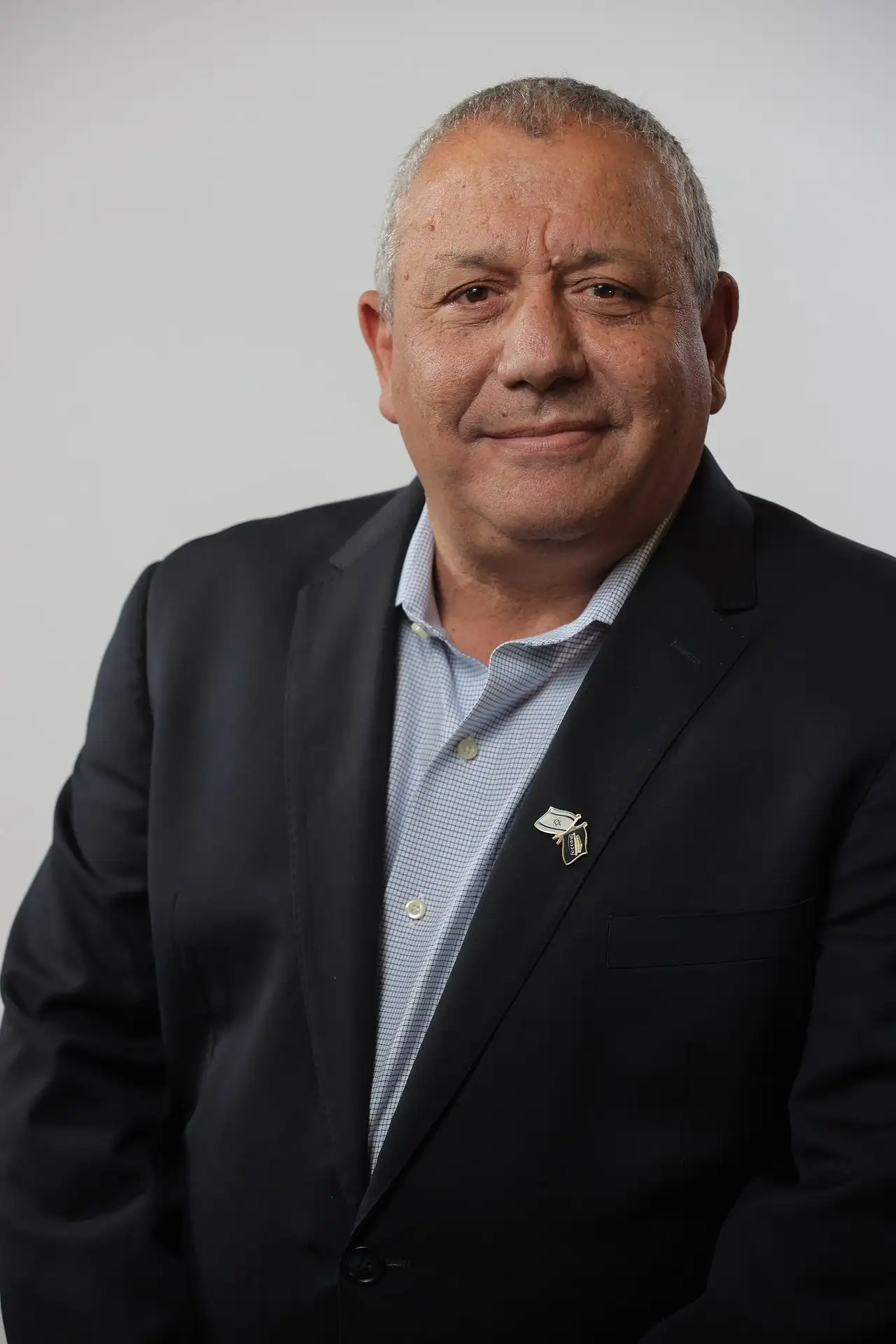
Israel’s Political Deadlock: Eisenkot Sets 24-Hour Deadline for Netanyahu’s Unity Talks
Netanyahu Proposes Rotational Premiership with Eisenkot Amidst Coalition Impasse
Israeli Prime Minister Netanyahu proposes rotation deal to rival Gadi Eisenkot amid coalition talks