US Regulator Clears SpaceX to Deploy Up to 1 Million ‘Starmind’ Satellites for Space-Based AI Data Centres
The US Federal Communications Commission has authorized SpaceX to launch up to one million orbital computing satellites to support artificial intelligence operations.

- The FCC approved SpaceX to deploy up to one million 'Starmind' satellites for orbital AI data centres.
- Deployment must begin by November 2033, reaching 100,000 units by 2035 and 500,000 units by 2038.
- SpaceX cited continuous solar power access as a way to reduce the energy and environmental costs of terrestrial computing facilities.
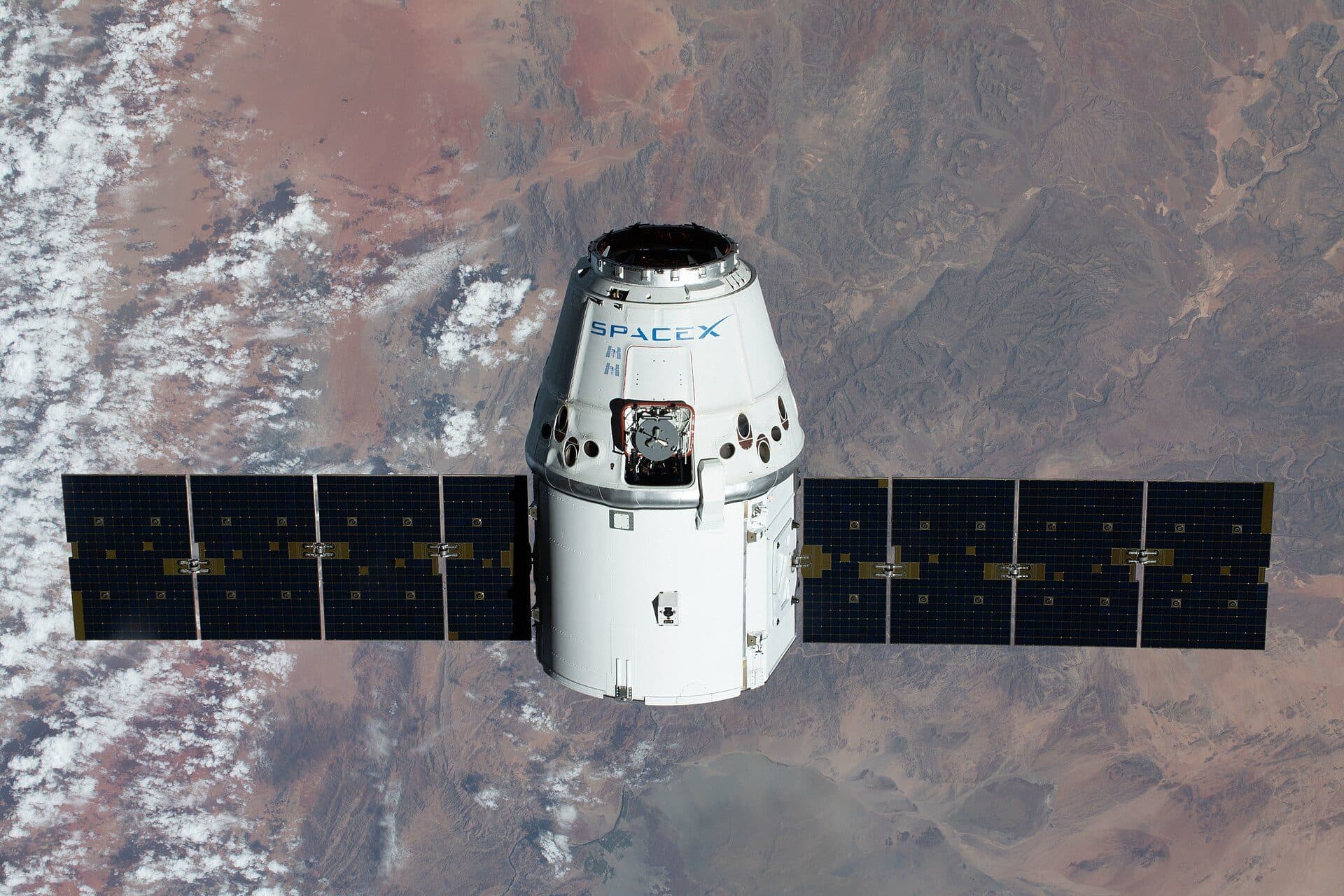
The US Federal Communications Commission has officially cleared a proposal from SpaceX to deploy a massive constellation of up to one million satellites designed to function as space-based data centres. Announced on Wednesday, the regulatory approval greenlights the initiative known as the 'Starmind' constellation, which aims to process large volumes of computational data in orbit to meet surging global demand for artificial intelligence infrastructure.
Under the conditions set by the regulatory agency, deployment must commence by November 2033. SpaceX is required to place at least 100,000 satellites into orbit—constituting 10 percent of the authorized network—by November 2035, and reach a 50 percent deployment milestone by November 2038. In its public statement regarding the decision, the FCC characterized the project as an opportunity to pioneer emerging technology that strengthens American leadership across the space and artificial intelligence sectors.
Energy Efficiency and Operational Rationale
In its regulatory filings, SpaceX emphasized that terrestrial data centres face severe challenges related to heavy electricity consumption and the substantial environmental impacts of powering and cooling large server farms. The company argued that stationing computing modules in space would allow the network to directly capture near-constant solar energy with minimal operating and maintenance overhead. According to the firm's application, this orbital approach is designed to deliver transformative energy efficiency while bypassing the ecological strains tied to ground-based facilities. Additionally, the commission approved related communication requests to support the optical network underlying the project.
Scale Skepticism and Execution Challenges
Despite the formal authorization, industry analysts and rival operators have voiced strong skepticism regarding the feasibility of launching a million-spacecraft network. Amazon's Leo satellite unit questioned whether the company could realistically execute such an immense deployment, with critics suggesting the timeline could span centuries. FCC Chairman Brendan Carr dismissed these concerns, advising competitors to concentrate on expanding their own networks rather than scrutinizing SpaceX's plans.
Observers also noted that companies frequently apply for larger satellite allocations than they ultimately deploy to maintain operational flexibility. For comparison, while SpaceX initially sought permission for 42,000 satellites for its Starlink network, it currently operates just over 11,000 in orbit out of roughly 17,000 total active satellites worldwide. Realizing the full Starmind vision will also depend heavily on the continued development and cost reduction of Starship, SpaceX's next-generation reusable rocket system intended to carry massive payloads into space.
- US regulators cleared up to one million Starmind satellites for orbital AI computing.
- Deployment milestones are established for 2033, 2035, and 2038.
- The project aims to leverage space-based solar power to bypass terrestrial energy constraints.
- The US Federal Communications Commission has officially cleared a proposal from SpaceX to deploy a massive constellation of up to one million satellites designed to function as space-based data centres.
Spotted an error? · Our editorial policy
UP NEXTBelarus President Challenges Kremlin’s Historical Justification for Ukraine ConflictSwipe more stories · TechnologyQuick cards, a few lines each. Tap to open.More from Technology
OpenAI Files Countersuit Against Apple Alleging Theft of Trade Secrets
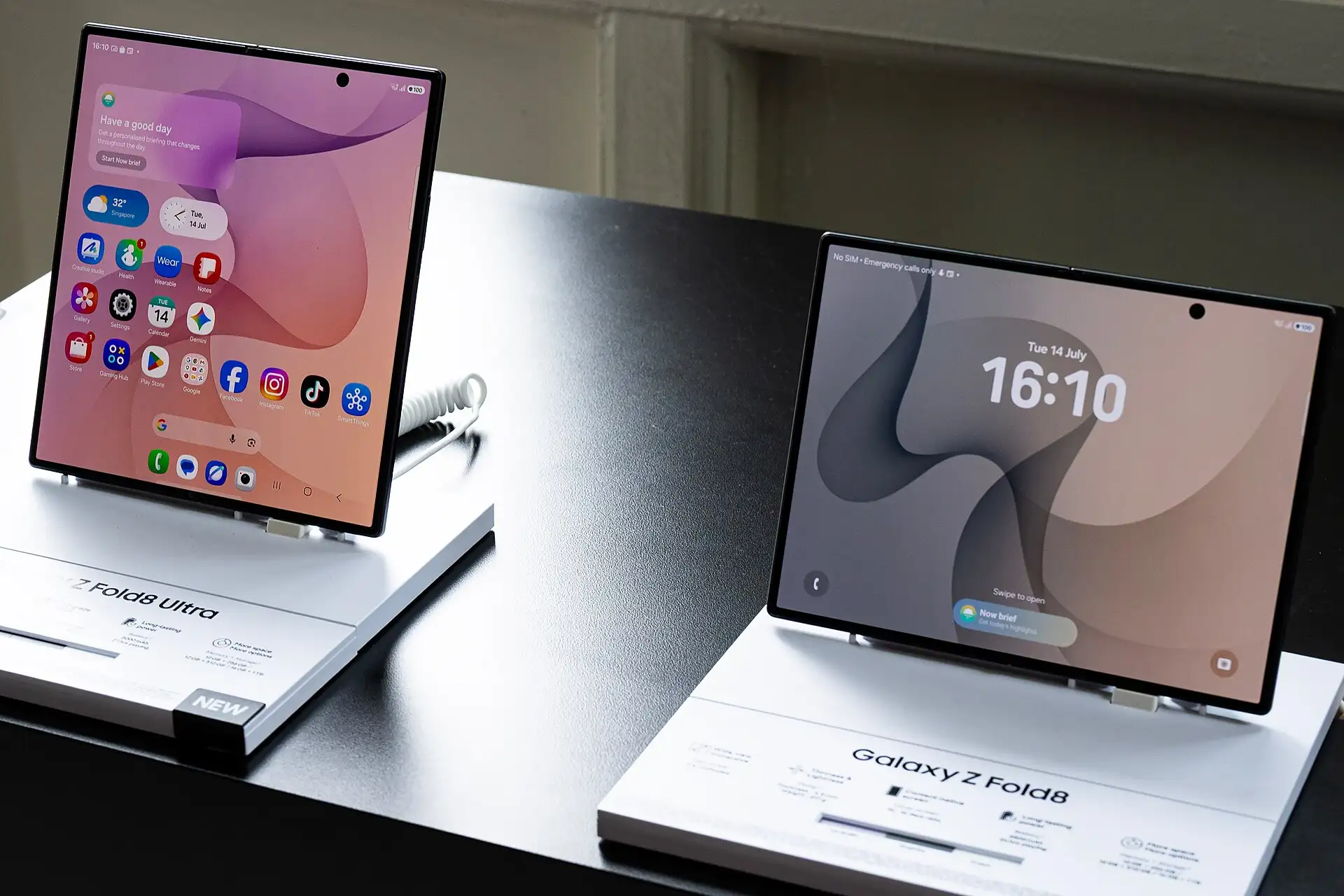
Major Black Friday and Thanksgiving Retail Sales Bring Deep Discounts on Tech Hardware
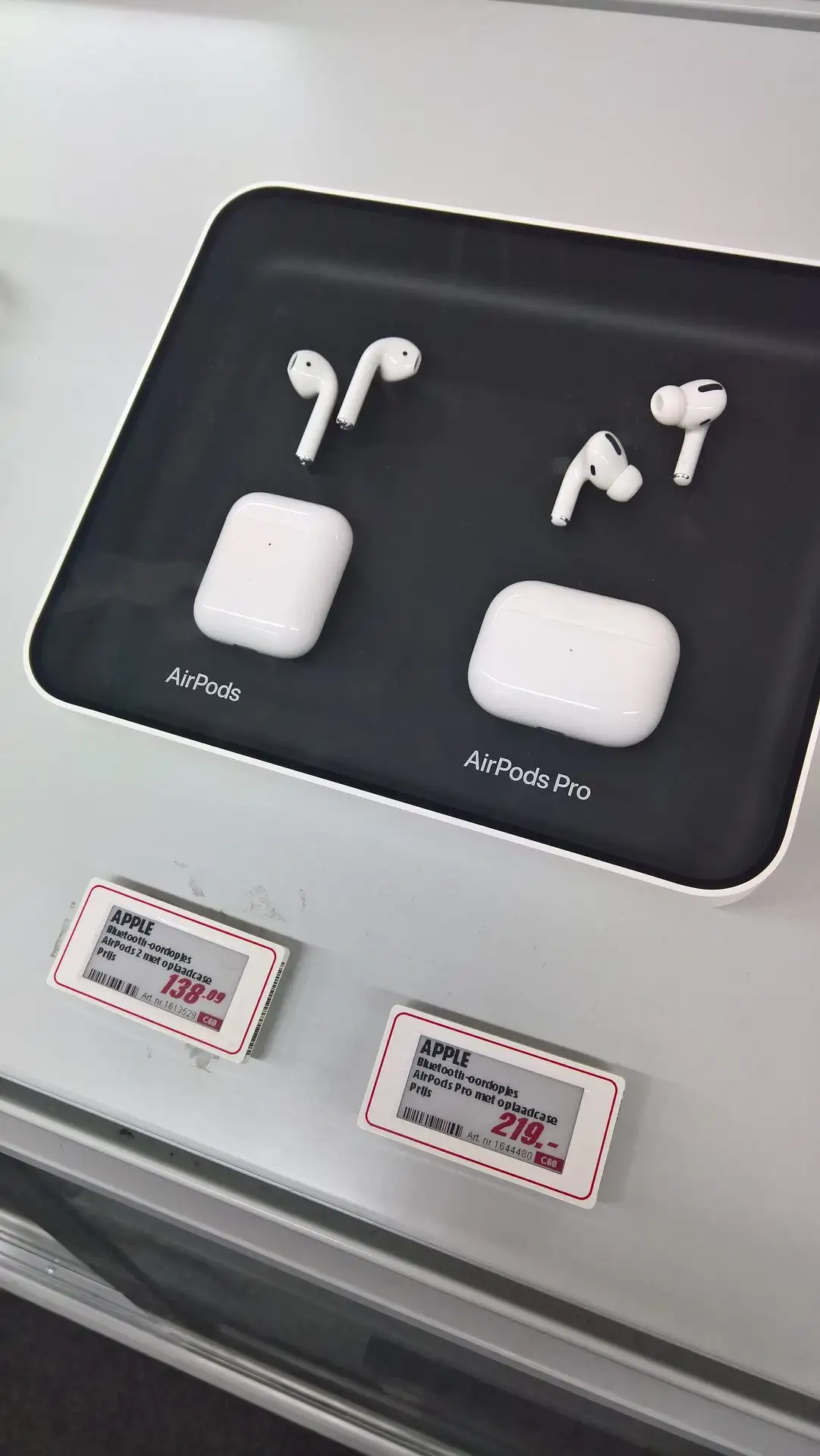
Black Friday Tech Sales Highlight Discounts on Apple, Beats, and Home Appliances