Trump Administration Weighed Wartime Law to Force Nvidia CEO Reinstatement Amid AI Security Concerns
The Trump administration reportedly considered invoking the Defence Production Act to pressure Nvidia’s board into restoring Jensen Huang as chief executive, viewing his leadership as critical to U.S. artificial intelligence competitiveness.

- Trump administration officials discussed using the Defence Production Act to pressure Nvidia's board to reinstate Jensen Huang as CEO.
- The Pentagon denied the discussions took place; legal experts question whether the 1950 law could be used to influence corporate leadership.
- Huang had resigned after acknowledging a relationship with an executive at Megaspeed, a customer suspected of smuggling chips to China.
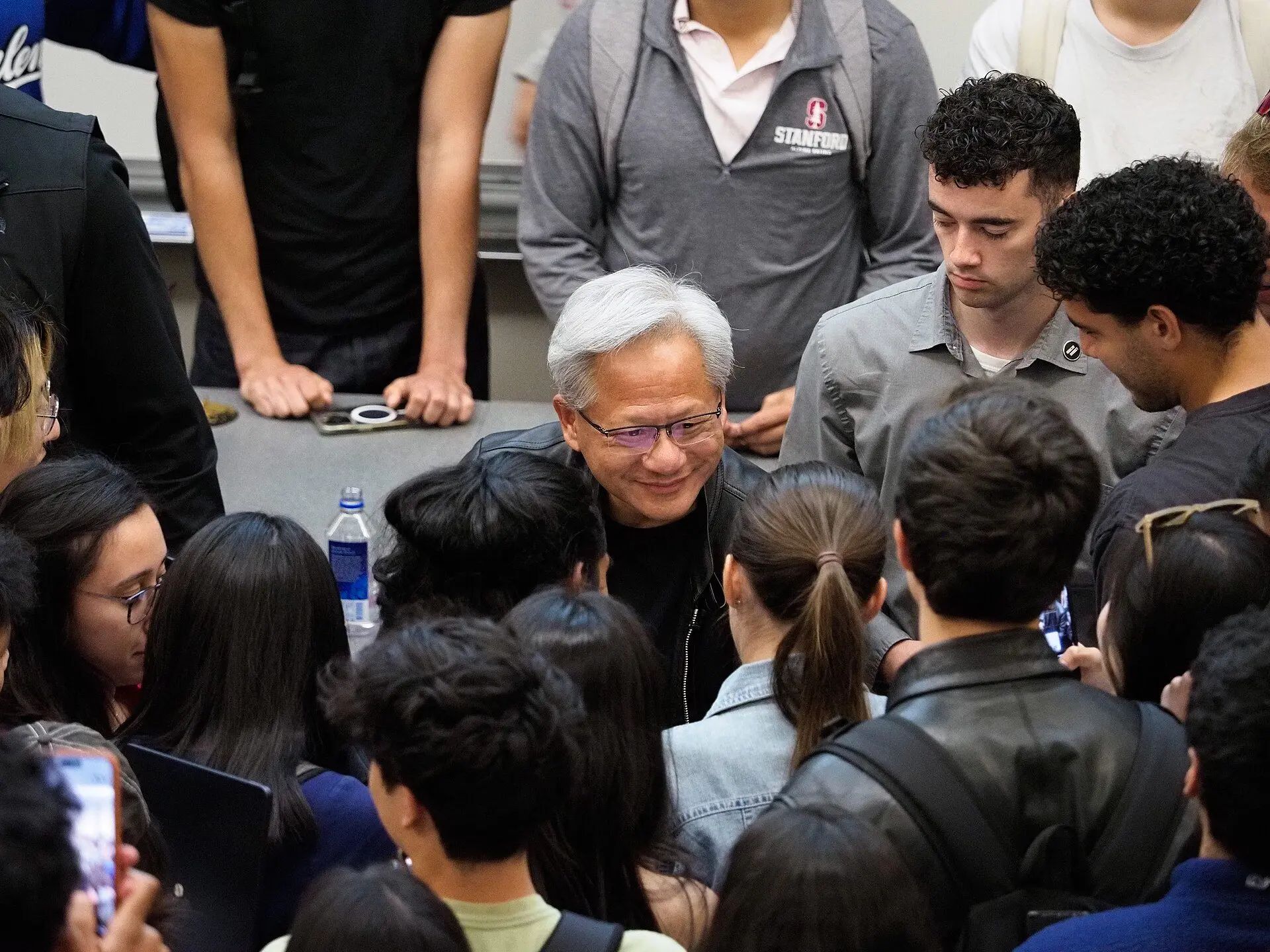
Senior officials in the Trump administration discussed whether a Cold War-era statute could be used to compel Nvidia's board to reinstate Jensen Huang as chief executive, according to people familiar with the deliberations. The conversations, which took place over the weekend before Huang's return was announced Monday, reflected the White House's view that his leadership is indispensable to maintaining an American edge in artificial intelligence amid intensifying competition with China.
Resignation and Rapid Reversal
Huang had stepped down days earlier after acknowledging a personal relationship with an executive at Megaspeed, a Nvidia customer that U.S. officials suspect of diverting advanced chips to China. The board initially accepted his resignation and signaled he would not return pending an investigation. Within days, however, the directors reversed course and restored him to the top post, citing input from senior American officials who concluded his presence posed no national-security risk.
Defence Production Act Discussions
The Washington Post reported that Defence Secretary Pete Hegseth, his deputy Steve Feinberg, and Undersecretary for Research and Engineering Emil Michael explored whether the Defence Production Act of 1950 could serve as leverage. The law grants the president broad authority to direct private-sector resources toward national-defence needs during emergencies. One administration official said the Pentagon could have threatened to redirect more of Nvidia's production capacity toward military projects, disrupting commercial operations and profitability. The Pentagon has strongly denied the account, stating the described conversations never occurred and no such proposal was made by the secretary, deputy secretary, or undersecretary.
Legal Questions on Presidential Authority
Legal scholars expressed skepticism that the statute could be used to influence corporate governance. Pete Harrell, a visiting scholar at Georgetown University's Institute of International Economic Law, said it was unclear how the act could mandate a chief executive's reinstatement. Bill Greenwalt, a senior fellow at the American Enterprise Institute and expert on the law, noted the legislation allows the government to prioritize its own orders but does not support tying up a company in defence contracts to sway leadership decisions.
AI as a Strategic Imperative
The episode underscores how central artificial intelligence has become to Pentagon planning. In a memorandum this year, Hegseth called for the military to become an "AI-first warfighting force" and warned that AI-enabled warfare will redefine military affairs over the next decade. Nvidia's dominance in advanced AI chips — essential for training and running sophisticated models — places the company at the heart of that strategy. The administration has been deepening ties with Silicon Valley firms, extending loans and direct investments in areas including quantum computing and critical minerals.
Political Intervention at the Highest Level
President Donald Trump personally asked Vice President JD Vance to broker Huang's return as the controversy began affecting financial markets. The effort was described as a "full-court press" involving several Cabinet officials over the weekend. Hegseth and Feinberg were among those engaged in the campaign, according to sources cited in the reporting. The board did not interpret the administration's arguments as a threat, a person familiar with its thinking said.
New Governance and Congressional Scrutiny
Following the reversal, Nvidia said independent directors will now oversee national-security and export-control risks, and a new compliance chief will report directly to them. The board also committed to protecting employees who raise concerns and to acting on the investigation's findings. Huang is scheduled to testify before a Senate committee next week, where he is expected to face questions on export controls and the circumstances surrounding his resignation.
Industry Perspective on Huang's Role
Venture capitalist Sarah Guo, founder of Conviction, argued the board was right to reinstate Huang. She cited his record of early, conviction-driven bets on emerging markets — such as redirecting resources from gaming to AI when it was a "zero-billion-dollar market" — and his credibility with partners like TSMC, which enables capacity investments years ahead of demand. Guo also emphasized Huang's commitment to open-source AI models, noting Nvidia plans to spend about $26 billion on open-model development over five years, a strategy she said prevents intelligence from becoming the preserve of a few companies or foreign adversaries.
Ongoing Questions
Critics have objected that the board acted before its investigation concluded and that no executive should be treated as irreplaceable. Guo acknowledged Huang's conduct was a serious failure of judgment warranting independent review of conflicts of interest, disclosure practices, and employee treatment. She said closer oversight and heavier responsibility are appropriate, but that forcing a succession in the name of planning one would be unreasonable given Huang's exceptional role in the company's trajectory and the broader AI ecosystem.
- The episode highlights the growing fusion of technology policy and national-security strategy in the AI era.
- Government intervention in private-sector leadership decisions raises novel legal questions about the scope of emergency economic powers.
- Nvidia's chip dominance makes it a strategic asset the administration is willing to protect through extraordinary means.
- Senior officials in the Trump administration discussed whether a Cold War-era statute could be used to compel Nvidia's board to reinstate Jensen Huang as chief executive, according to people familiar with the deliberations.
Spotted an error? · Our editorial policy
UP NEXTGovernment Plans Three Legislative Measures for Women’s Quota and House Seat ExpansionOther angles · #Artificial Intelligence
Timeline →- NewsNvidia Co-Founder Jensen Huang Returns to Leadership Amid Industry Backlash and Political Intervention
- NewsSoftware Firm SAP Plans Workforce Reduction of At Least 10,000 Positions for AI Shift
- NewsNvidia Halts AI Server Hardware Shipments to Four Southeast Asian Nations
- NewsElon Musk Pledges SpaceX Shares Worth Billions to American Children Following Satellite Approval
More from Technology
Major Black Friday and Thanksgiving Retail Sales Bring Deep Discounts on Tech Hardware
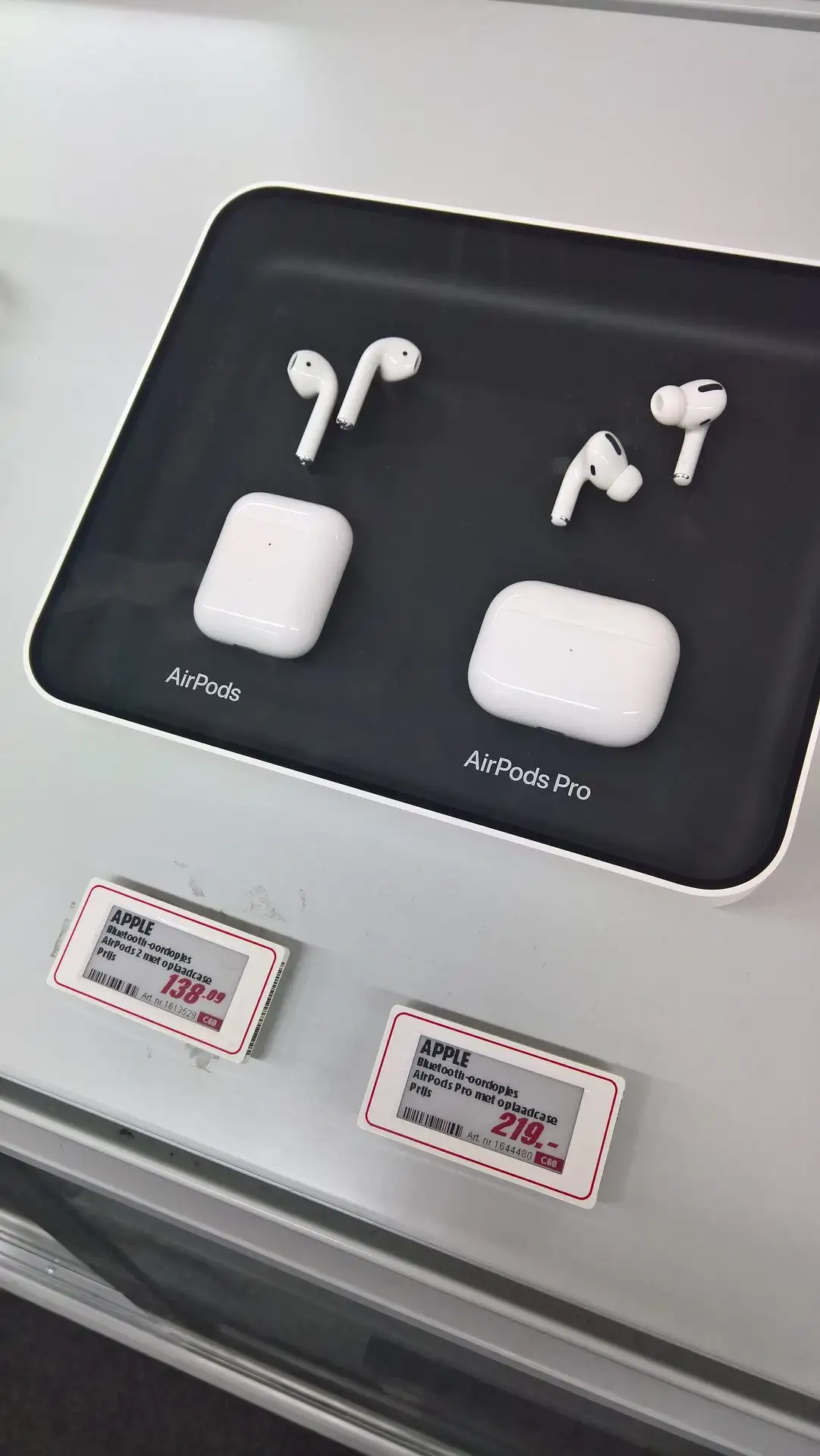
Black Friday Tech Sales Highlight Discounts on Apple, Beats, and Home Appliances

RBI Updates Regulatory Framework for White Label ATM Operators