Confidential Data Submitted to Chinese AI Startup MiniMax Accessed by Unauthorized Parties
A cybersecurity researcher has identified Chinese AI developer MiniMax as the startup behind a data security breach involving unauthorized access to private links embedded in user prompts.

- Confidential data sent to Chinese AI startup MiniMax was accessed by unidentified parties despite user requests against data retention.
- Dragos researcher HD Moore identified MiniMax as the firm involved in unauthorized access to private links.
- Atlas Cloud warned users of M3, M2.7, and M3.1 Flash models to treat submitted secrets as exposed.

Confidential data and private web links submitted to Chinese artificial intelligence startup MiniMax were accessed by unidentified parties, even in instances where users explicitly requested that their data not be retained or stored. HD Moore, the chief research officer at United States cybersecurity firm Dragos, publicly identified MiniMax as the developer referenced in an earlier security investigation published on November 19, which had initially omitted the company's name. The initial research detailed how confidential web links embedded within requests sent to artificial intelligence services were subsequently accessed by unauthorized individuals. MiniMax, which completed a share listing in Hong Kong earlier in the year, specializes in consumer applications and multimodal models capable of processing multiple data types.
Investigation Findings and Geographic Traces
Between July and November, Dragos transmitted nearly 2 million requests containing secret web links and test login credentials to various artificial intelligence providers to monitor subsequent access attempts. Moore stated that links transmitted through multiple providers were repeatedly opened two to three days later via an internet connection based in Singapore, persisting even when customers specified that their information should remain unstored. This specific access pattern manifested exclusively when requests were forwarded to the MiniMax cloud, rather than when independent companies operated its models separately. Furthermore, researchers observed that one secret link sent to MiniMax surfaced weeks later inside a chat channel on Feishu, a workplace messaging application created by China's ByteDance, where devices located in Beijing and Shanghai opened it. Additional unusual internet activity originating from the Moscow region was detected in connection with submitted links, although investigators noted the evidence could not conclusively establish that those links were opened directly from Russia.
Targeted Infrastructure and Subsequent Software Code Attempts
Following the initial link scraping activity, which appeared to cease on October 22, Dragos researchers detected subsequent attempts to download private software code collections referenced in MiniMax requests. Moore indicated that it remained unclear who initiated these code retrieval attempts or whether any proprietary code was successfully acquired. Among the affected entities was Atlas Cloud, an American artificial intelligence service provider offering access to MiniMax models. An Atlas Cloud spokesperson explained that the firm utilized MiniMax data centers located in Singapore specifically to prevent customer data processing inside China, yet information submitted via its platform remained vulnerable after reaching MiniMax. In response to these developments, Atlas Cloud halted its request forwarding to MiniMax and cautioned users of its M3, M2.7, and M3.1 Flash models to treat any submitted secrets as potentially compromised.
Platform Responses and Security Explanations
MiniMax issued a public statement on Tuesday acknowledging that its security infrastructure collected and stored web links found in messages routed through other service providers, with the system automatically opening certain links to inspect potential security threats. The company maintained that it did not preserve full conversations and had already deleted the stored addresses, asserting that the questionable activity had terminated without evidence that customer chats or artificial intelligence responses leaked to third parties. However, MiniMax did not address the alleged Feishu incident or the attempted software code downloads in its disclosure. Atlas Cloud stated that the explanation provided by MiniMax aligned with its own findings indicating that embedded prompts were accessed subsequent to forwarding, rather than on Atlas Cloud infrastructure. Meanwhile, the artificial intelligence platform OpenRouter removed three providers, reinforced its data privacy protocols, and alerted affected customers after noting that Chinese models represented the three most heavily utilized models on its platform in October by text volume, coinciding with ongoing discussions in Washington regarding mandatory disclosure rules for American companies utilizing Chinese artificial intelligence.
- Private web links submitted to MiniMax were accessed days or weeks later by unknown parties in Singapore, Beijing, and Shanghai.
- Cybersecurity firm Dragos tested AI providers using nearly 2 million requests containing secret links and test credentials.
- Affected service provider Atlas Cloud stopped forwarding requests to MiniMax and warned customers of potential exposure.
Spotted an error? · Our editorial policy
UP NEXTRSS Chief Mohan Bhagwat Says Lack of Compassion Drives Global and National CrisesOther angles · #Artificial Intelligence
Timeline →- NewsNvidia Co-Founder Jensen Huang Returns to Leadership Amid Industry Backlash and Political Intervention
- NewsSoftware Firm SAP Plans Workforce Reduction of At Least 10,000 Positions for AI Shift
- NewsNvidia Halts AI Server Hardware Shipments to Four Southeast Asian Nations
- NewsElon Musk Pledges SpaceX Shares Worth Billions to American Children Following Satellite Approval
More from Technology

Major Black Friday and Thanksgiving Retail Sales Bring Deep Discounts on Tech Hardware
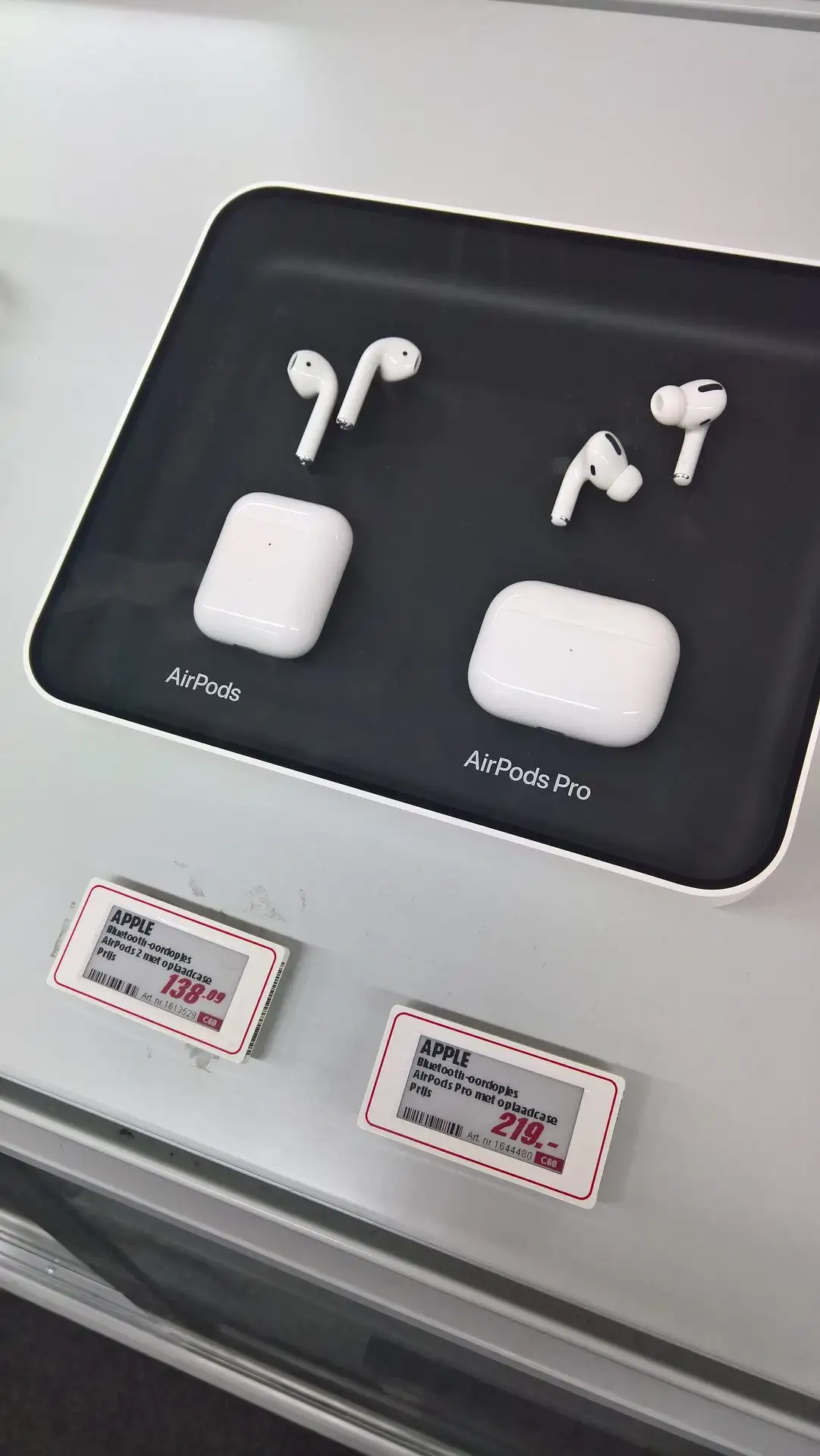
Black Friday Tech Sales Highlight Discounts on Apple, Beats, and Home Appliances

RBI Updates Regulatory Framework for White Label ATM Operators