Supreme Court Refers Delhi Protest Police Action Complaints to Inquiry Panel While Examining Journalist Protections
The Supreme Court has referred allegations of police misconduct against seven journalists during October demonstrations in Delhi to a high-powered inquiry committee.

- The Supreme Court referred allegations of police misconduct against seven journalists to a high-powered inquiry committee headed by Justice R Subhash Reddy.
- The petitions stem from October 2026 protests in Delhi demanding the resignation of Chief Election Commissioner Gyanesh Kumar.
- The court will examine broader constitutional questions on whether accredited journalists enjoy greater protection than self-proclaimed reporters.
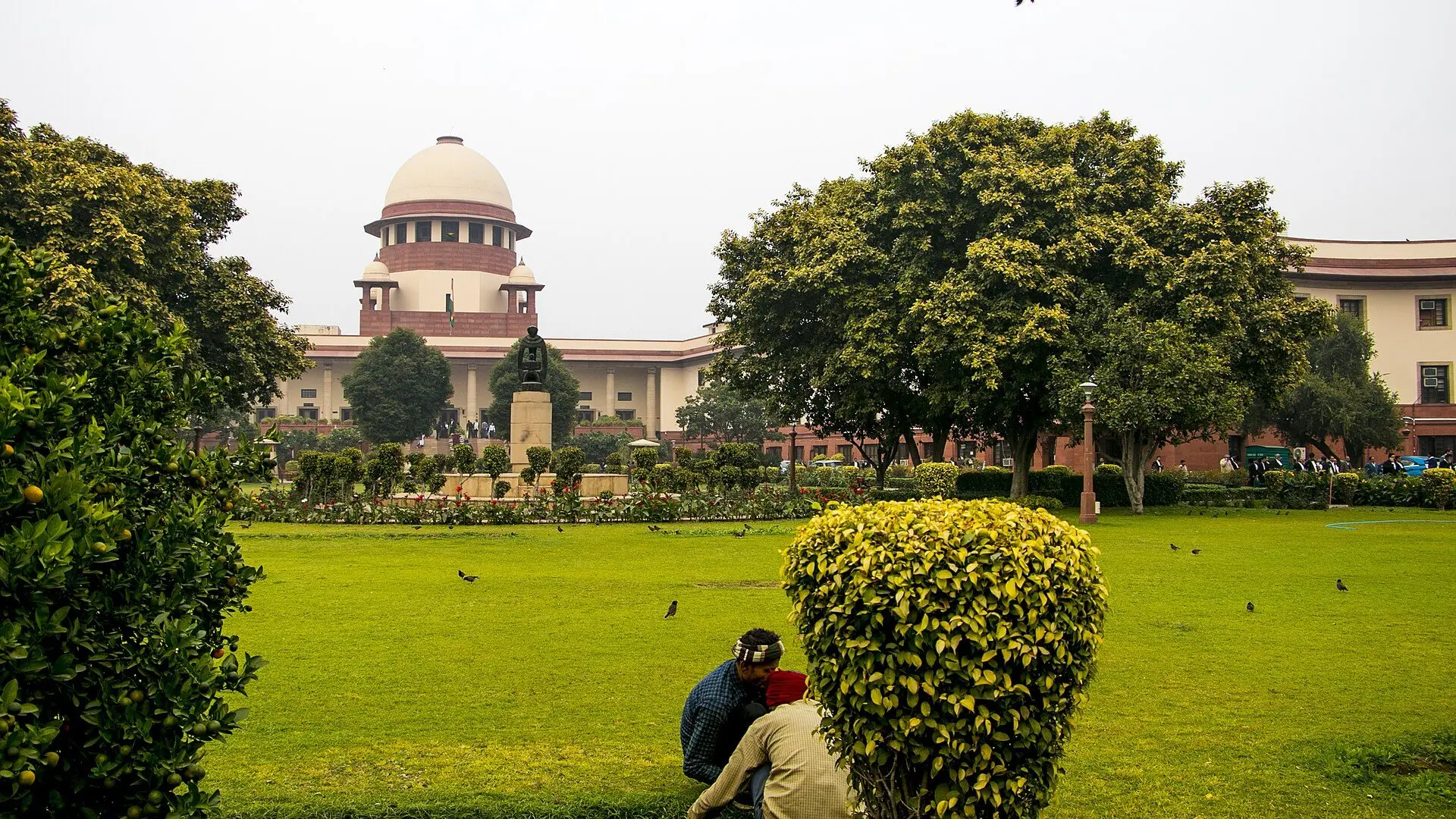
The Supreme Court on Thursday referred complaints concerning police assault, manhandling, and wrongful detention of seven journalists during demonstrations in Delhi last October to a five-member inquiry committee. Led by former Supreme Court judge Justice R Subhash Reddy, the panel has been tasked with examining the allegations to determine whether law enforcement officers subjected the media personnel to excessive force. The bench, comprising Chief Justice Surya Kant and Justices Joymalya Bagchi and V Mohana, instructed the petitioners to present relevant documentation before the committee to establish factual presence and whether any force used was disproportionate to public order maintenance needs.
Inquiry Panel Review and Petition Details
The proceedings originated from petitions filed by the Kerala Union of Working Journalists and the Delhi Union of Journalists. These filings challenged alleged police actions during protests on October 10 and 11, 2026, which called for the resignation of Chief Election Commissioner Gyanesh Kumar. The demonstrations were organized by student groups, opposition parties, and the Cockroach Janta Party campaign, following prior demonstrations held at Jantar Mantar in June and July regarding exam irregularities. During the October 11 demonstrations, the Delhi Police detained at least 11 journalists, with representatives from numerous media outlets affected.
Constitutional Questions on Journalistic Protection
Alongside referring the individual claims to the inquiry panel, the bench indicated it would address broader constitutional questions regarding press freedom. The court noted it will examine whether accredited journalists possess greater legal protection than self-proclaimed reporters and content creators while covering public events. Justice Bagchi observed that journalistic freedom must be balanced against the administration of public order. Senior advocate PV Dinesh, representing the journalists, submitted that the seven individuals worked for established organizations rather than operating as social media reel-makers, and questioned whether recognized professionals could be taken into custody while performing their duties.
Delhi Police Stance and Affidavits
In a prior affidavit submitted on November 18, the Delhi Police maintained that it never knowingly obstructed any bona fide reporter from discharging professional duties. However, the force argued that social media influencers, content creators, and reel-makers operating filming equipment cannot claim the same exemptions from movement regulations as accredited press personnel. The police asserted that certain protesters falsely identified themselves as professional journalists and that a distinct category exists between recognized media workers and commercial content creators or unruly elements present at demonstration sites.
- A five-member inquiry committee will investigate specific claims of police excesses against seven journalists.
- The Delhi Police maintains that social media influencers and reel-makers do not share the same protections as accredited journalists.
- The Supreme Court is reviewing broader constitutional safeguards concerning press freedom during public demonstrations.
Spotted an error? · Our editorial policy
UP NEXTMajor Black Friday and Thanksgiving Retail Sales Bring Deep Discounts on Tech HardwareOther angles · #Delhi protests
Timeline →More from India
RSS Chief Mohan Bhagwat Says Lack of Compassion Drives Global and National Crises
Supreme Court Asks Centre to Consider Mother-Based Caste Certificates in Specific Cases
Four Juveniles Detained Over Fatal Strangling of Jharkhand Residential School Student