Supreme Court Seeks Responses on Traders’ Petition Challenging Delhi Protest Sites
The Supreme Court issued notices to political parties and organizations following a petition from Delhi traders seeking to challenge the designation of Ramlila Maidan as a protest venue.

- Supreme Court issued notices to Congress, AAP, CJP, and AISA over traders' petition.
- Traders argue protest sites near wholesale markets disrupt livelihoods and block access.
- Petitioners estimate daily business risk of ₹250 crore during peak festival season.
The Supreme Court of India has formally intervened in a legal challenge brought by market traders' associations regarding public demonstrations in the national capital. A judicial bench issued official notices to several political parties and advocacy groups, prompting them to submit formal responses regarding the location and impact of mass gatherings.
Judicial Bench and Competing Rights
The legal proceedings are managed by a bench led by Chief Justice Surya Kant, alongside Justices Joymalya Bagchi and V Mohana. During the court session, the judiciary noted that the dispute involves balancing competing fundamental rights, specifically weighing the constitutional right to peaceful assembly and protest against the fundamental rights of commercial enterprises, workers, and local residents to conduct business and access livelihoods.
Traders' Challenge to Protest Venues
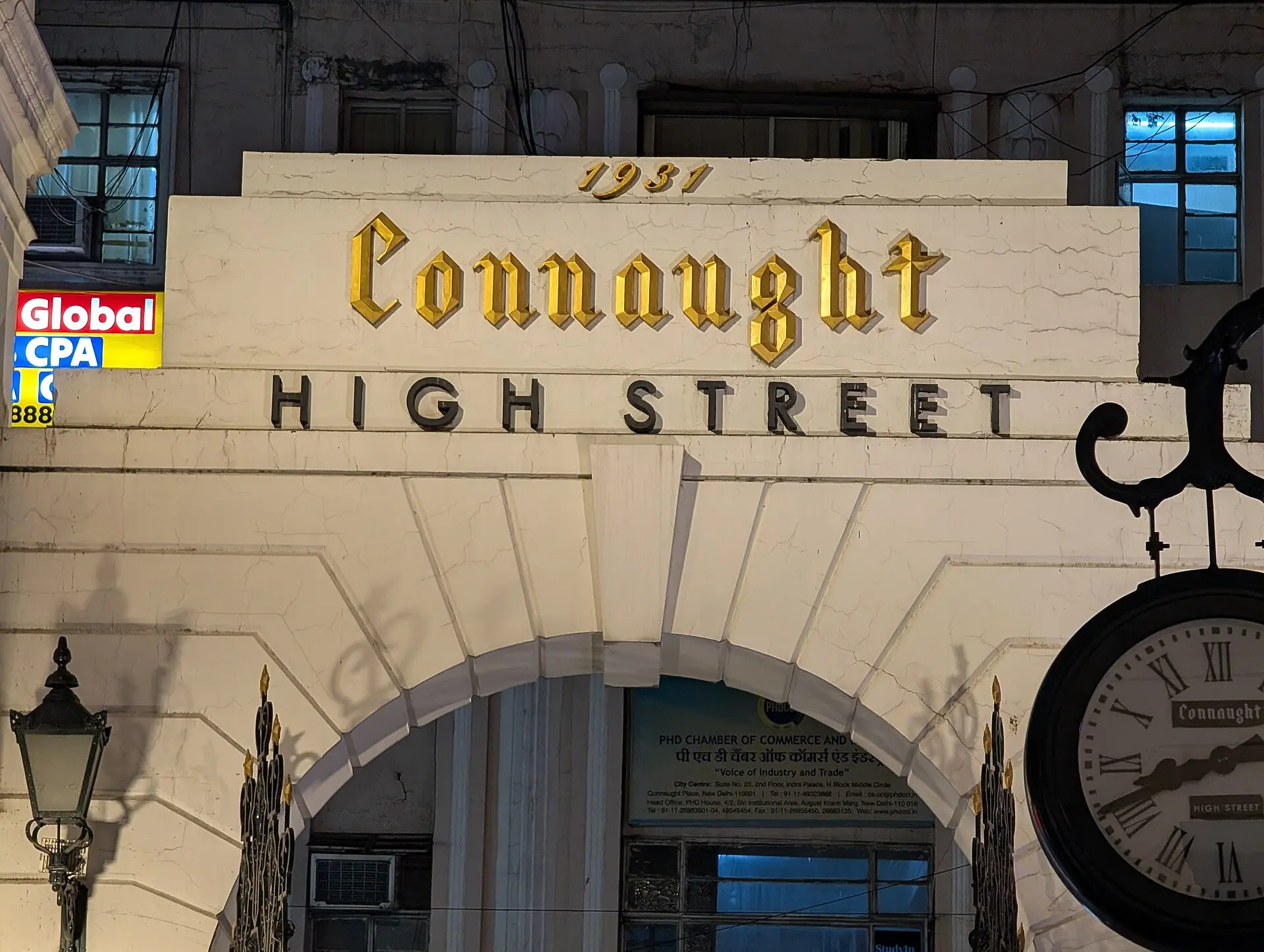
The petition was filed by the Kirana Committee of Delhi and the Delhi Iron and Hardware Merchants Association of Chawri Bazar. Representing the petitioners, senior advocate Mukul Rohatgi argued against the designation of Ramlila Maidan as an authorized protest site. The legal challenge seeks the quashing of an October order issued by the Delhi Police that established the ground as a demonstration venue, pointing out its close proximity to major commercial hubs such as Connaught Place, Chandni Chowk, Chawri Bazar, Khari Baoli, and Sadar Bazar.
Economic Impact on Peak Season Trade
According to the commercial associations, public demonstrations held in the midst of bustling commercial areas severely disrupt wholesale and retail markets, obstruct thoroughfares, and restrict entry to residential zones. The petitioners emphasized that the protests coincided with critical festive periods when traders generate a substantial portion of their annual income. The filing estimates that daily business turnovers in Delhi range between ₹500 crore and ₹600 crore, with approximately ₹250 crore at risk daily during the peak season spanning from October through January.
Scope of Affected Livelihoods
The market associations stated that the disruptions extend far beyond store owners, impacting nearly one million business establishments, ten million individual livelihoods, and roughly 500,000 outstation traders. The economic fallout affects employees, daily-wage earners, street vendors, hawkers, delivery workers, drivers, and artisans who depend on uninterrupted commercial activity in the densely packed commercial districts of Old Delhi.
Involvement of Political Parties and Groups
Following procedural directions from the bench to add the organizing entities as formal parties to the litigation, the petitioners included the Congress party, the Aam Aadmi Party (AAP), the Cockroach Janta Party (CJP), and the All India Students Union (AISA). The initial dispute arose around events including a proposed march at Connaught Place and subsequent political rallies held at Ramlila Maidan in early November.
Government and Official Responses
Solicitor General Tushar Mehta, representing the Central government, recommended that the new petition be examined alongside existing legal challenges that contest police restrictions and actions during previous Delhi protests. Mehta noted that the current petition addresses conflicting rights that merit joint consideration by the top court.
Upcoming Judicial Proceedings
The Supreme Court has scheduled the matter for further consideration after two weeks, with hearings tentatively listed for late November. The petitioners clarified that they do not seek an absolute ban on peaceful demonstrations, but rather a structured regulatory framework governing the scale, duration, and specific location of public protests to protect traffic flow and market accessibility.
- The Kirana Committee and Delhi Iron and Hardware Merchants Association filed the petition challenging protest site designations.
- The bench directed that this case be heard alongside other petitions concerning public demonstrations in Delhi.
- Petitioners requested a proper framework for protest locations rather than a complete ban on peaceful gatherings.
Spotted an error? · Our editorial policy
UP NEXTBritish Columbia Premier Lorne Doerkson Inducts Punjabi-Origin MLAs into CabinetSwipe more stories · Indian PoliticsQuick cards, a few lines each. Tap to open.More from Indian Politics
Arunachal Organisations Appeal to Amit Shah to Cancel 11,200-MW Siang Mega Dam

Former Kerala Sports Minister Named as Accused in Lionel Messi Event Probe
Parliament’s Monsoon Session Sets Record at 100 Days Unprorogued Amid Delimitation and Reservation Speculation