Supreme Court Clarifies CBSE Three-Language Rule, Allows Students to Retain Choices
The Supreme Court has clarified that students in Classes 6 to 9 can continue with their existing two or three language selections under the CBSE policy without facing mid-session changes.

- Supreme Court allowed students in Classes 6 to 9 to retain their existing two or three language choices.
- The bench clarified that schools cannot force students to change language selections midway through the academic year.
- The Central Board of Secondary Education had filed an application seeking modification of a previous transitional exemption.
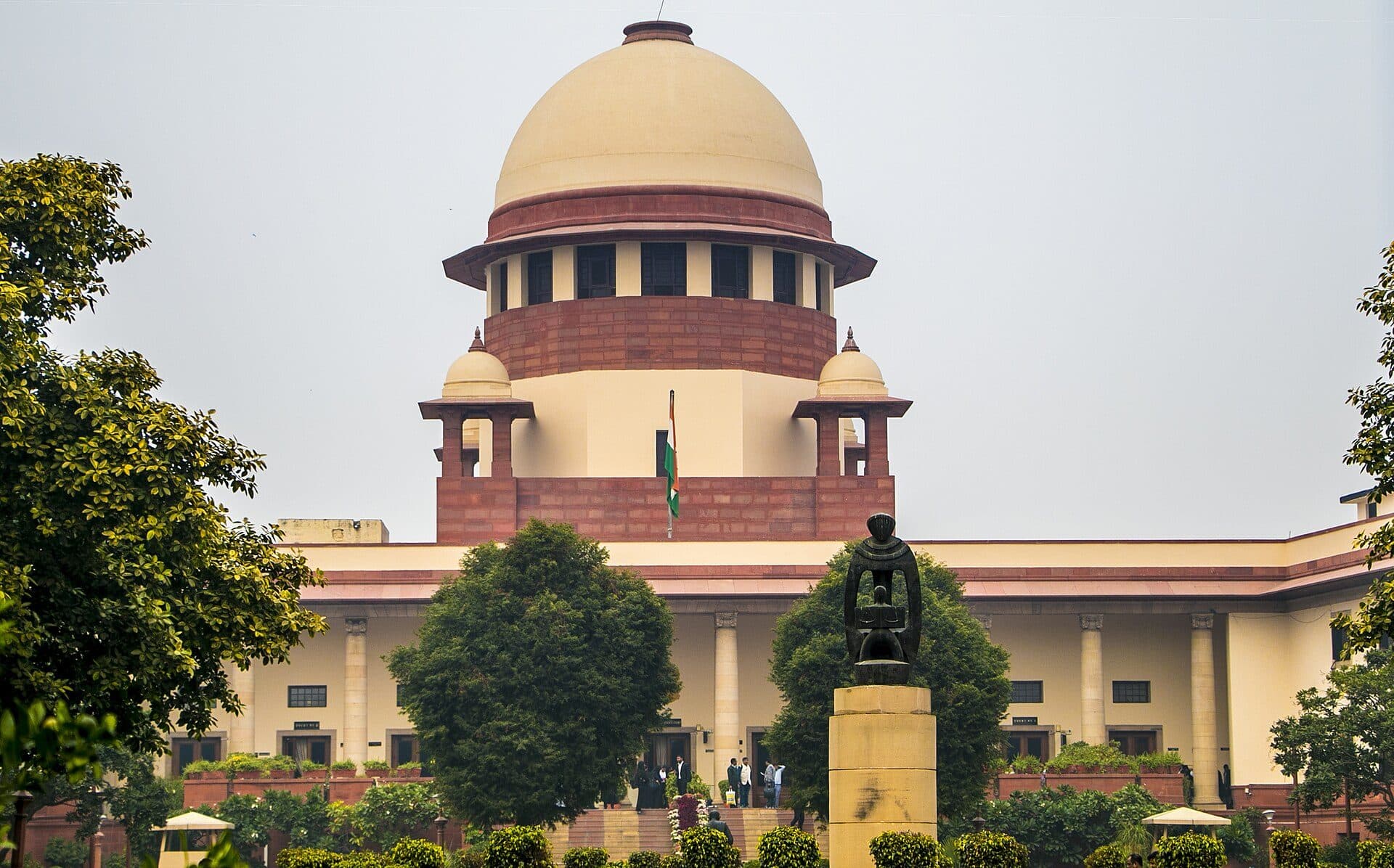
The Supreme Court has ruled that students enrolled in Classes 6 through 9 are permitted to maintain their current language choices under the Central Board of Secondary Education framework. A judicial bench stated that learners will not be forced to alter their language combinations halfway through an active academic term. The clarification addresses widespread uncertainty among students regarding transitional adjustments following alterations to educational guidelines.
Judicial Bench and Clarifications
The bench overseeing the matter consisted of Chief Justice of India Surya Kant, alongside Justices Joymalya Bagchi and V Mohana. During the proceedings, the bench emphasized that students who previously selected two languages are allowed to maintain them for the current academic year, while those who chose three languages may continue studying all three. The court noted that educational institutions cannot compel students to modify existing selections under the guise of enforcing updated regulations.
Background of the CBSE Policy and Court Applications
The Central Board of Secondary Education implemented the three-language mandate in accordance with the National Education Policy 2020 and the National Curriculum Framework for School Education 2023. Under this structural framework, students across Classes 6 to 9 are required to study three languages, with a mandate that at least two must be Indian languages. The requirements began rolling out for Class 6 in the 2026-27 academic session and became compulsory for Class 9 starting July 1, 2026. Legal petitions had previously challenged the implementation of this formula in affiliated schools.
Exemptions and Assessment Rules
In September, the court granted transitional relief extending an exemption from mandatory board examinations in the third language. The Central Board of Secondary Education subsequently filed an application seeking a modification of this exemption, arguing that while the relief affected a limited number of students, it could disrupt broader academic arrangements. Following arguments where Solicitor General Tushar Mehta represented the board, the court confirmed that third-language assessments will remain handled internally by schools, ensuring marks do not impact final board results.
- Students may keep their current two or three language combinations without mid-session disruption.
- Third-language assessments will be conducted internally by schools rather than through board exams.
- The Supreme Court issued the clarification following an application filed by the Central Board of Secondary Education.
Spotted an error? · Our editorial policy
UP NEXTBelarus President Challenges Kremlin’s Historical Justification for Ukraine ConflictSwipe more stories · IndiaQuick cards, a few lines each. Tap to open.More from India
Supreme Court Issues Contempt Notices Over Madurai Temple Lamp Dispute

RSS Chief Mohan Bhagwat Says Lack of Compassion Drives Global and National Crises
Supreme Court Asks Centre to Consider Mother-Based Caste Certificates in Specific Cases