Punjab Faces Power Crisis as Thermal Units Shut Down, Sparking Shortage Concerns
Six thermal units across Punjab have shut down due to technical faults and annual maintenance, causing widespread power cuts and heavy reliance on the central pool.

- Six thermal units in Punjab have shut down due to technical faults and annual maintenance.
- Power cuts lasting over two hours are affecting rural and urban areas as local generation drops.
- Authorities report adequate coal reserves and expect phased restarts for the shut units through December.
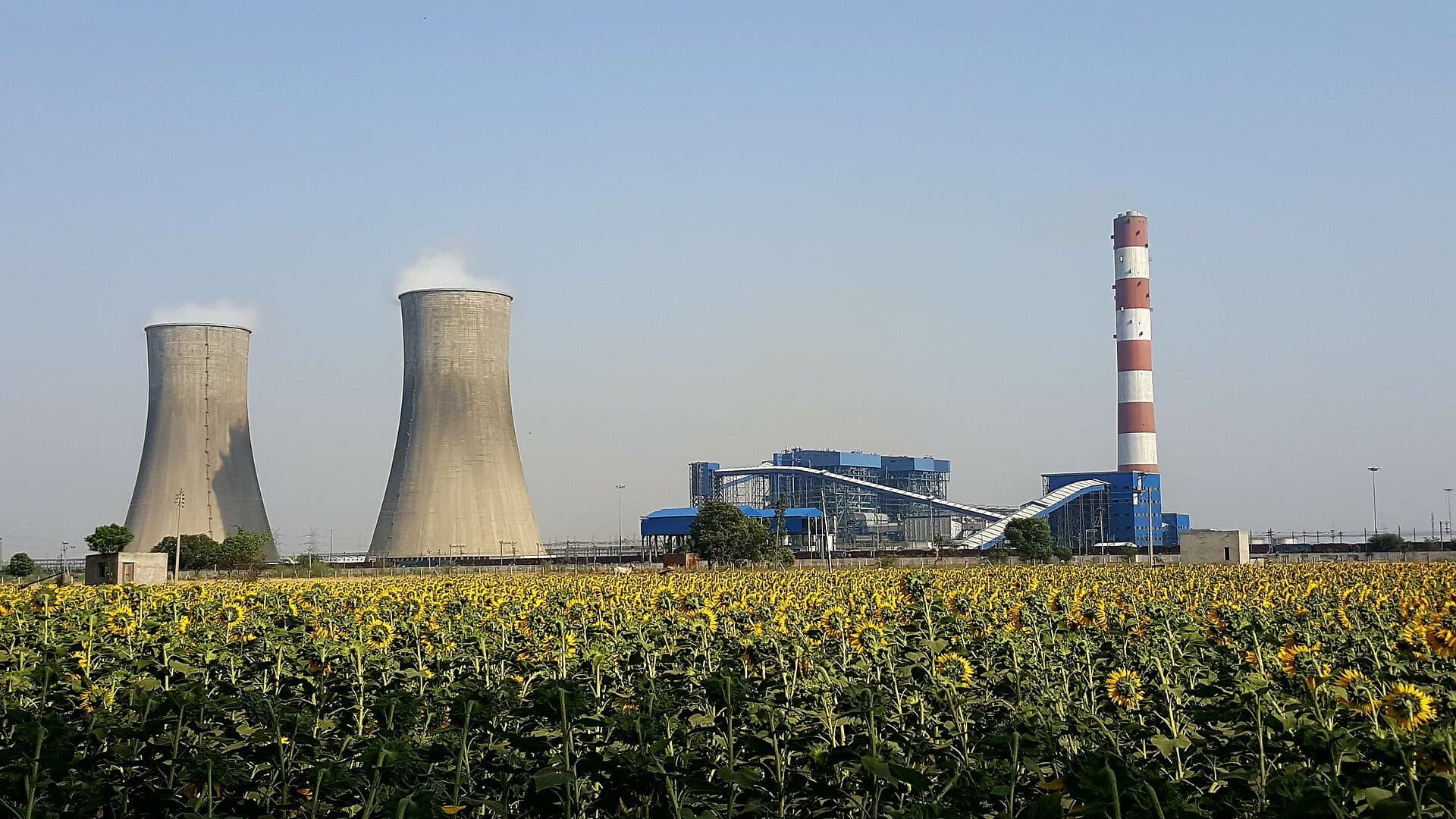
Punjab is currently grappling with a severe electricity deficit during the winter season, driven by the sudden shutdown of six thermal units across government and private power plants. These closures have resulted in a massive loss of power generation, forcing the Punjab State Power Corporation Limited to implement scheduled power cuts lasting between two and three-and-a-half hours across rural areas, district headquarters, sub-mountainous regions, and urban industrial pockets. While solar energy availability provides some relief during daylight hours, the deficit becomes acute during peak evening hours, particularly between 5:30 PM and 7:30 PM, when open-market purchases fail to meet surging demand.
Production Losses and Plant Status
State-wide electricity demand has hovered between 8,000 and 9,000 megawatts, while generation from all local sources has dropped significantly short, forcing authorities to draw heavily from the central power pool to sustain grid stability. According to figures attributed to generation officials, the combined generation capacity of the region's thermal plants has sharply declined as technical malfunctions and scheduled annual maintenance affect fifteen operating units. The affected infrastructure includes multiple units at the public-sector Ropar thermal facility, alongside units at the private Rajpura and Talwandi Sabo plants, as well as the Goindwal Sahib thermal station.
Maintenance Schedules and Coal Stocks
Power corporation officials, including Director Generation Punardeep Singh Brar, confirmed that the shutdowns are partially routine, noting that plants typically undergo maintenance during the lower-demand winter months. Authorities have also clarified that there is no shortage of fuel reserves, with individual facilities maintaining adequate coal inventories lasting between twenty and thirty days. Recovery timelines vary across the plants, with certain units expected to resume operations progressively through November and December, though full relief across the grid is not anticipated immediately.
Long-Term Generation Concerns
Looking ahead, energy experts have raised serious concerns regarding future supply deficits. The Punjab Engineers Association, through General Secretary Ajaypal Singh Attwal, noted that provincial power demand climbs by seven to eight percent annually without a corresponding expansion in local generation capacity. The association has projected that demand could outstrip available supply by up to 2,500 megawatts during the peak summer season of 2027, and has formally recommended the installation of large supercritical units at the Ropar plant to avert a deeper structural crisis.
- Six thermal units across government and private sectors are currently non-functional.
- Daily power cuts range from two to over three hours across various regions.
- Long-term projections warn of potential deficits by the summer of 2027 if generation capacity is not expanded.
Spotted an error? · Our editorial policy
UP NEXTBelarus President Challenges Kremlin’s Historical Justification for Ukraine ConflictSwipe more stories · IndiaQuick cards, a few lines each. Tap to open.More from India
Supreme Court Issues Contempt Notices Over Madurai Temple Lamp Dispute

RSS Chief Mohan Bhagwat Says Lack of Compassion Drives Global and National Crises
Supreme Court Asks Centre to Consider Mother-Based Caste Certificates in Specific Cases