Kerala Panel Proposes Roadside Housing for Cholanaikkan Tribal Community
The Keralam State Commission for Scheduled Castes and Scheduled Tribes has recommended collective roadside housing for the Cholanaikkans while preserving their traditional lifestyle.

- The Keralam State Commission for Scheduled Castes and Scheduled Tribes proposed collective roadside housing for the Cholanaikkan community.
- About 70 families live across 20 settlements, with 40 percent moving between caves and stream banks based on weather.
- Residents at Manjeeri live in rooftop sheds due to frequent wild elephant attacks.
The Keralam State Commission for Scheduled Castes and Scheduled Tribes has put forward a proposal to establish collective housing facilities near tarred roads for the Cholanaikkans. Recognized as one of Asia's last remaining cave-dwelling indigenous populations, the community's traditional lifestyle and cultural identity are intended to be safeguarded under this initiative. Officials stated that the panel plans to compile a detailed report outlining the challenges encountered by the residents and detailing actionable recommendations to elevate their living standards.
Settlement Visit and Community Demands
A delegation comprising Commission Chairperson Sekharan Miniyodan, members Sethu Narayanan and T K Vasu, alongside Assistant Registrar A Ajith Prasad, journeyed to the Manjeeri and Kannikkai tribal settlements within the Karulai grama panchayat on Thursday. They were accompanied during the visit by Range Forest Officer P K Mujeeb Rahman and Integrated Tribal Development Project (ITDP) Project Officer Vipin Das. Interacting directly with 11 families, the team evaluated existing conditions, noting that approximately 70 families currently reside across nearly 20 distinct settlements. Officials highlighted that roughly 40 percent of these individuals continue to alternate between stream banks and caves depending on prevailing weather patterns.
Livelihood Challenges and Wildlife Threats
The primary livelihood for the community relies on gathering forest produce, with members rarely venturing out of forested tracts. Housing and secure land allocation remain central demands for the residents, who have expressed a desire for basic amenities and homes near paved roads rather than staying inside forest caves. At the Manjeeri settlement, Chairperson Miniyodan observed that persistent wild elephant threats prevent residents from safely occupying their designated houses, forcing them instead to build makeshift rooftop sheds to inhabit. The panel suggested exploring the creation of roadside residential spaces coupled with agricultural land allotments inside the forest, drawing a parallel to frameworks established in other tribal settlements.
Land Distribution and Educational Concerns
Addressing administrative hurdles, the chairperson urged the removal of technical delays affecting land distribution. Documentation for allocating 10 acres of land to each of eight families under the Forest Rights Act is presently pending review before the District Level Committee (DLC). C Vinod, noted as the first community member to qualify for PhD research, shared his perspective with the visiting officials, advising against relocating families to urban towns. He advocated instead for collective housing close to roadways that respects cultural practices and natural surroundings, while also drawing attention to educational barriers faced by children due to linguistic differences between the tribal dialect and Malayalam.
Ongoing Welfare Measures and Future Action
Current administrative support includes weekly distribution of food kits managed jointly by the Civil Supplies Department, the Forest Department, and the ITDP, alongside financial assistance designated for hospital medical expenses. Although the tenure of the current commission is approaching its completion, Chairperson Miniyodan confirmed that steps will be taken to brief the incoming chairperson to ensure seamless follow-up action regarding the settlements. The comprehensive findings gathered during the assessment will be formally submitted to the government for policy consideration.
- The commission visited Manjeeri and Kannikkai settlements on Thursday.
- PhD scholar C Vinod advised against moving the community to towns, suggesting roadside collective housing instead.
- Weekly food kits and hospital treatment assistance are currently supplied by government departments.
- The Keralam State Commission for Scheduled Castes and Scheduled Tribes has put forward a proposal to establish collective housing facilities near tarred roads for the Cholanaikkans.
Spotted an error? · Our editorial policy
UP NEXTBelarus President Challenges Kremlin’s Historical Justification for Ukraine ConflictSwipe more stories · IndiaQuick cards, a few lines each. Tap to open.More from India
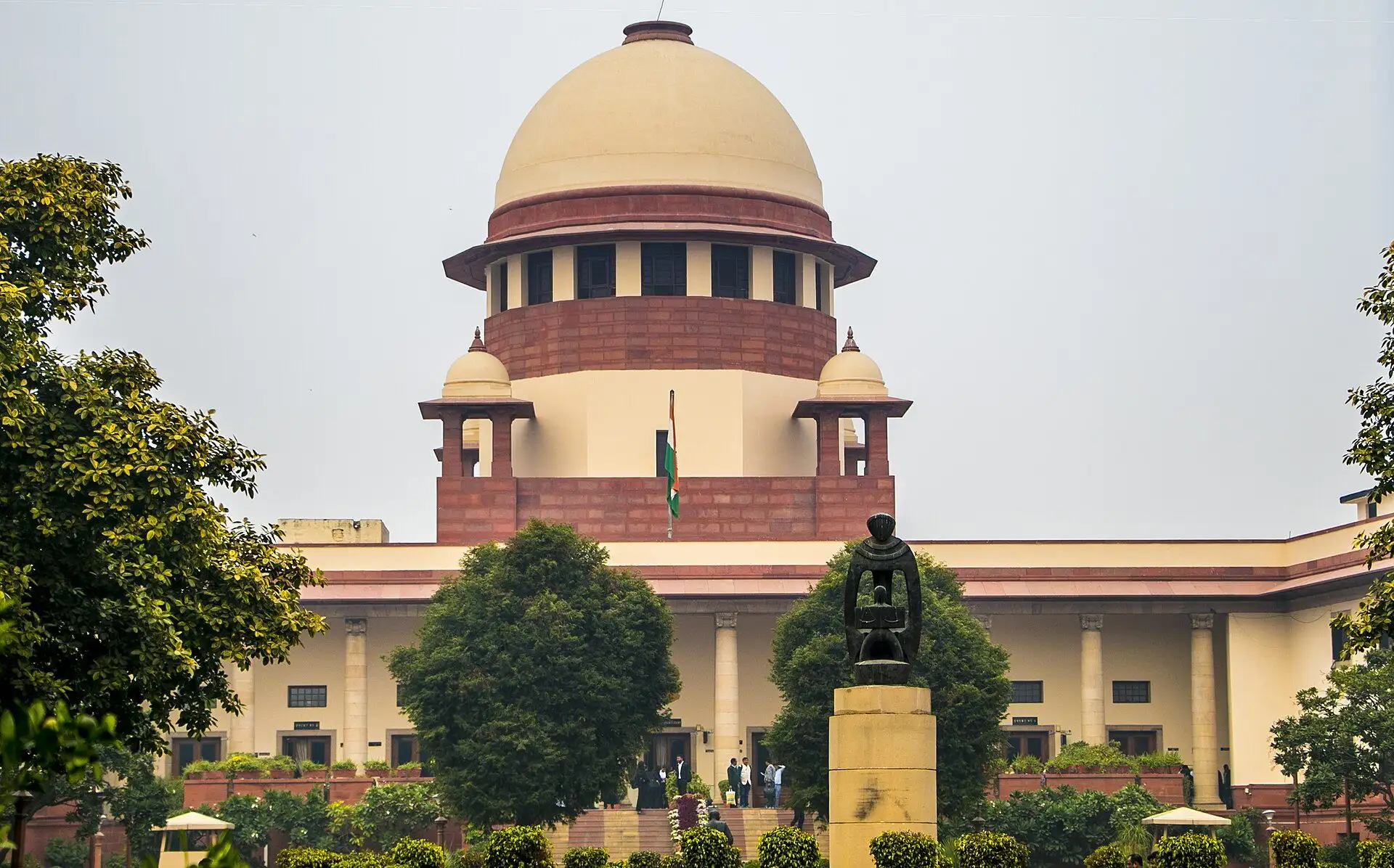
Supreme Court Issues Contempt Notices Over Madurai Temple Lamp Dispute
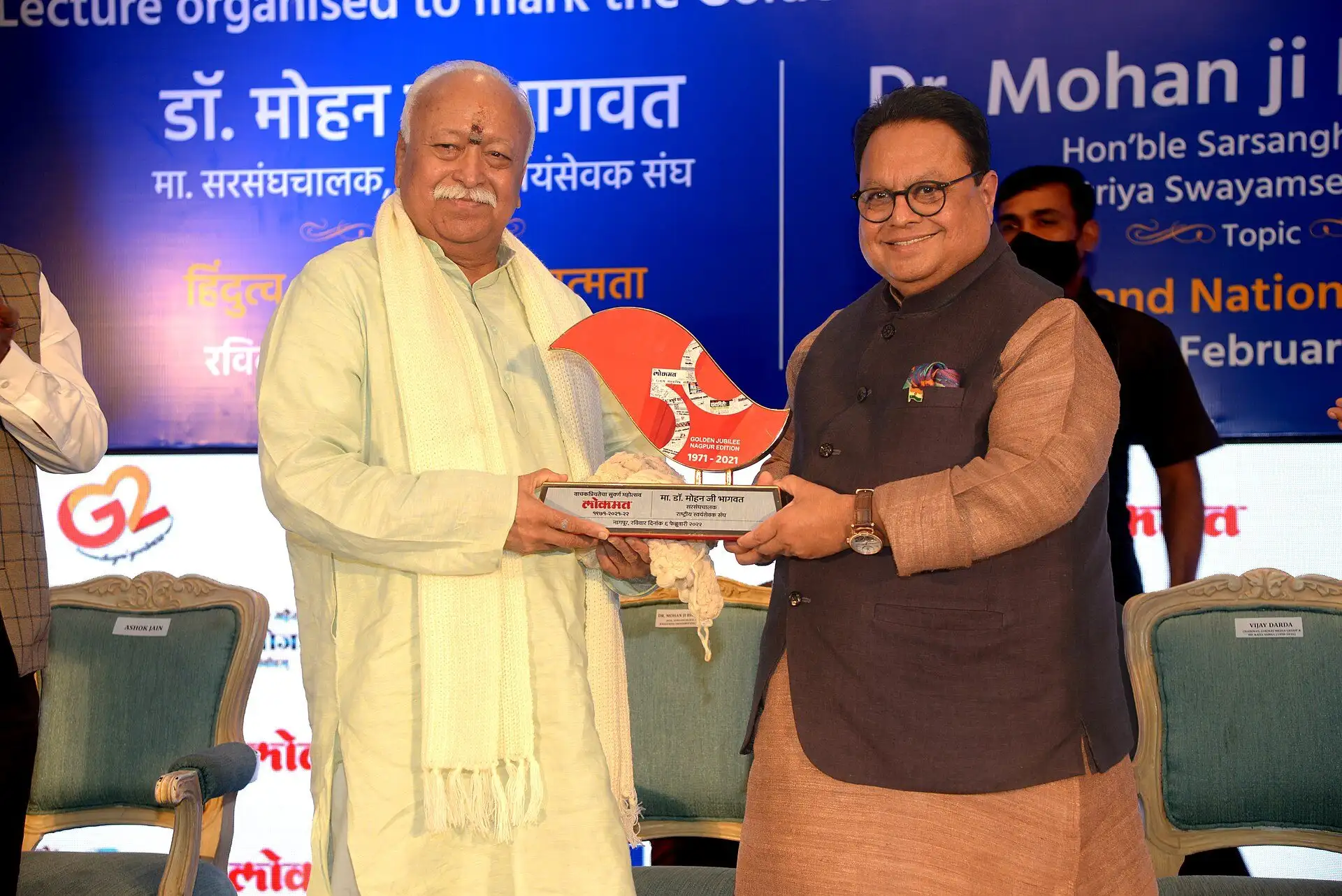
RSS Chief Mohan Bhagwat Says Lack of Compassion Drives Global and National Crises
Supreme Court Asks Centre to Consider Mother-Based Caste Certificates in Specific Cases