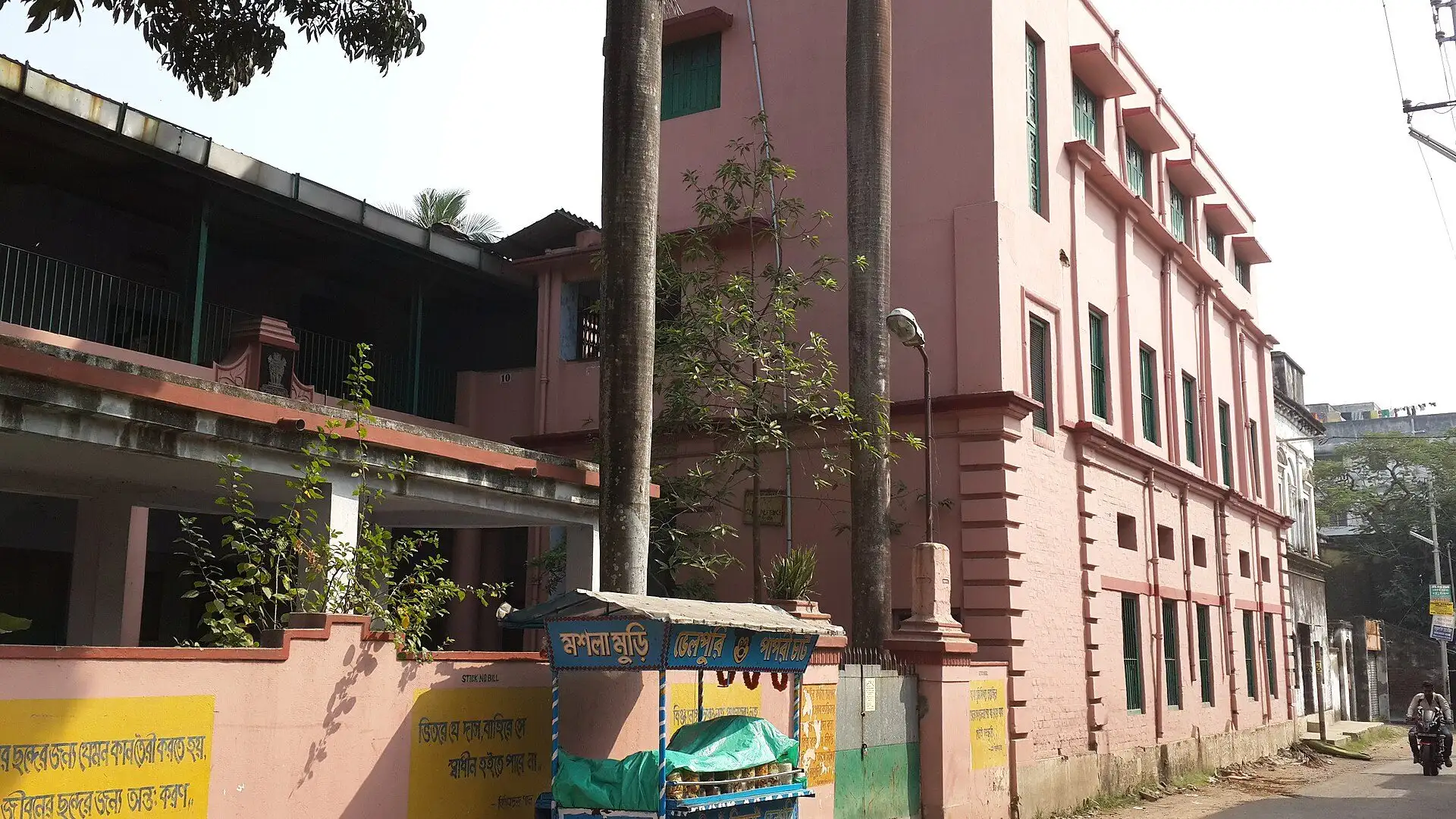
Delhi Police Implements New Security Protocols After Jama Masjid Attack
The Delhi Police has introduced comprehensive security measures at all police stations following a violent incident at the Jama Masjid station.

- Delhi Police introduced new SOPs for all stations following an attack at the Jama Masjid police station.
- New measures include 24/7 armed sentries, restricted gate access, and mandatory visitor screening.
- CCTV surveillance is being intensified with continuous monitoring of station interiors and gates.
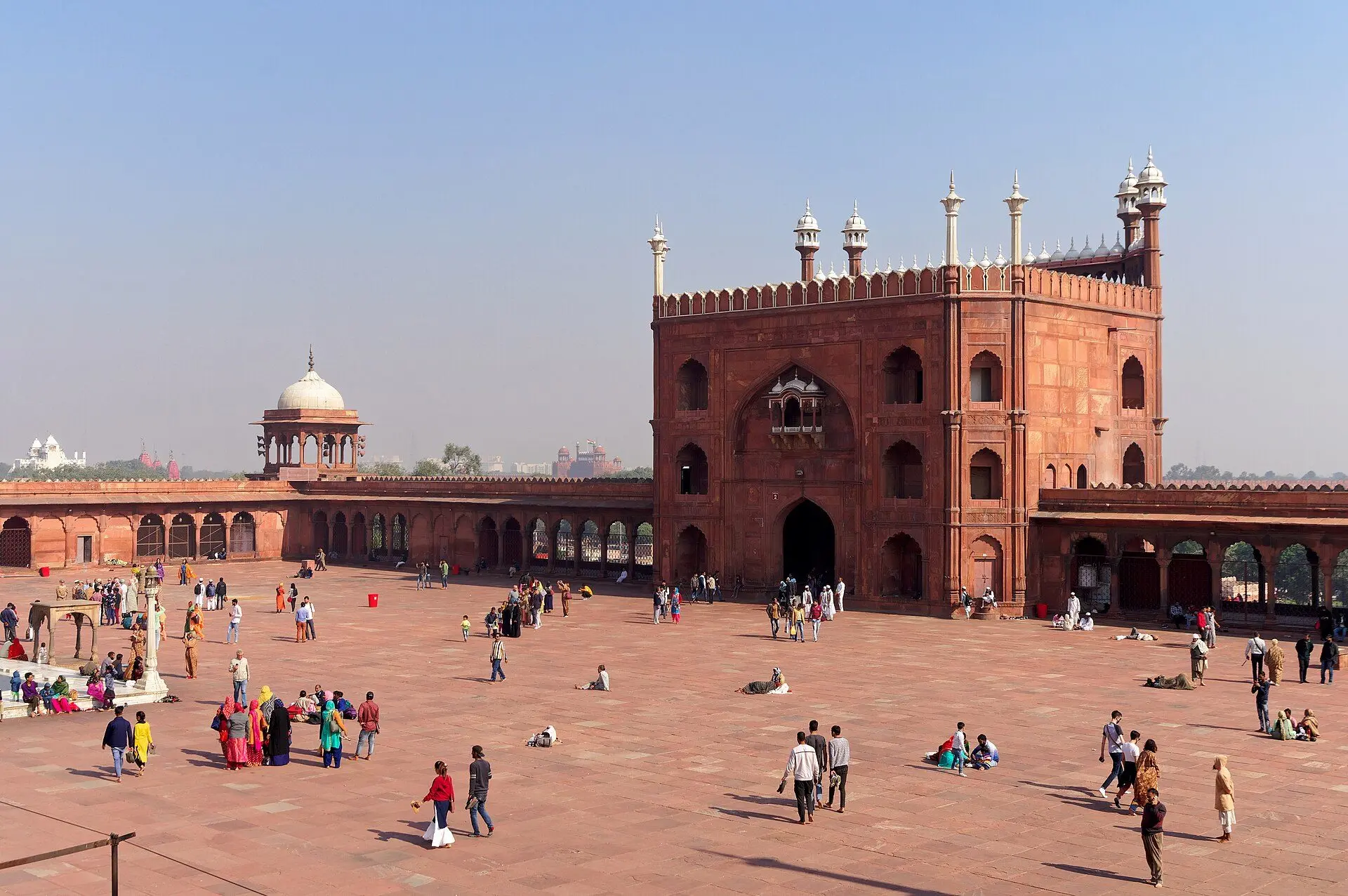
The Delhi Police Headquarters has formally announced a comprehensive overhaul of security measures across all its facilities in the national capital. This move, which introduces new Standard Operating Procedures (SOPs), was prompted by a recent attack on law enforcement personnel at the Jama Masjid police station. Following a high-level meeting among senior officials, authorities determined that existing protocols required immediate strengthening to mitigate risks to police infrastructure and staff.
Enhanced Access and Surveillance Measures
Under the revised directives, every police station will now maintain an armed sentry at its entrance on a 24-hour basis. To strictly control entry, the main gates of these stations will remain closed to the general public, reserved exclusively for the transit of police vehicles. All pedestrians must use smaller, designated access points where security personnel will conduct mandatory frisking and screening of visitors.
Surveillance capabilities are also being intensified, with CCTV cameras monitoring both the interior premises and entrance gates under continuous, active observation. Furthermore, to minimize internal vulnerabilities, investigating officers have been directed to interact with the public only in controlled, designated common areas rather than within private or unmonitored workspaces. Duty officers are now required to remain armed while on emergency response assignments and will be equipped with specialized alarm systems to ensure rapid mobilization during potential crises.
Threat Assessment and Scope of Application
The policy changes come amid heightened concerns regarding the potential for copycat attacks. Intelligence reports have highlighted the modus operandi used by the suspect, identified as Nabeel, in the Jama Masjid incident, suggesting that organized terrorist groups might attempt to emulate such strikes against law enforcement. Officials have specifically noted ongoing security risks linked to Pakistan-based operative Shahzad Bhatti and Khalistani activist Happy Pasia, both of whom have been associated with previous efforts to target police installations in and around Punjab.
These security upgrades cover the entire Delhi policing network, which includes 194 district police stations and 15 specialized cybercrime units. The directives also apply to the city's critical transit-related security infrastructure, encompassing 16 metro police stations, seven railway police stations, and two airport police stations. The implementation of these protocols aims to provide a uniform layer of defense across all regional establishments to prevent further incursions.
- New SOPs mandate 24/7 armed sentries and restricted gate access at all Delhi police stations.
- Visitors are now subject to mandatory frisking and must meet officers in designated common areas.
- The protocols extend to district, metro, railway, and airport police stations across Delhi.
- The Delhi Police Headquarters has formally announced a comprehensive overhaul of security measures across all its facilities in the national capital.
Spotted an error? · Our editorial policy
UP NEXTGovernment Plans Three Legislative Measures for Women’s Quota and House Seat ExpansionOther angles · #Delhi Police
Timeline →- NewsDelhi Police Arrests Five Individuals in Cybercrime Network Crackdown
- NewsDelhi Police Rescue 164 Foreign Nationals in Noida Cyber Slavery Crackdown
- NewsSupreme Court Seeks Response on Plea for Uniform Standard Operating Procedures for Public Protests
- NewsSupreme Court Examines Journalist Protections and Protests Oversight
More from India
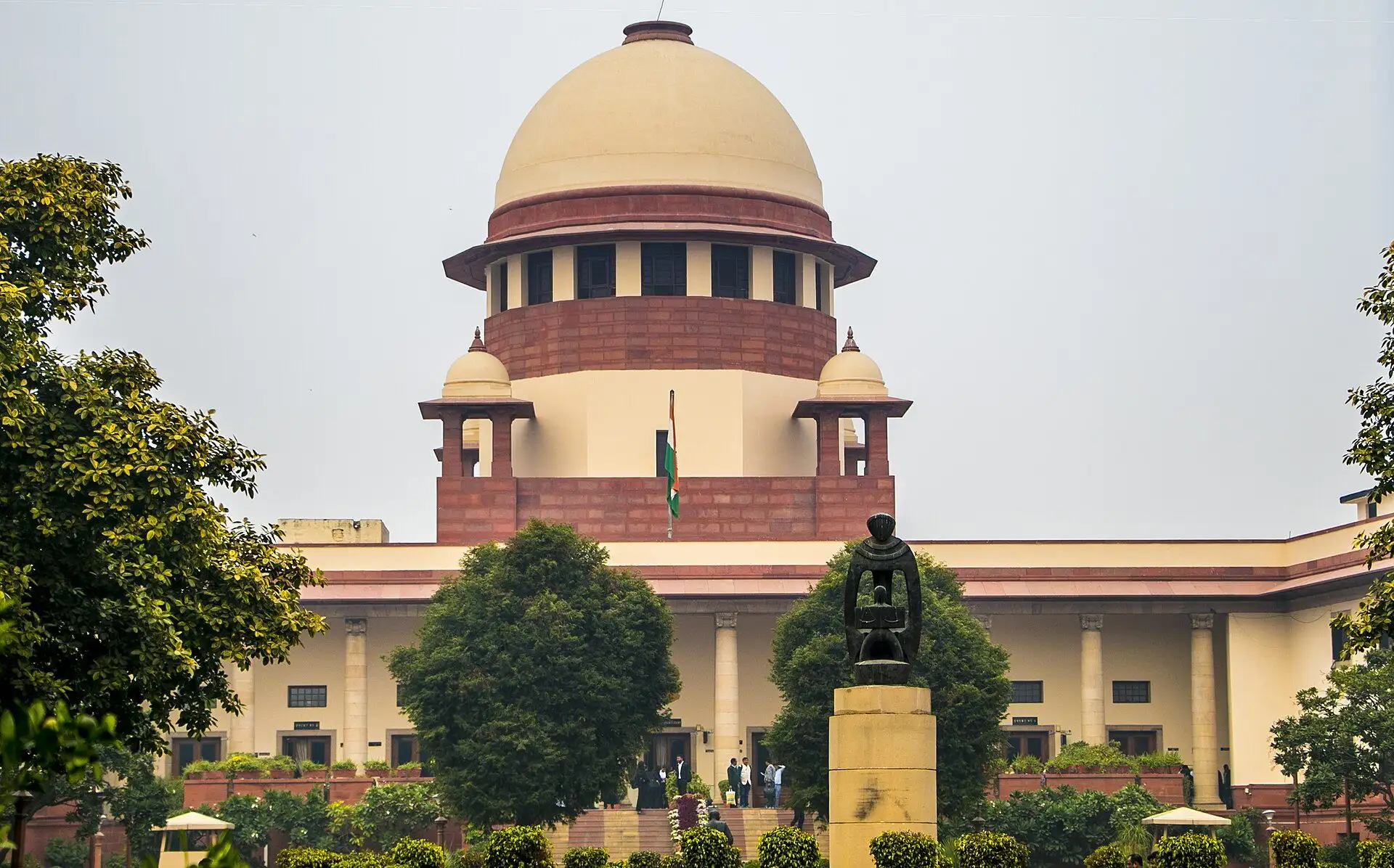
Supreme Court Issues Contempt Notices Over Madurai Temple Lamp Dispute
RSS Chief Mohan Bhagwat Says Lack of Compassion Drives Global and National Crises
Supreme Court Asks Centre to Consider Mother-Based Caste Certificates in Specific Cases