Supreme Court Seeks Response on Plea for Uniform Standard Operating Procedures for Public Protests
The Supreme Court has agreed to examine a petition seeking uniform guidelines and a standard operating procedure for public demonstrations following recent protests in the capital.

- Supreme Court issues notice to Centre and CJP leaders over a plea for protest guidelines.
- Lawyers Voice petition argues protests must respect legal bounds and avoid disrupting public life.
- Citations include an unauthorized 35-day sit-in and an unapproved October gathering leading to 1,500 detentions.
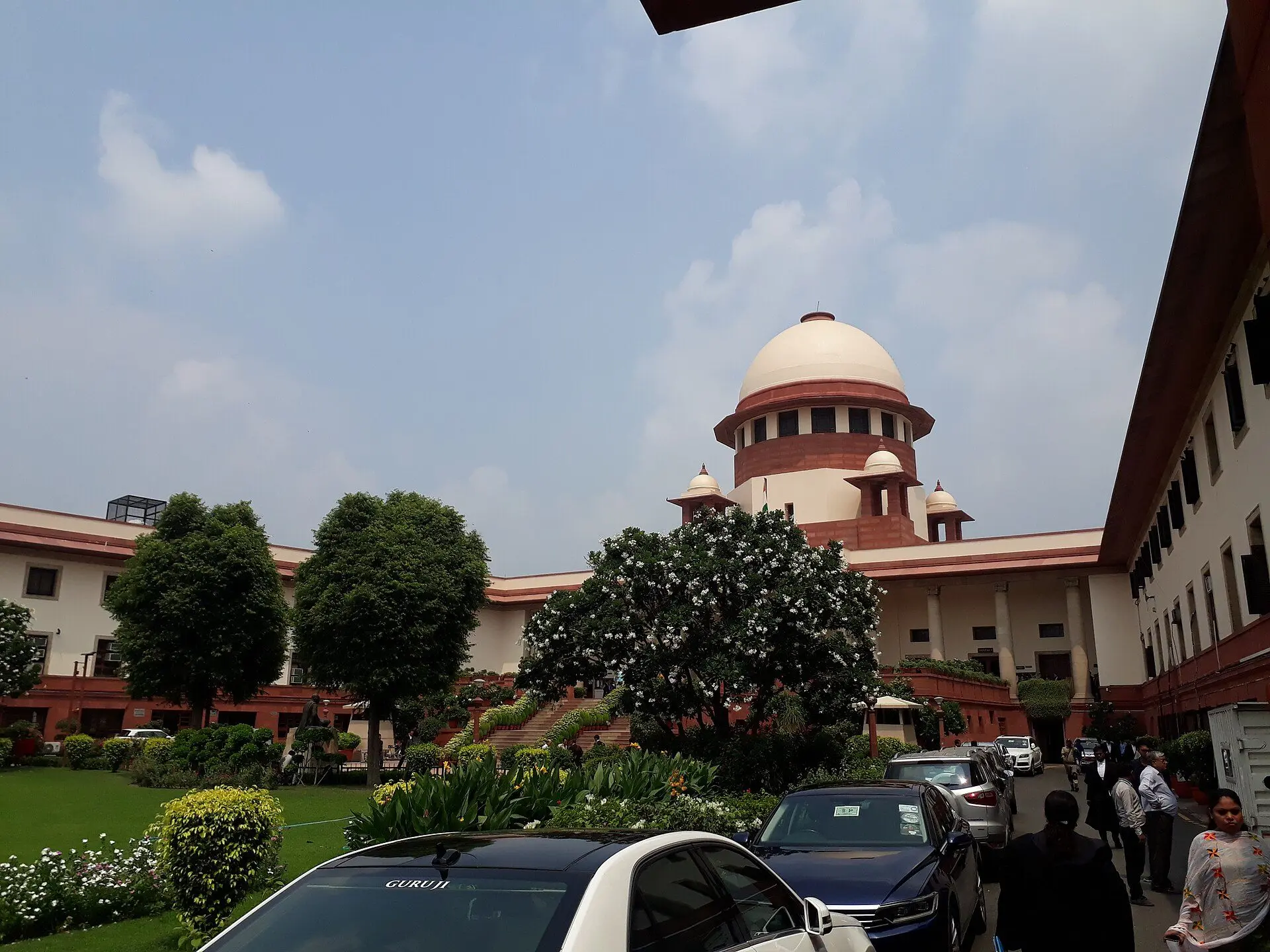
The Supreme Court has agreed to examine a petition filed by a lawyers' organization that requests the formulation of comprehensive and uniform guidelines to regulate public demonstrations. A bench comprising Chief Justice Surya Kant alongside Justices Joymalya Bagchi and V Mohana issued formal notices to the central government and several leaders of the Cockroach Janta Party, including Abhijeet Dipke, Saurav Das, and Ashutosh Ranka. Senior advocate Mahesh Jethmalani represented the petitioner body during the hearing.
Petition Arguments and Background
The petition, brought forward by the association Lawyers Voice, acknowledges that dissent remains a fundamental component of democracy. However, it contends that public protests must remain compliant with legal bounds to prevent paralyzing the capital or disrupting the professional livelihoods of lawyers. The legal filing asks the top court to direct authorities to review, modify, formulate, and implement a standard operating procedure for handling demonstrations that violate applicable laws or valid restrictions, ensuring coordinated action to maintain normal public life.
Incidents Involving the Cockroach Janta Party
The legal plea highlights specific demonstrations organized by the Cockroach Janta Party during July and October 2026. According to media reports cited in the petition, the Delhi Police initially granted a one-time exemption permitting the party to hold a dharna at Jantar Mantar on June 6, 2026, restricted between 10 am and 5 pm based on an organizer undertaking. Similar permission was sought and granted for a single day on June 20, 2026, within the same timeframe, but organizers allegedly failed to discontinue the demonstration when permitted hours expired.
Unilateral Extensions and Subsequent Denials
The petition notes that no time extension was ever granted, yet organizers unilaterally declared an indefinite sit-in that reportedly lasted for roughly thirty-five days until July 25, 2026. During this extended period, a march toward Parliament occurred on July 20, 2026, without official authorization. Furthermore, the plea details that leader Saurav Das submitted a letter on October 7 requesting permission for an October 10 protest at Jantar Mantar involving thousands of anticipated participants.
Police Refusal and Detentions
Delhi Police rejected the October 10 request on October 9 because the intimation arrived only three days prior instead of the mandatory ten days required in advance. Authorities cited past failures by organizers to follow lawful directions and undertakings, basing the denial on public order, public safety, and traffic regulation concerns. Despite the official refusal, organizers maintained their assembly call, resulting in the detention of approximately 1,500 individuals by the forenoon of October 10 to prevent public order breaches, while other media outlets reported even higher detention figures.
- The Supreme Court bench issued notices to the Centre and CJP leaders Abhijeet Dipke, Saurav Das, and Ashutosh Ranka.
- The petition argues that standard operating procedures are needed to handle protests violating legal restrictions.
- Protests by CJP in mid-2026 reportedly exceeded permitted hours and led to thousands of detentions by October.
Spotted an error? · Our editorial policy
UP NEXTMajor Black Friday and Thanksgiving Retail Sales Bring Deep Discounts on Tech HardwareSwipe more stories · Indian PoliticsQuick cards, a few lines each. Tap to open.More from Indian Politics
Supriya Sule to Skip INDIA Bloc Meeting Due to Sharad Pawar’s Hospitalisation
Shashi Tharoor Criticizes DMK Over Stance on Proposed Delimitation and Lok Sabha Seat Increase
Congress Invites DMK to Opposition Strategy Meeting Amid Delimitation Bill Concerns