Centre Claims Support of 371 Lok Sabha MPs for Delimitation and Women Reservation Bill Ahead of Parliament Session
A senior government official stated that the Centre has secured backing from 371 Lok Sabha members to pass the upcoming delimitation-linked constitutional amendment bill, which also proposes a 50 percent increase in SC and ST reserved seats.

- The central government claims the support of 371 Lok Sabha MPs for the delimitation-linked constitutional amendment bill.
- The Constitution (132nd Amendment) Bill, 2026, proposes raising the Lok Sabha's maximum strength to 850 seats and state assemblies to 650 seats.
- Reserved seats for Scheduled Castes and Scheduled Tribes will increase by 50 percent, incorporating a 33 percent women's quota.
The central government announced it has gathered the backing of 371 Lok Sabha members ahead of the special session of Parliament scheduled to begin on November 30. A senior government functionary stated that this tally exceeds the two-thirds majority requirement of 360 votes needed in the 543-member House to pass the constitutional amendment legislation. The Modi administration is set to introduce the fresh legislation in the Lok Sabha on Monday. According to the official, the projected numbers combine the ruling National Democratic Alliance's estimated 354 MPs with additional support from opposition and regional factions, including the DMK, NCP(SP), BRS, and a breakaway faction contributing 20 MPs from the TMC.
Proposed Seat Increases and Reservation Framework
The proposed Constitution (132nd Amendment) Bill, 2026, aims to raise the maximum capacity of the Lok Sabha to 850 seats, consisting of up to 815 representatives from states and 35 from Union Territories. State legislative assemblies are also slated to see their maximum capacity expanded from 500 to 650 seats. Within this expanded framework, seats designated for Scheduled Castes and Scheduled Tribes will experience a 50 percent increase. Furthermore, a 33 percent reservation for women will be embedded directly inside these reserved SC and ST constituencies. The official explained that the uniform enlargement strategy is designed to alleviate anxieties among southern states regarding population-based boundary adjustments that might otherwise diminish their legislative weight despite successful population stabilization efforts.
Structure of the Delimitation Commission
The planned legislation outlines the creation of a Delimitation Commission tasked with redrawing constituency boundaries, operating under rules mirroring the 1957 Act aside from the integration of the women's reservation mandate. The commission will be headed by a chairman who must be a sitting or retired judge of the Supreme Court, appointed by the central government. Additional members will include the Chief Election Commissioner or a designated election commissioner nominated by the CEC, alongside the respective state election commissioner for individual state exercises. Associate members will comprise five Lok Sabha MPs nominated by the Lok Sabha Speaker and five MLAs nominated by the respective state assembly speaker, with selections reflecting party strengths in each legislature. The finalized report of the Delimitation Commission must be presented before Parliament, where the House retains the power to modify or reject the findings.
Timeline and Implementation Targets
The government functionary emphasized that advancing the legislation immediately is critical for operational readiness. If enacted during the current legislative push, the redrawn boundaries and women's reservation system can be successfully deployed for the 2029 Lok Sabha elections, whereas a delay would postpone implementation until 2034. Following the execution of the upcoming boundary redrawing exercise, the revised seat allocations and constituency limits are proposed to remain frozen until the year 2051. The special session starting on November 30 will serve as the venue where the administration formally tables these delimitation-linked legislative measures for parliamentary consideration.
- Centre reports backing from 371 MPs, exceeding the 360-vote threshold for a two-thirds majority.
- SC and ST seats will increase by 50 percent with a 33 percent women's quota included.
- Lok Sabha maximum capacity will rise to 850 seats under the proposed 2026 amendment.
- Revised boundaries and allocations will remain frozen until 2051.
Spotted an error? · Our editorial policy
UP NEXTViolence erupts in Bangladesh as Hasina’s supporters clash with rivals ahead of planned returnOther angles · #Delimitation Bill
Timeline →- NewsRohit Pawar urges Supriya Sule to oppose delimitation Bill, warning of ideological betrayal
- NewsBRS Defends Support for New Delimitation Bill and Challenges Congress on Alternative Formulas
- NewsMaharashtra Congress Leader Vijay Wadettiwar Offers Public Apology and Retirement After Calling Sharad Pawar a Backstabber
- NewsMaharashtra Congress MLA Vijay Wadettiwar Offers Public Apology and Political Exit to Sharad Pawar Over Delimitation Bill Stance
More from Indian Politics
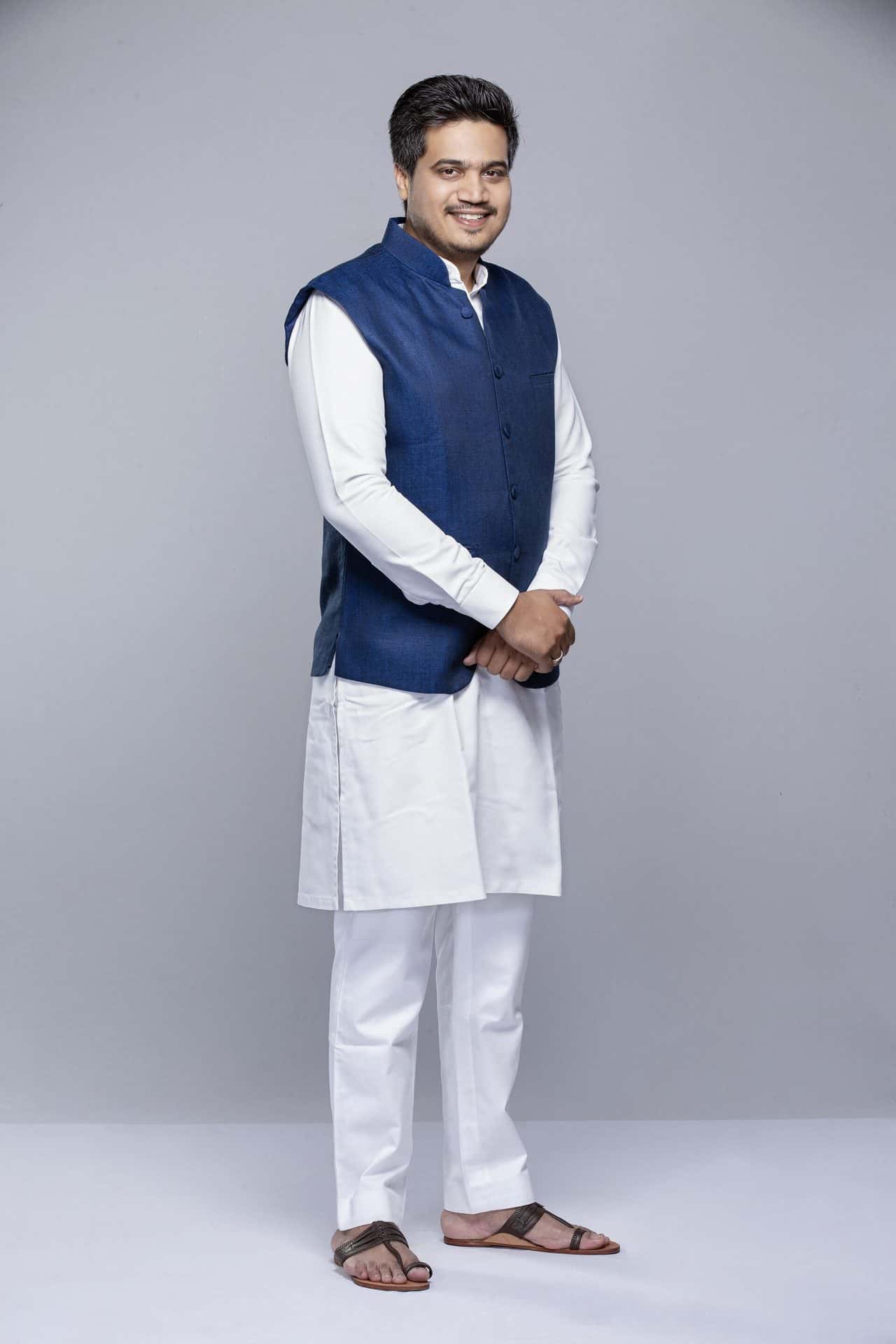
Rohit Pawar urges Supriya Sule to oppose delimitation Bill, warning of ideological betrayal
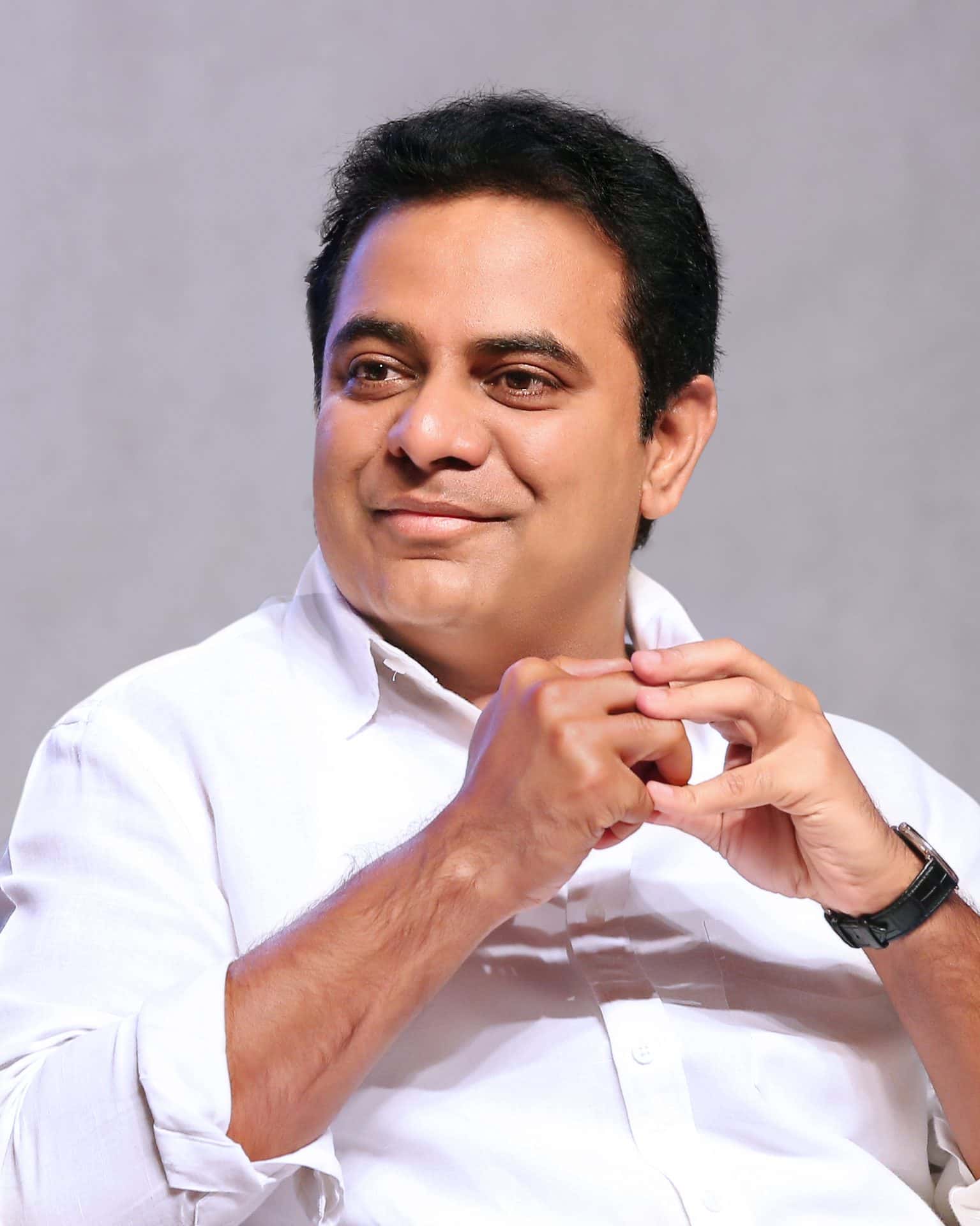
BRS Defends Support for New Delimitation Bill and Challenges Congress on Alternative Formulas
Proposed Uniform Seat Increase Could Lift Lok Sabha Strength to 824 and Protect State Representation