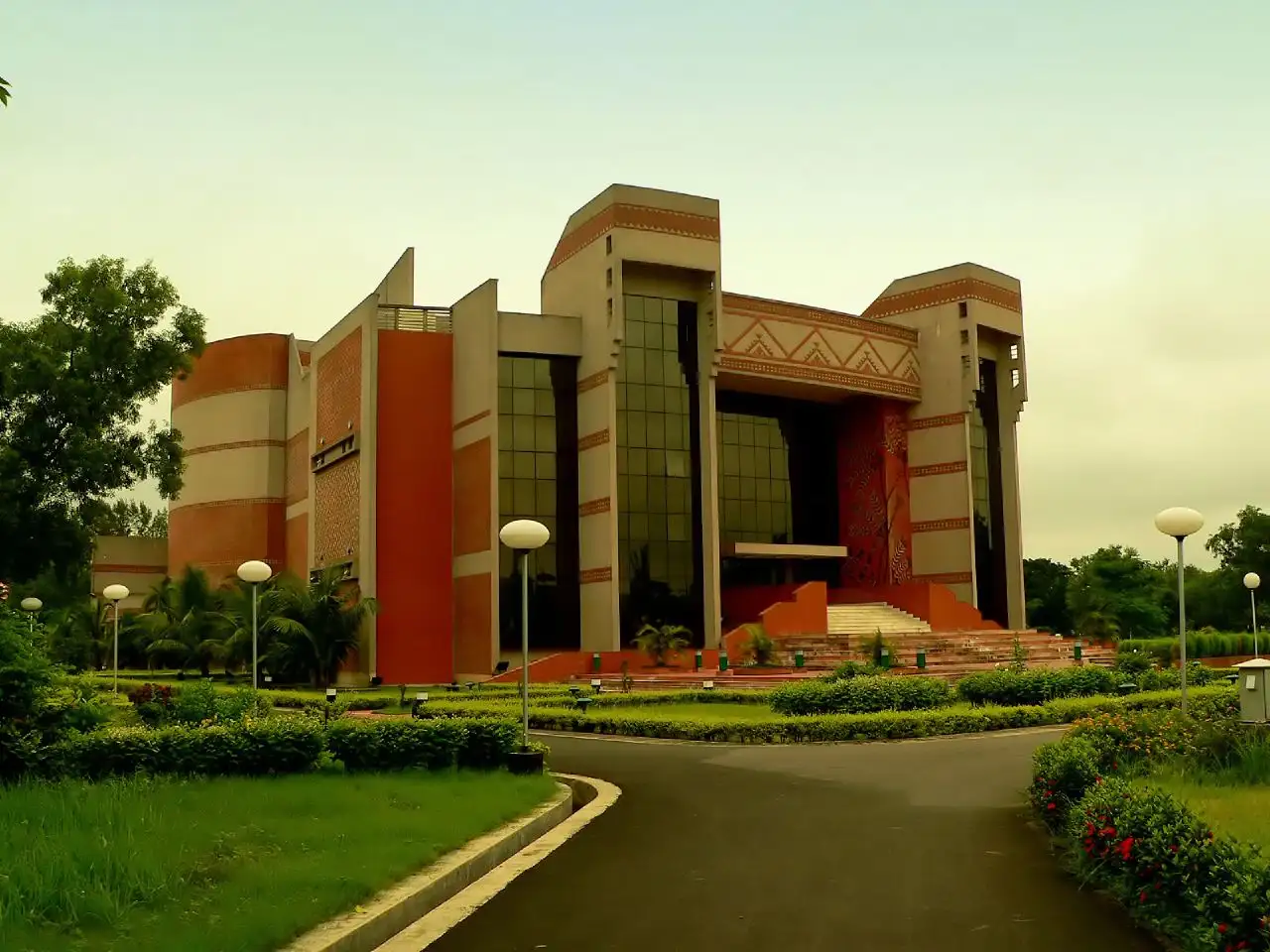
IITs to Introduce 6,000 New Seats in Robotics, AI and Space Tech Starting 2027
The Indian Institutes of Technology plan to introduce approximately 6,000 seats across undergraduate, master’s, and doctoral programmes in robotics, physical artificial intelligence, and space technology starting in 2027.

- IITs plan to add 6,000 seats in robotics, physical AI, and space technology starting in 2027.
- The Bhupat and Jyoti Mehta Family Foundation is collaborating on the initiative.
- Expansion includes 5,000 seats for robotics and AI, and 1,000 seats for space engineering across BTech, master's, and PhD levels.
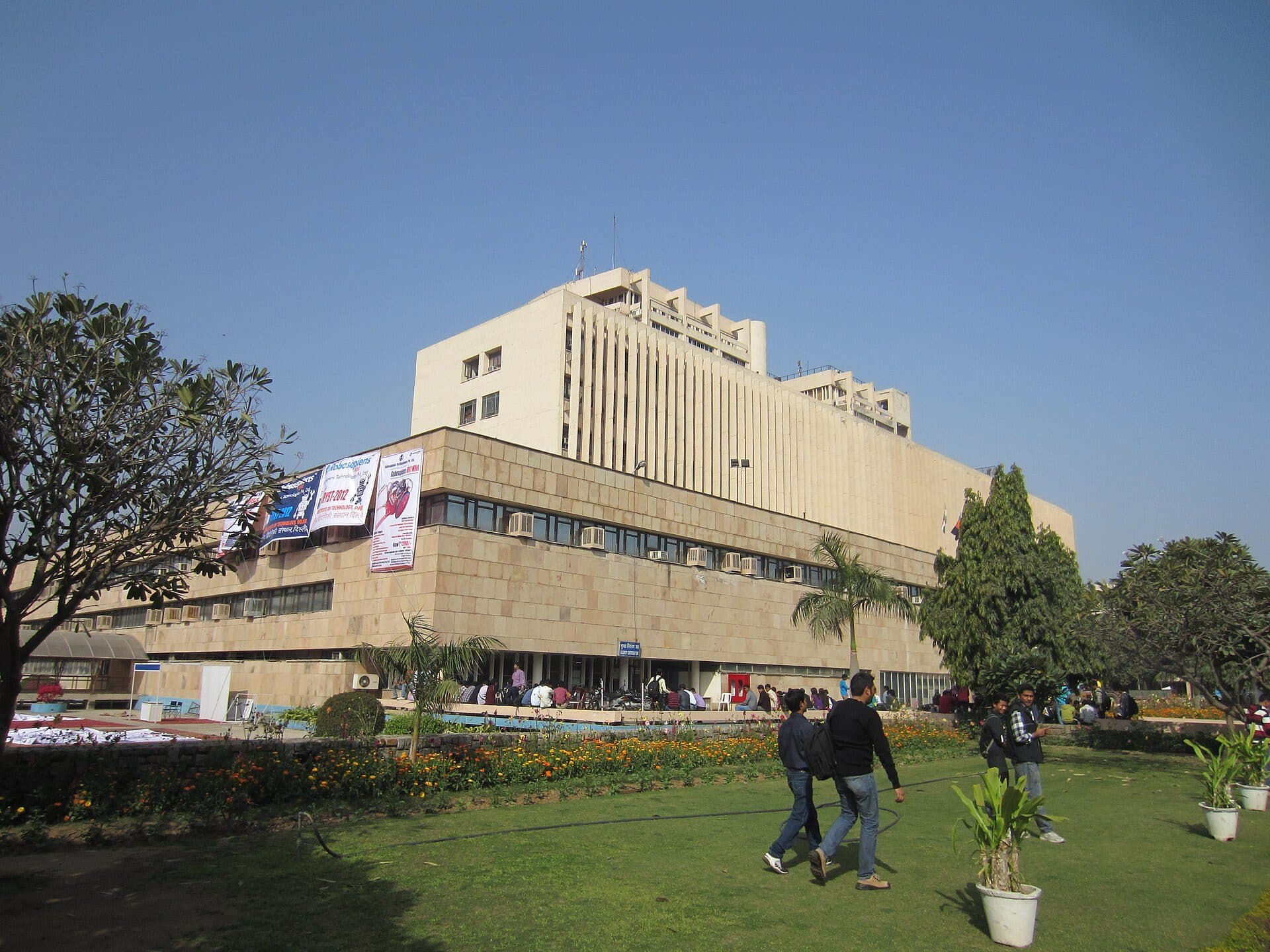
The Indian Institutes of Technology (IITs) are planning to introduce around 6,000 seats in specialised emerging disciplines over the next eight to 10 years. The initiative, expected to launch its first batches in 2027, aims to expand academic opportunities beyond conventional branches like computer science, mechanical engineering, and civil engineering. The expansion will span undergraduate, master's, and doctoral levels, supported by more than 100 to 120 dedicated faculty members.
Seat Distribution and Curriculum Focus
According to the reports, 5,000 of the total seats will be dedicated to robotics and physical artificial intelligence, comprising 2,500 Bachelor of Technology (BTech) positions, 1,200 master's positions, and 1,300 PhD positions. The remaining 1,000 seats will be allocated to space engineering and technology, including 500 BTech, 300 master's, and 200 PhD positions. The robotics and physical AI curriculum will combine mechanical and electrical engineering with computer-based technologies, machine learning, computer vision, sensing, and control systems. Students are expected to gain hands-on experience in hardware and software development, tackling research areas such as digital twins, foundation models, humanoid and legged robots, soft robotics, and swarm systems, with potential applications in healthcare, defense, agriculture, and industrial manufacturing.
Space Technology and Institutional Collaboration
The initiative also features a proposed School of Space Science and Technology at one of the participating institutes, focusing on satellite navigation, human spaceflight, and space robotics. The entire expansion is being executed in partnership with the Bhupat and Jyoti Mehta Family Foundation, which has previously collaborated with six IITs since 2019 to establish eight schools and centres across various fields. Specific participating institutes, the exact host of the space school, admission processes, eligibility criteria, and fee structures have not yet been announced by the foundation or the individual institutions.
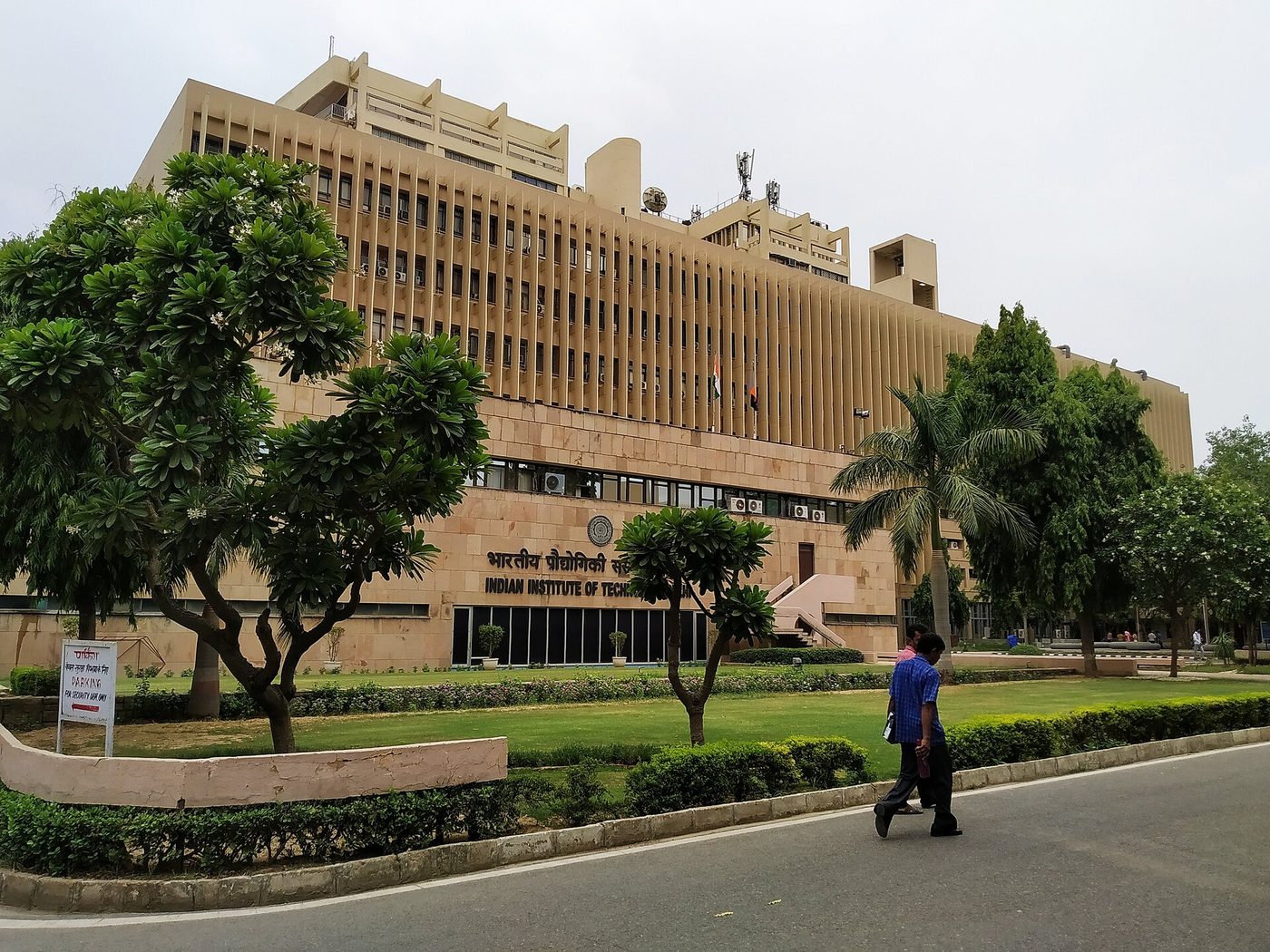
- First student batches are expected to begin in 2027, phased over eight to 10 years.
- Curriculum includes industry-linked projects, a paid industry-residency semester, and applications in healthcare, defence, and agriculture.
- Specific participating IITs and admission details have not yet been disclosed.
Spotted an error? · Our editorial policy
UP NEXTMajor Black Friday and Thanksgiving Retail Sales Bring Deep Discounts on Tech HardwareOther angles · #Artificial Intelligence
Timeline →- NewsNvidia Co-Founder Jensen Huang Returns to Leadership Amid Industry Backlash and Political Intervention
- NewsSoftware Firm SAP Plans Workforce Reduction of At Least 10,000 Positions for AI Shift
- NewsNvidia Halts AI Server Hardware Shipments to Four Southeast Asian Nations
- NewsElon Musk Pledges SpaceX Shares Worth Billions to American Children Following Satellite Approval
More from Education
Chandigarh University Hosts Sixth FAP National Awards to Honor Private Education Contributors
IIT Madras Launches GATE 2027 Paper-Wise Mock Tests Ahead of February Exams
Ten Former Chief Justices Open India’s First CJI Museum at O.P. Jindal Global University