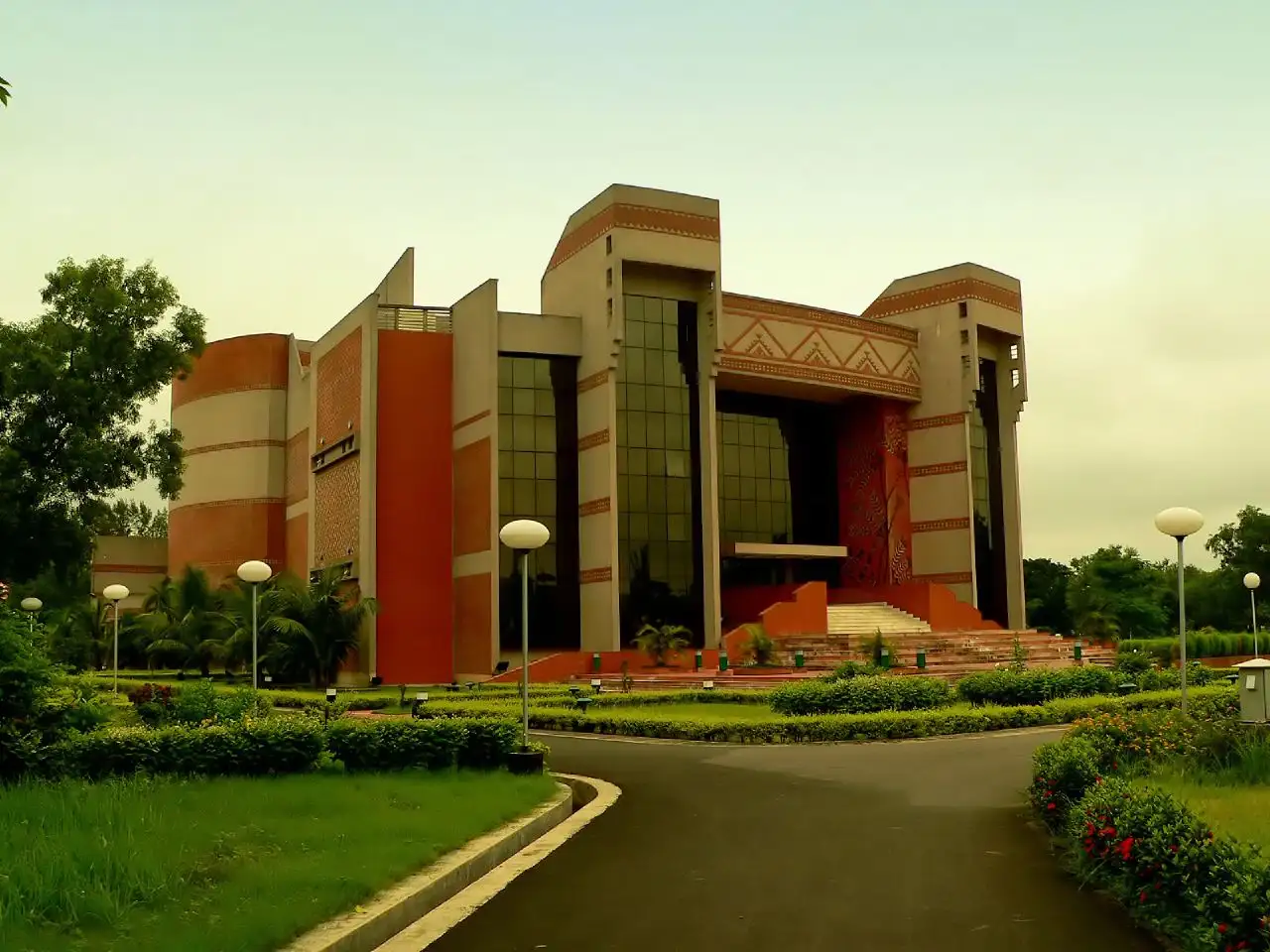
Ten Former Chief Justices Open India’s First CJI Museum at O.P. Jindal Global University
Ten former Chief Justices of India gathered in person or virtually to inaugurate the country’s first Chief Justices of India Museum at O.P. Jindal Global University in Sonipat on the eve of Constitution Day.

- Ten former Chief Justices of India inaugurated the nation's first CJI Museum at O.P. Jindal Global University in Sonipat.
- The museum features five galleries containing over 280 busts of Supreme Court judges, 25 high court models, and a holographic courtroom.
- Former justices discussed judicial independence, representation for marginalized groups, and the evolution of Indian jurisprudence during the event.
Ten former Chief Justices of India, participating either in person or via virtual platforms, inaugurated the country's first Chief Justices of India Museum at O.P. Jindal Global University located in Sonipat, Haryana. Held on the eve of Constitution Day, the opening brought together a significant assembly of judicial leaders to honor the institution and individuals who shaped the constitutional framework of the republic. The commemorative facility, titled 'Guardians of the Republic,' was designed to merge judicial history with technology, art, and personal testimony to illustrate how the judiciary influences national development.
Museum Features and Galleries
Spanning across five distinct galleries, the newly opened museum houses over 280 busts of Supreme Court judges alongside models representing 25 high courts across the nation. Visitors can explore 22 language tapestries, 20 interactive biographical pillars detailing the lives of chief justices, and displays highlighting 20 defining legal judgments. Additionally, the venue includes a holographic courtroom setup, various sculptures, artworks, and an extensive oral-history project featuring recorded reflections from former chief justices and judges.
Leadership Remarks and Perspectives
O.P. Jindal Global University Founding Chancellor Naveen Jindal stated that the institution extends the vision of their existing Constitution Museum by highlighting the Supreme Court's role in safeguarding constitutional values. Founding Vice Chancellor Professor C. Raj Kumar explained that the museum presents the office of the chief justice as a living entity that has interpreted and strengthened the Constitution through various stages of national transformation. Former Chief Justice M.N. Venkatachaliah noted that democratic ideals, freedom, and the rule of law remain the primary drivers of the nation's economic growth and will help nurture future legal practitioners.
Reflections on Judicial Growth and Representation
Justice B.R. Gavai expressed humility regarding his appointment coming from a simple background and highlighted that his tenure worked to ensure wider representation for Scheduled Castes, Scheduled Tribes, minorities, and women in alignment with Dr. B.R. Ambedkar's vision. Justice U.U. Lalit observed that the facility traces the parallel evolution of jurisprudence and the nation, pointing out that India advanced from having low literacy and no food security at independence to achieving self-sufficiency through various judicial and national interventions. Justice Sharad A. Bobde recalled his administrative duties during the COVID-19 pandemic, noting efforts to establish online hearings that kept the Indian Supreme Court operational on all working days.
Educational Objectives and Public Confidence
Justice Dipak Misra emphasized that universities foster knowledge and liberty, asserting that judges must discard conditioned thoughts that conflict with constitutional principles. Justice S. Rajendra Babu remarked that the Supreme Court expanded from eight judges upon its establishment in 1950 to 38 judges, reflecting a substantial rise in litigation complexity involving state powers and citizen rights, while adding that public understanding is vital for earning judicial confidence.
- Ten former CJIs participated in the museum's inauguration ahead of Constitution Day.
- The facility 'Guardians of the Republic' contains five galleries with digital installations, busts, and high court models.
- Several former justices delivered remarks on judicial history, representation, and the rule of law.
Spotted an error? · Our editorial policy
UP NEXTGovernment Plans Three Legislative Measures for Women’s Quota and House Seat ExpansionSwipe more stories · EducationQuick cards, a few lines each. Tap to open.More from Education
Chandigarh University Hosts Sixth FAP National Awards to Honor Private Education Contributors
IIT Madras Launches GATE 2027 Paper-Wise Mock Tests Ahead of February Exams