Tata Sons Files Caveats in Two Courts After High Court Declines to Halt Board Meeting
Tata Sons has filed protective caveats in the Bombay High Court and the Supreme Court after a judge refused to defer a crucial board meeting or restrain the chairman from using his casting vote.

- Tata Sons filed caveats in Bombay High Court and Supreme Court on November 28, 2026
- Bombay High Court refused to defer November 30 board meeting or restrain chairman's casting vote
- Trusts challenge Chandrasekaran's reappointment citing violation of Article 121 of AoA
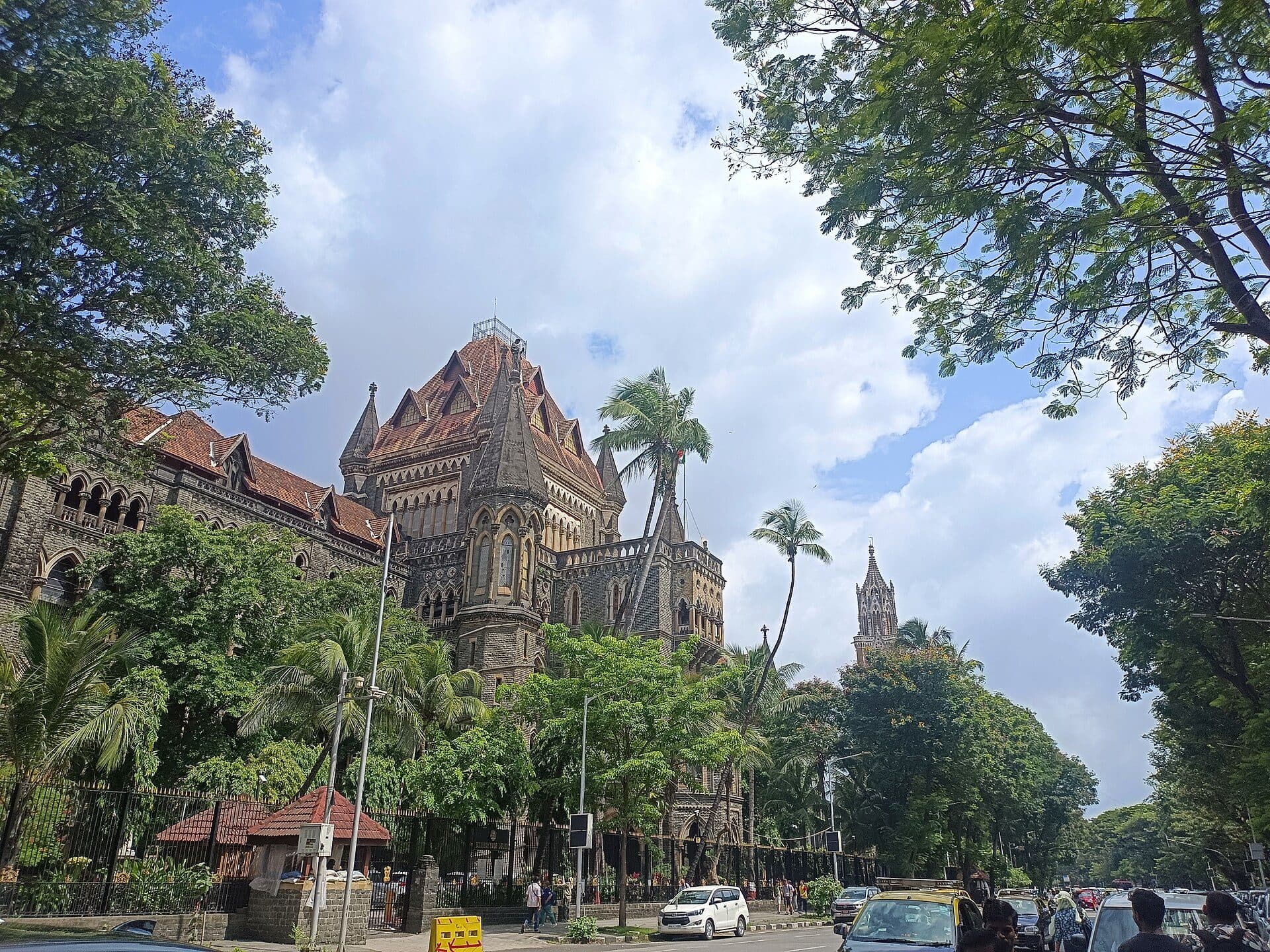
Tata Sons moved swiftly on Saturday to file caveats in both the Bombay High Court and the Supreme Court, a procedural step that guarantees the company will be heard if the two Tata trusts decide to appeal a Friday ruling. The trusts, Sir Dorabji Tata Trust and RD Tata Trust, had sought an urgent injunction to either postpone the November 30 board meeting of Tata Sons or prevent chairman N Chandrasekaran from exercising a casting vote in the event of a deadlock among nominee directors. Justice Abhay Ahuja declined to grant any immediate relief, stating that the meeting may proceed as scheduled while remaining subject to the court's final orders.
Trusts challenge chairman's reappointment and seek damages
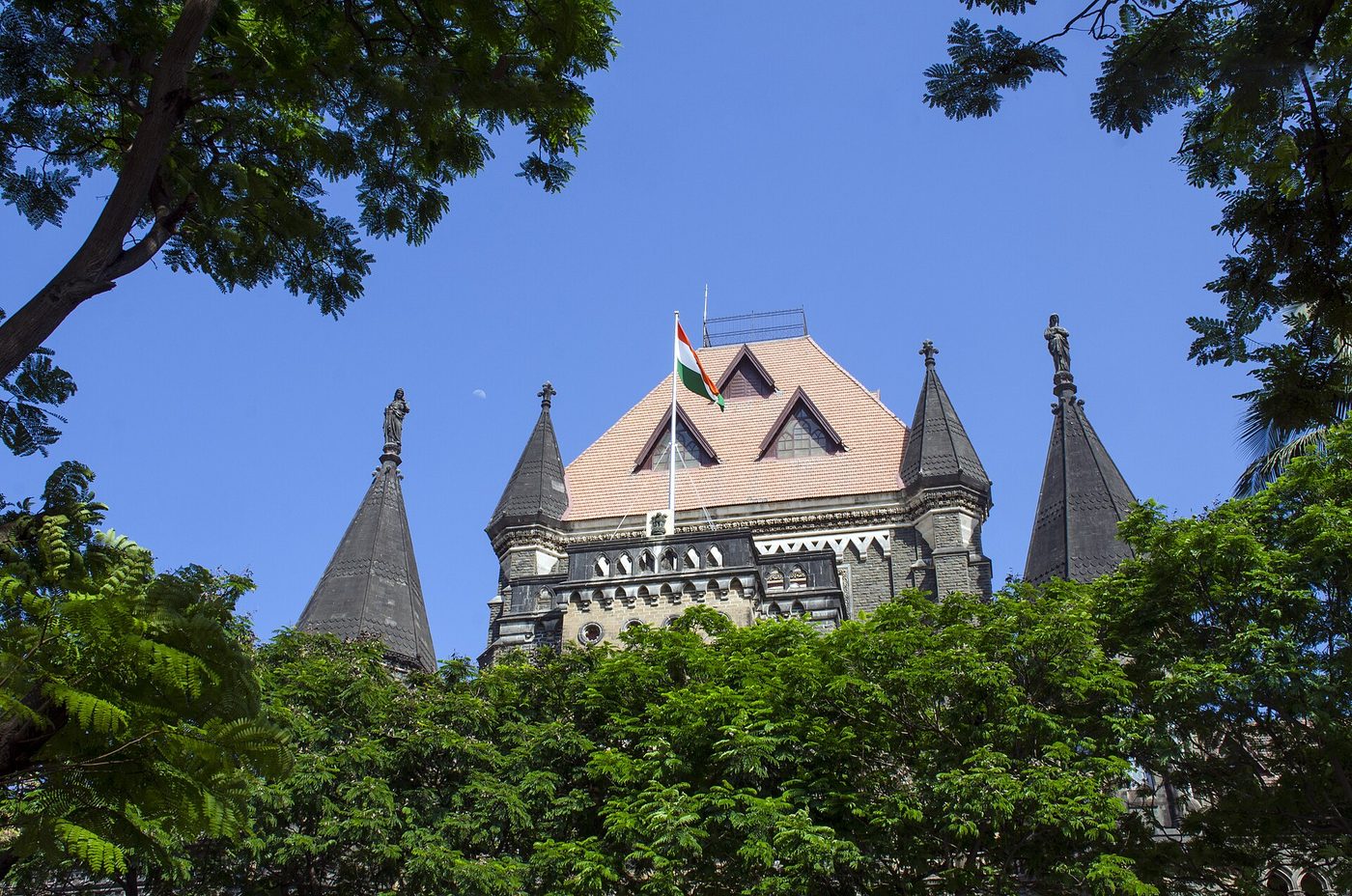
The legal confrontation stems from two suits filed on Thursday in which the trusts challenge the September 17 board resolution that reappointed Chandrasekaran as executive chairman for a third five-year term. According to the pleadings, the resolution is invalid because it failed to secure the affirmative vote mandated by Article 121 of Tata Sons' Articles of Association. The Sir Dorabji Tata Trust has claimed ₹50 crore in damages with 18 percent annual interest, while the RD Tata Trust has demanded ₹15 crore on the same terms. Both trusts argue that the chairman's casting vote at the upcoming board meeting could prejudice their position if nominee directors split on key decisions.
High Court sets timeline for replies and further hearing
During Friday's hearing, counsel for the trusts also pressed for a deferral of the November 30 meeting, a request opposed by Tata Sons. The bench directed Tata Sons and the six respondent directors to file reply affidavits addressing the suits and posted the matter for the next hearing on January 18, 2027. Until then, the board meeting will go ahead, but any outcomes will remain contingent on the court's eventual judgment. The caveats filed by Tata Sons on Saturday ensure that the company receives notice and an opportunity to respond should the trusts approach either court with an appeal against the refusal of interim relief.
Ownership dispute and regulatory pressure add complexity
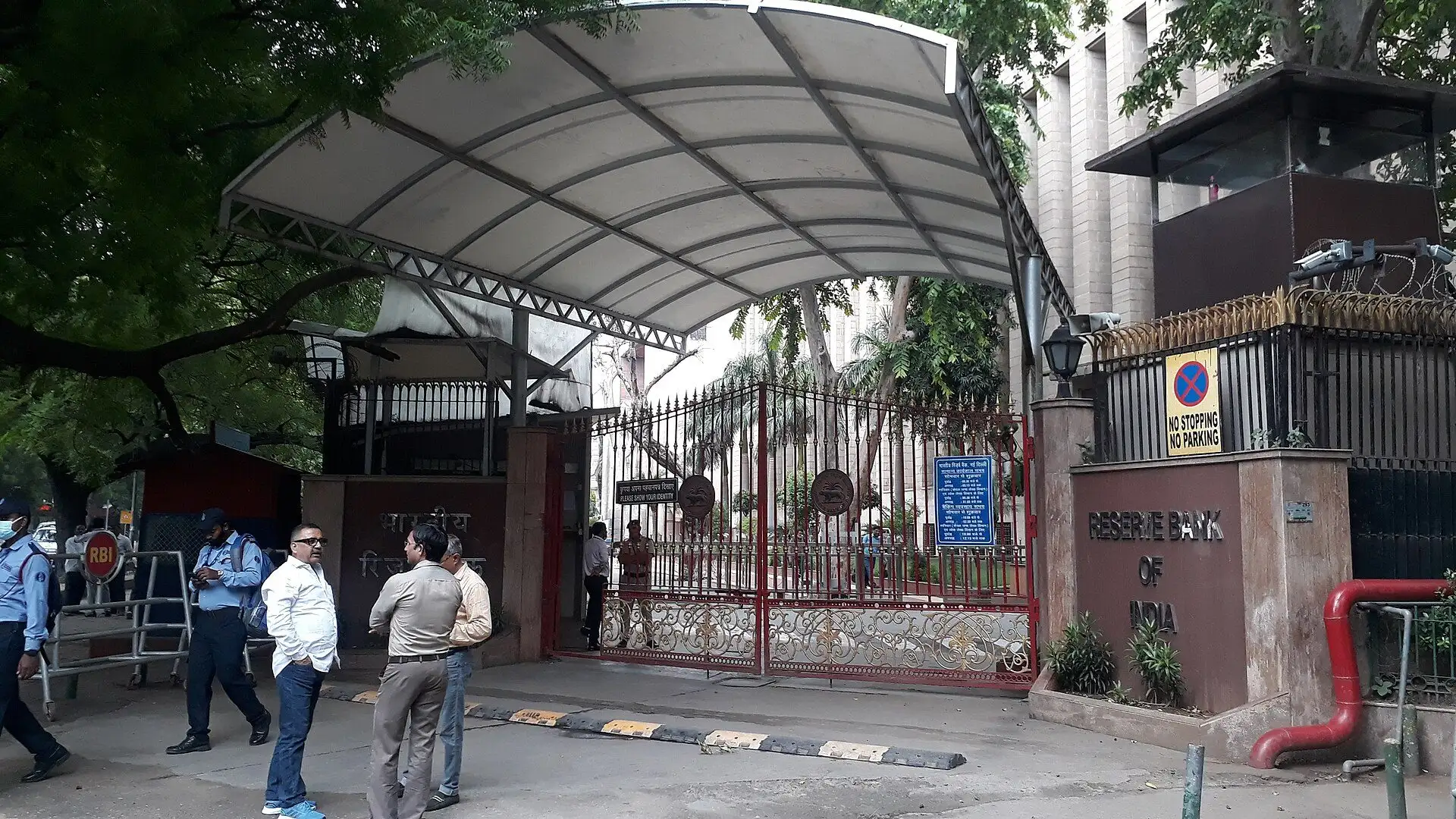
The litigation reflects a deeper governance struggle between the Tata Trusts, which collectively hold a 66 percent stake in Tata Sons, and the holding company's management. Noel Tata, chairman of Tata Trusts, has been advocating for a restructuring of the conglomerate to avoid a mandatory initial public offering. The Reserve Bank of India has classified Tata Sons as an upper-layer non-banking financial company, a designation that triggers a listing requirement. This regulatory mandate has intensified the disagreement over strategic direction, with the trusts seeking to preserve control while the board pursues the reappointment of its current chairman.
Next steps hinge on appellate moves and board proceedings
With the caveats in place, Tata Sons has fortified its procedural position ahead of any potential appeal by the trusts. The November 30 board meeting will now proceed under the shadow of ongoing litigation, and its decisions could be scrutinized in the January hearing. The trusts retain the option to approach higher courts, but the High Court's refusal to intervene on an interim basis suggests a high threshold for disrupting the scheduled meeting. Meanwhile, the broader contest over the company's structure and leadership remains unresolved, setting the stage for an extended legal and corporate battle.
- Tata Sons secured procedural safeguards via caveats in two courts
- High Court declined interim relief but kept final judgment pending
- Trusts allege board resolution violated company's Articles of Association
- Dispute intertwines leadership succession with RBI-mandated listing pressure
Spotted an error? · Our editorial policy
UP NEXTDMK Endorses Delimitation Bill After Key Demands MetOther angles · #corporate governance
Timeline →- NewsBombay High Court Permits Tata Sons Board Meeting to Proceed Despite Trusts’ Challenge
- NewsNvidia Co-Founder Jensen Huang Returns to Leadership Amid Industry Backlash and Political Intervention
- NewsNvidia Reinstates CEO Jensen Huang Amid Controversy Over Sexual Misconduct Allegations and Political Pressure
- NewsDonald Trump Shares AI-Generated Image of Jensen Huang Following NVIDIA Reinstatement
More from Business
FSSAI Sanctions Prosecution Against Bisleri Over Water Quality Violations
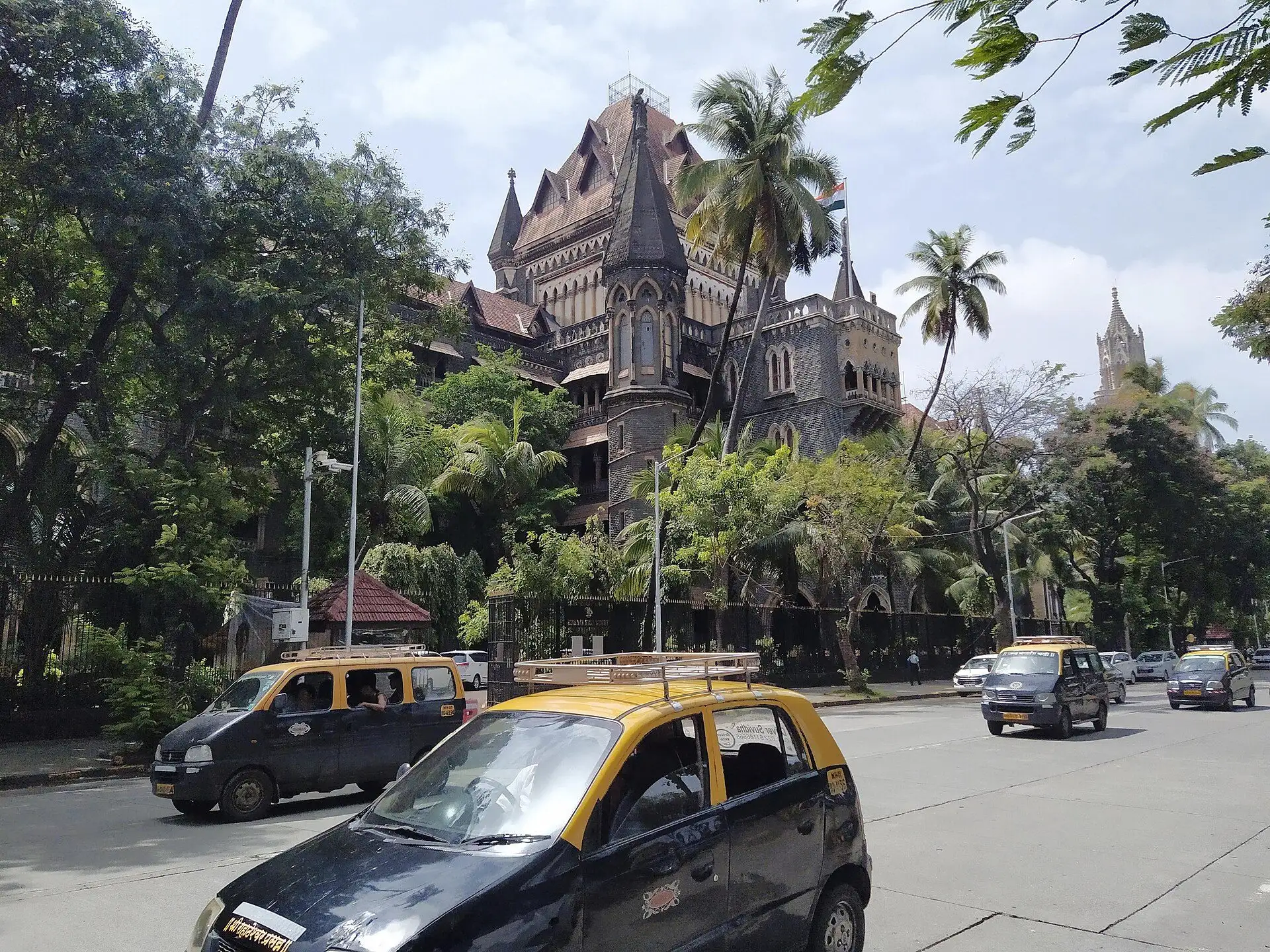
Bombay High Court Permits Tata Sons Board Meeting While Denying Interim Relief to Tata Trusts
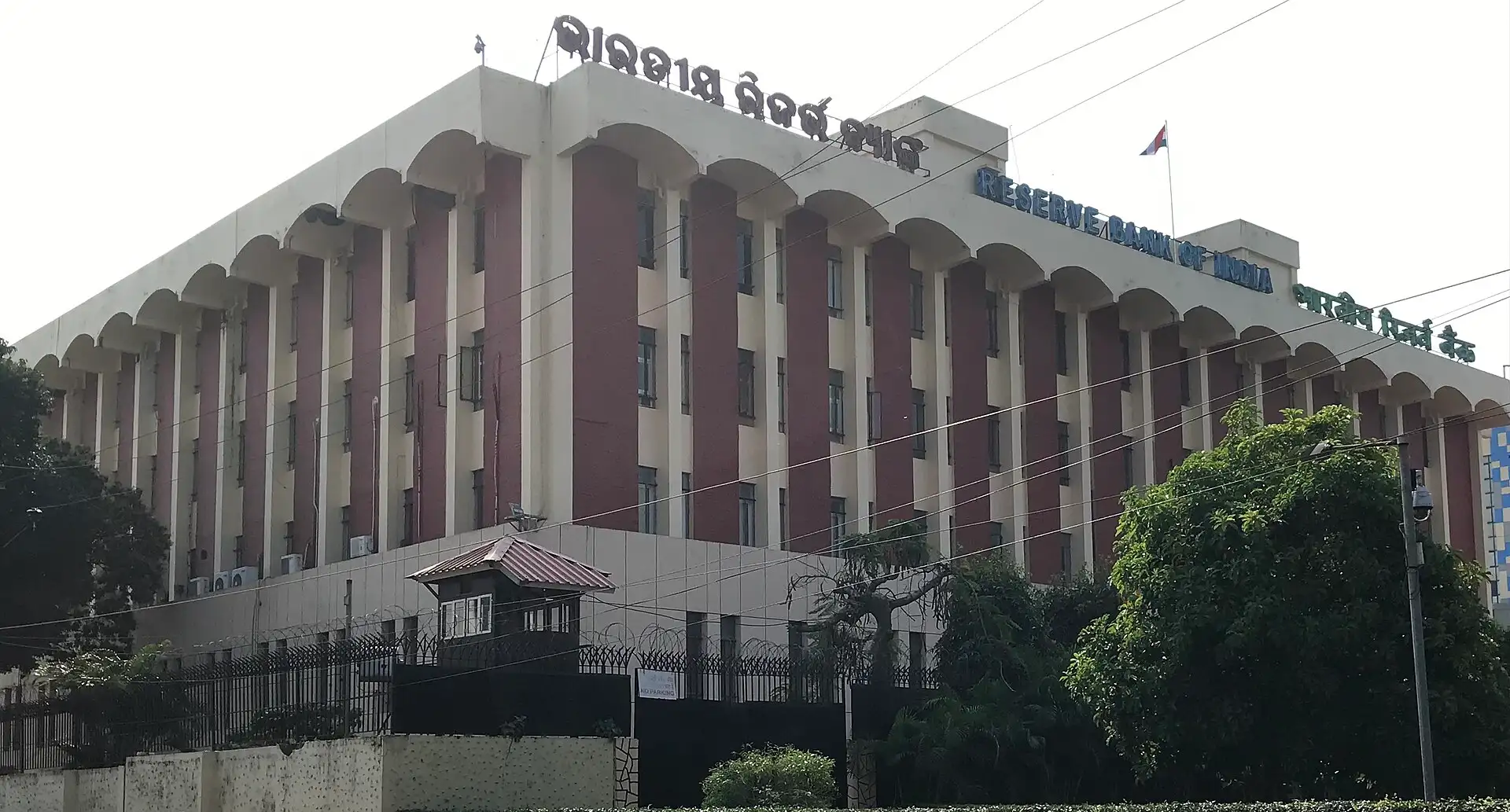
RBI Introduces Amended KYC Norms and SOP for Payment Banks to Combat Financial Frauds