India Rejects US Excess Capacity Allegations While Seeking Bilateral Trade Deal
The Union government has rejected United States allegations of structural excess manufacturing capacity while affirming its commitment to finalizing an early bilateral trade agreement.

- India rejected US allegations of structural excess manufacturing capacity in any sector.
- The US proposed 25 percent tariffs on Indian imports, capped at 17 percent if a trade deal is concluded.
- The Commerce Ministry stated that India is examining the USTR notice and remains committed to an early trade pact conclusion.
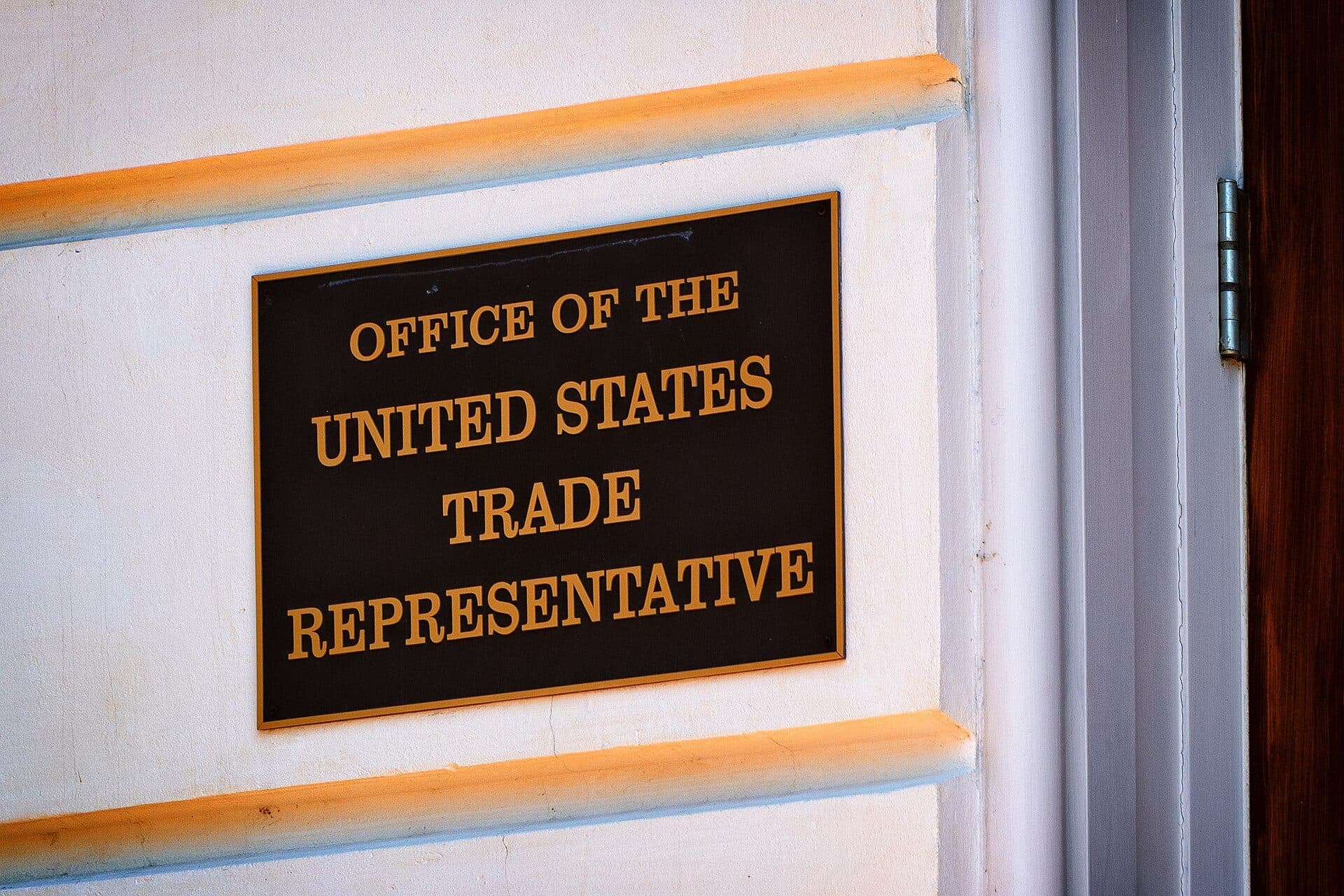
The Union government announced its firm commitment to collaborating closely with the United States to secure an early bilateral trade agreement. At the same time, the administration formally rejected Washington's claims that the country maintains structural excess manufacturing capacity across its industrial sectors.

Tariff Proposals and USTR Investigations
The government's official response followed a Wednesday announcement by the United States proposing baseline import tariffs of 25 percent on Indian goods. Under the proposed framework, these duties would drop to 17 percent if both nations successfully conclude a bilateral trade pact. This dual-rate mechanism was introduced following widespread investigations conducted by the United States Trade Representative into 16 economic jurisdictions, including India, China, the European Union, Mexico, and Japan, regarding manufacturing overproduction.
The Commerce Ministry stated that authorities are actively examining the Notice of Determination and Request for Comments issued by the USTR. Officials emphasized that India participated constructively in the investigation proceedings, consistently maintaining that no domestic sector suffers from structural overcapacity. Furthermore, New Delhi reiterated its stance that any trade-related disputes should be resolved directly through ongoing bilateral trade discussions, pointing to previous announcements made on February 2, 2026, and a subsequent joint statement issued on February 7, 2026.
Comparative Advantages and Expert Analysis
Washington's proposed tariff structure attempts to address New Delhi's earlier demands for a competitive edge over regional Asian rivals. Under the draft terms, a finalized trade pact would subject Indian imports to a 17 percent duty, providing a one-percentage-point advantage over competitors like Bangladesh, Cambodia, Indonesia, Malaysia, and Thailand, which face an 18 percent deal rate. It would also grant a three-percentage-point edge over China and Vietnam, where the proposed deal rate stands at 20 percent. Without a signed trade agreement, duties on Indian goods could climb to 25 percent, alongside potential risks of additional quotas or duties depending on final USTR determinations.
Industry think tank GTRI criticized the announcement, asserting that the Section 301 proposals function as a reciprocal tariff regime under a different name. According to the think tank, the tiered levy structure is engineered to pressure trading partners into accepting one-sided trade agreements rather than tackling industrial overproduction. While the proposed margins provide numerical differentiation, it remains unclear whether the single-percentage-point differential will fully resolve Indian trade concerns.
- The Union government denied maintaining structural excess manufacturing capacity.
- Washington introduced a dual-rate tariff structure tied to bilateral trade pact negotiations.
- Think tank analysis suggests the policy aims to pressure partners into unilateral trade concessions.
Spotted an error? · Our editorial policy
UP NEXTGovernment Proposes New Delimitation Legislation to Implement Women’s ReservationSwipe more stories · BusinessQuick cards, a few lines each. Tap to open.More from Business

Bombay High Court Permits Tata Sons Board Meeting While Denying Interim Relief to Tata Trusts

RBI Introduces Amended KYC Norms and SOP for Payment Banks to Combat Financial Frauds

Reserve Bank of India Issues Consolidated Regulatory Frameworks for Card Payments and ATM Cash Withdrawals