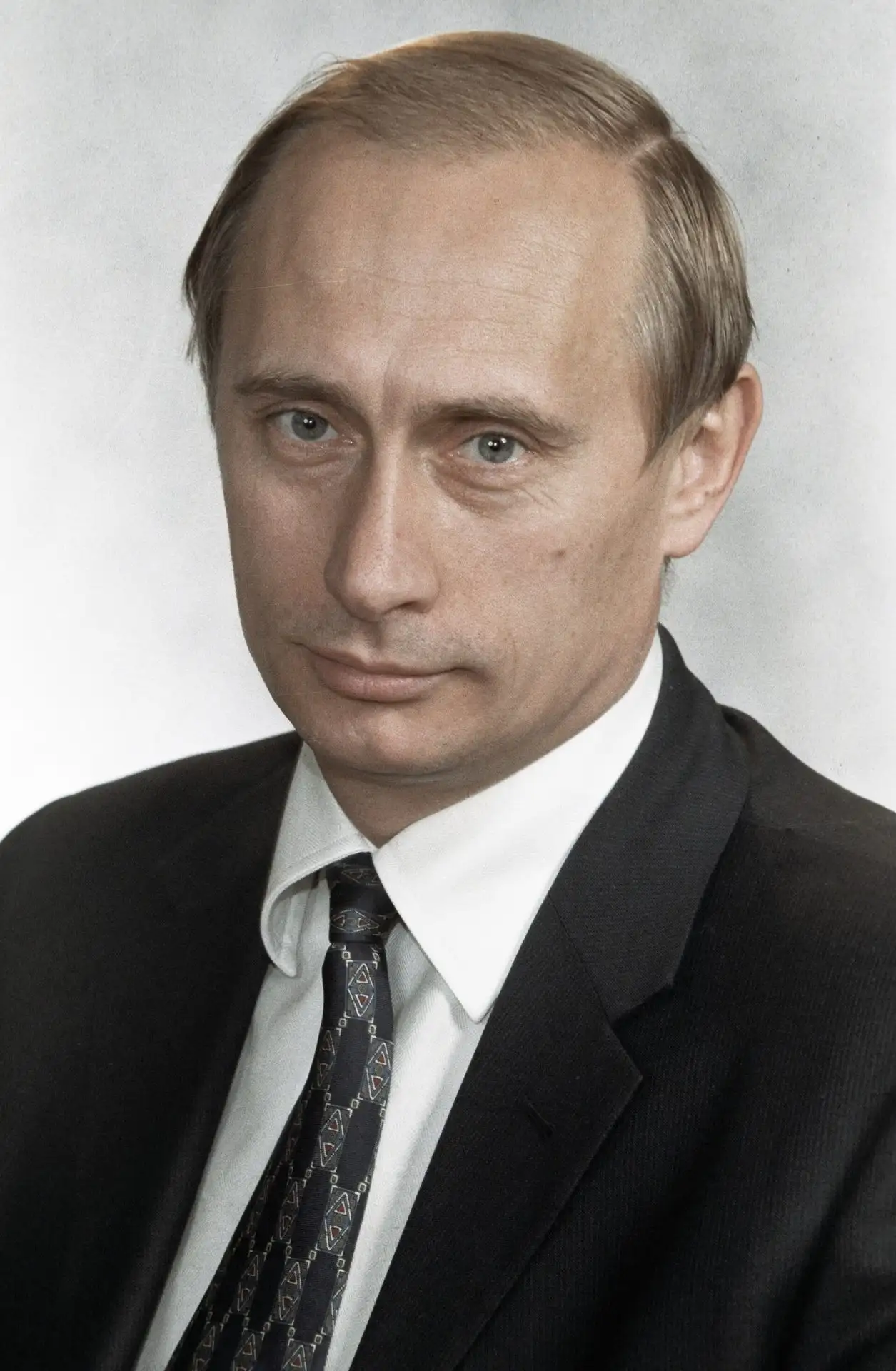
US Security Officials Divided Over Espionage Allegations Involving Nvidia CEO
Disagreements persist within the Trump administration regarding the intelligence surrounding a former Nvidia associate linked to Chinese intelligence.

- U.S. officials remain divided over whether Alice Huang acted as a Chinese intelligence asset.
- The FBI does not currently view Alice Huang as an intelligence asset, while the CIA maintains a more cautious stance.
- President Trump pushed for Jensen Huang's reinstatement as Nvidia CEO following advice from the Attorney General.
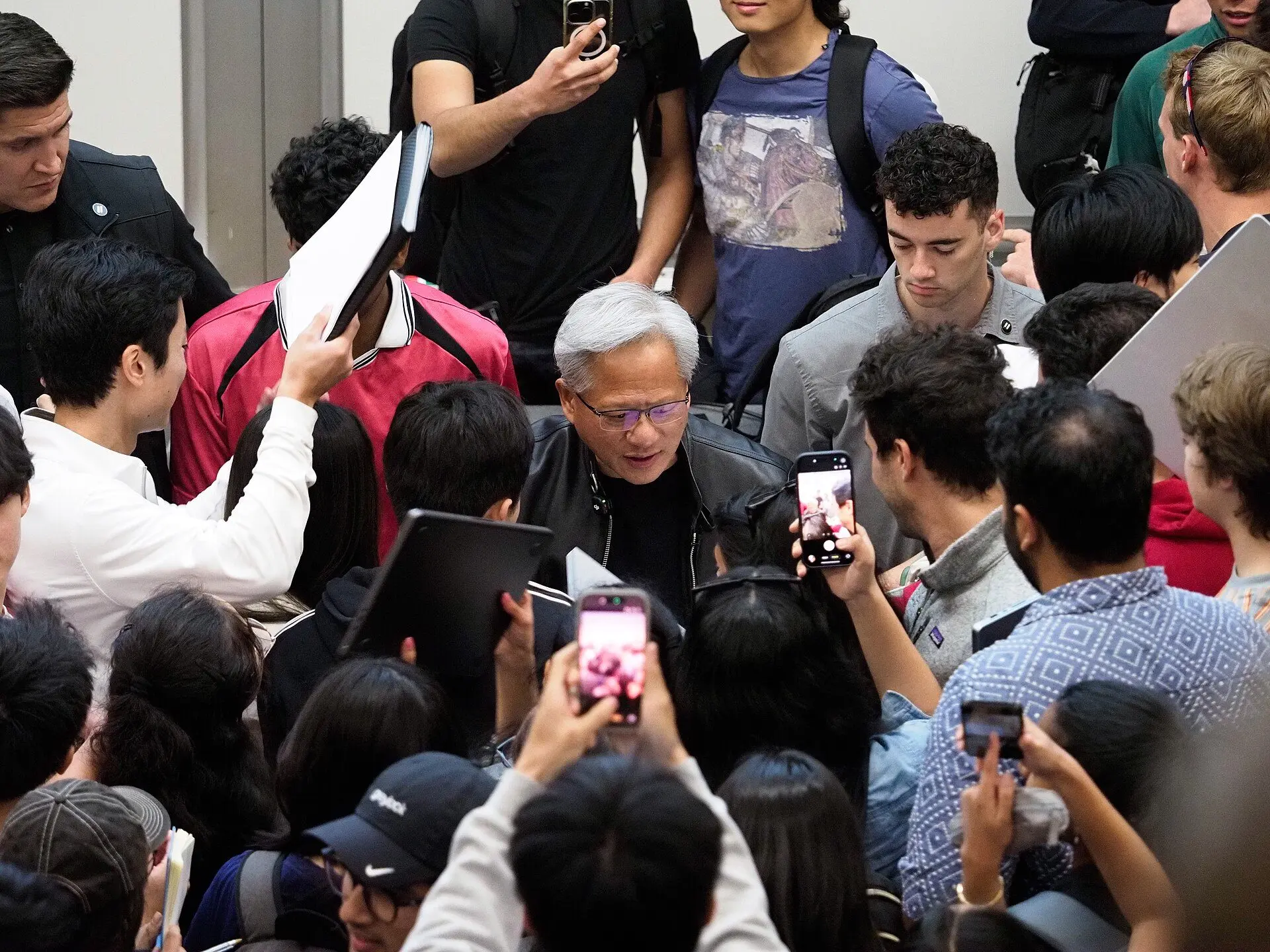
Senior national security officials within the U.S. government are currently divided over the interpretation of intelligence reports concerning Alice Huang, a former executive at a company previously linked to Nvidia. The core of the debate centers on whether Huang, who had an extramarital affair with Nvidia CEO Jensen Huang, acted as an agent for China's Ministry of State Security. While various agencies have accessed intelligence regarding her contacts with Chinese officials for months, there remains no unified consensus on whether she was providing sensitive information to Beijing.
Internal Agency Perspectives
The FBI has conducted counterintelligence assessments and concluded that the available intelligence does not identify Alice Huang as an officer or formal asset of Chinese intelligence services. In contrast, the CIA maintains a more nuanced position; while the agency notes that current reporting does not definitively prove she possessed or transferred national security data, it does not rule out the possibility that future evidence could change that assessment. Some officials emphasize that as a Chinese national, her contact with intelligence authorities might simply reflect compliance with local legal requirements to cooperate with the state, rather than an active espionage role.
Administration Disagreements and Decision-Making
These conflicting viewpoints were largely absent from formal administration debates prior to the initial ousting of Jensen Huang by the Nvidia board. U.S. Secretary of State Marco Rubio, in a classified memo written earlier this year, reportedly suggested that the Ministry of State Security had likely recruited Alice Huang as an asset. However, this assessment has not been universally accepted among top administration figures. President Trump, supported by Vice President JD Vance, moved to support Jensen Huang’s reinstatement as CEO after receiving input from Attorney General Todd Blanche, who stated the executive posed no national security threat.
Institutional Challenges in Intelligence Sharing
The situation highlights broader concerns regarding the flow of classified information within the current administration. Observers note that the National Security Council, which has experienced staff reductions, now conducts fewer high-level meetings to scrutinize sensitive intelligence before it reaches policymakers. This diminished interagency coordination meant that cabinet-level officials did not collectively debate the specifics of the Nvidia situation or the intelligence on Alice Huang. Consequently, key figures like Rubio were reportedly excluded from pivotal discussions led by the President, which directly influenced the decision to welcome the CEO back to his role.
Broader National Security Context
Beyond the personal dynamics of the affair, intelligence reporting has scrutinized Alice Huang's professional history at her former employer, Megaspeed, specifically regarding the potential diversion of U.S. semiconductor technology to China. Some security officials argue that these logistical activities represent a more tangible national security concern than the personal relationship in question. Megaspeed has consistently maintained that its operations are lawful and compliant with U.S. export controls. As congressional interest in the matter grows, the underlying intelligence reports, which remain restricted and were not initially shared with lawmakers, are expected to become a focal point of future investigations.
- Intelligence agencies hold conflicting interpretations of Alice Huang's ties to China.
- The White House bypassed standard interagency review processes regarding the intelligence on the Nvidia CEO.
- Future congressional inquiries are likely to focus on these intelligence findings and the administration's response.
- Senior national security officials within the U.S.
Spotted an error? · Our editorial policy
UP NEXTLionel Messi Reports Seeking to Restrict AFA Commercial Use of His ImageOther angles · #Alice Huang
Timeline →- NewsUS Intelligence Finds No Proof China Directed Alice Huang to Spy on Nvidia Chief
- NewsUS Intelligence Finds No Beijing-Directed Espionage in Jensen Huang Affair
- NewsUS Adds Singapore Chip Firm Megaspeed to Trade Blacklist Amid Export and Espionage Probes
- NewsChinese National Facing Fraud Charges in Singapore Linked to Nvidia Chip Transshipment Network
More from World Politics

Bangladesh Speaker Suggests Potential ICJ Action for Sheikh Hasina’s Extradition
Canadian Supreme Court Upholds Quebec’s Public Sector Religious Symbols Ban

Danish Foreign Minister Visits Bengaluru to Expand Tech and Defense Ties with India