US proposes 25% tariffs on Indian goods; New Delhi rejects excess capacity claims
The United States has proposed 25 percent tariffs on imports from India under a Section 301 investigation, while offering a reduced 17 percent rate if a bilateral trade agreement is finalised.

- USTR proposes 25% tariffs on Indian goods, reducible to 17% with a bilateral trade deal
- India rejects allegations of structural excess manufacturing capacity
- Trade negotiations ongoing since February 2026 interim understanding

The United States Trade Representative on Wednesday proposed tariffs of up to 25 percent on Indian products following a Section 301 investigation into alleged structural excess manufacturing capacity. The duties would replace the existing 10 percent baseline tariff rather than stack on top of it, and would drop to 17 percent if India and the United States conclude a bilateral trade agreement.

India rejects excess capacity allegations
The Ministry of Commerce and Industry said it is examining the USTR notice and reiterated that India does not have structural excess capacity in any sector. The ministry stated it had engaged constructively throughout the investigation, which was launched in March, and maintained that trade concerns should be resolved within the ongoing bilateral trade negotiations.
Trade agreement framework and tariff differentials
India and the United States have been negotiating a bilateral trade agreement since an interim understanding was announced on 2 February 2026, followed by a joint statement on 7 February. Under the new USTR proposal, Indian imports would face a 17 percent tariff with a deal — one percentage point lower than the 18 percent rate offered to Bangladesh, Cambodia, Indonesia, Malaysia and Thailand, and three points below the 20 percent rate for Vietnam and China. Without an agreement, the 25 percent rate would apply, with the risk of further duties or quotas from an adverse USTR ruling.
US allegations and sectors of concern
The USTR report cites Indian industrial policies such as Make in India and Atmanirbhar Bharat, alleging they provide financial incentives tied to increased sales that reduce commercial opportunities for US producers. It also points to inadequate labour protections, financial repression policies, and barriers to market access. Sectors identified include pharmaceuticals and medical devices, steel, solar, and information and communications technology. The investigation covers 16 economies, including China, the European Union, Japan, South Korea and several Southeast Asian nations.
Previous tariff volatility and next steps
An earlier interim deal would have cut tariffs on Indian goods to 18 percent from a combined 50 percent rate that included a 25 percent punitive levy imposed in August 2025 over Russian oil purchases. That framework was disrupted when the US Supreme Court struck down global tariffs on 20 February, prompting a temporary 10 percent tariff under the 1974 Trade Act. Commerce Secretary Rajesh Agrawal stated in November that the bilateral deal would not be signed until Washington establishes a new tariff framework and the Section 301 investigations conclude. The Global Trade Research Initiative characterised the dual-rate structure as a bargaining tool that pressures partners into one-sided agreements without addressing underlying industrial overproduction.
- Tariff proposal creates leverage for US in trade negotiations with India
- India seeks early conclusion of bilateral agreement to secure lower tariff rate
- Multiple Asian economies face similar Section 301 investigations
Spotted an error? · Our editorial policy
UP NEXTLionel Messi Reports Seeking to Restrict AFA Commercial Use of His ImageOther angles · #bilateral trade agreement
Timeline →More from World Politics

Bangladesh Speaker Suggests Potential ICJ Action for Sheikh Hasina’s Extradition
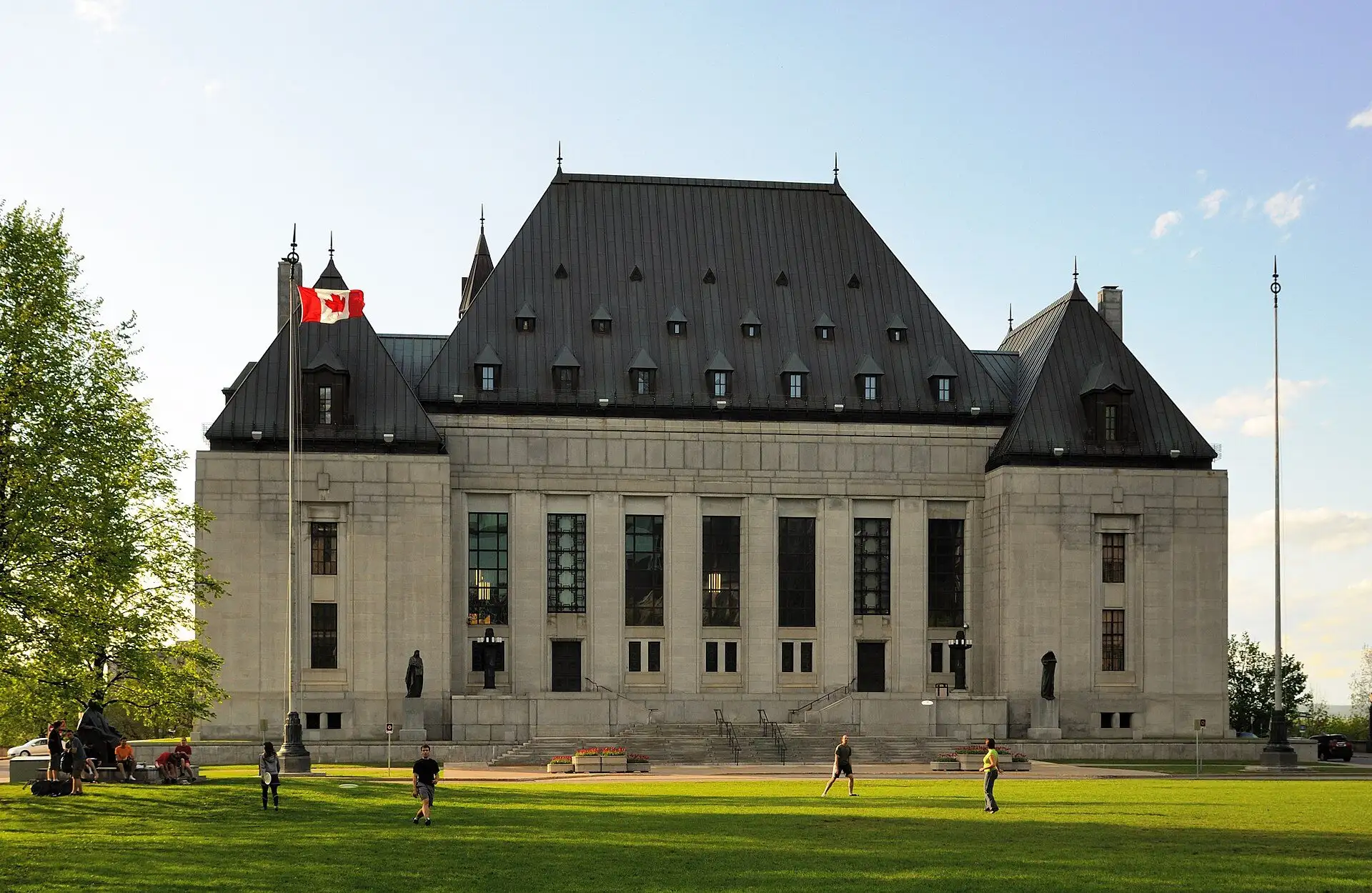
Canadian Supreme Court Upholds Quebec’s Public Sector Religious Symbols Ban

Danish Foreign Minister Visits Bengaluru to Expand Tech and Defense Ties with India