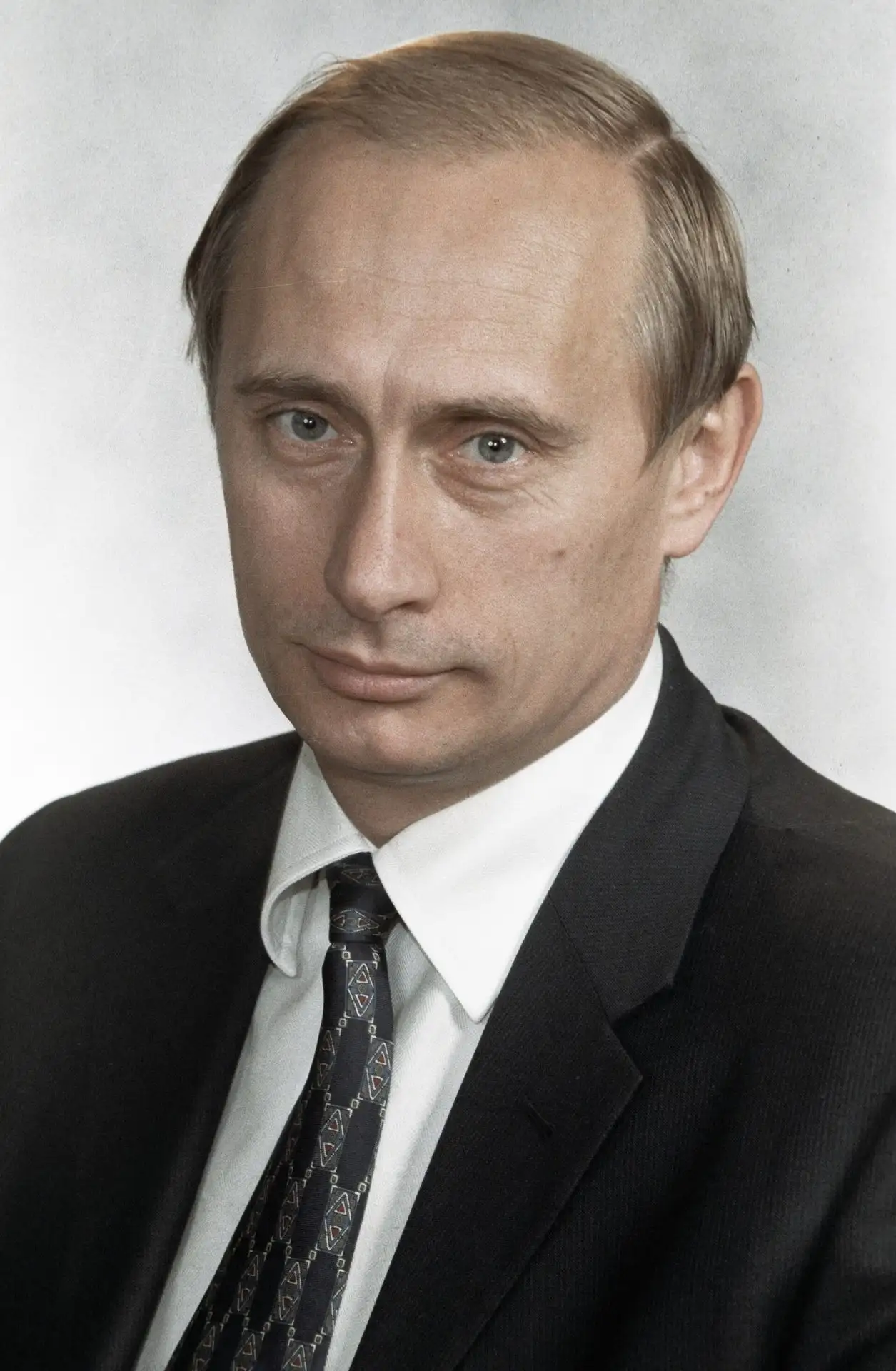
Serbia Schedules Early Presidential Election for December 27 Following Parliamentary Upset
Serbia’s parliament speaker has scheduled an early presidential election for December 27 following a student movement’s victory in the October parliamentary ballot.

- Serbia scheduled an early presidential election for December 27 by Parliament Speaker Aleksandar Cupic.
- Former President Aleksandar Vucic resigned in September and lost an October 25 parliamentary vote to a student movement.
- The youth-led protest movement originated from two years of demonstrations following a fatal train station canopy collapse in Novi Sad.

Serbia will conduct an early presidential election on December 27 following a decisive victory by a student-led protest movement in the October 25 parliamentary polls. Parliament Speaker Aleksandar Cupic announced the election date on Thursday after signing the official document and called upon all citizens to demonstrate responsibility by participating in the upcoming vote. The political shift follows the departure of former President Aleksandar Vucic, who stepped down on September 27 to pursue a bid for prime minister after completing two nearly full five-year presidential terms.
Political Context and Institutional Powers
Vucic and his right-wing Serbian Progressive Party held uninterrupted power for 14 years before losing the October ballot in a landslide to anti-corruption candidates nominated by the student movement. Vucic was constitutionally barred from pursuing a third consecutive presidential term. While the Serbian presidency remains largely ceremonial with limited formal legal authority—focusing primarily on commanding the military, influencing foreign policy, and proposing a prime minister-designate after party consultations—Vucic concentrated substantial executive authority within the office during his tenure.

Aftermath and Ongoing Investigations
The student-led movement emerged from two years of street demonstrations that began following a fatal train station canopy collapse in Novi Sad which claimed 16 lives, an incident widely attributed to rampant corruption and structural negligence during building renovations. Following the election defeat, Vucic alleged that the new victors were enforcing a revolutionary terror, though his administration remains technically functional until a successor government is organized. Concurrently, the transition of power has triggered a marked increase in the detentions of police officers and state officials suspected of abusing their official positions during Vucic's administration.
Candidate Outlook and Next Steps
Speaker Cupic expressed optimism that voters will encounter a rigorous selection among leading candidates and their distinct political agendas, emphasizing that strengthening democratic institutions remains a collective responsibility. Candidate rosters have not yet been finalized, and Vucic has publicly raised the possibility that his Serbian Progressive Party might abstain from participating in the December 27 vote.
- Serbia's early presidential vote is set for December 27 following an October parliamentary upset.
- A student-led protest movement defeated the long-ruling Serbian Progressive Party.
- The transition of power has resulted in investigations and detentions of officials over alleged abuses during the prior administration.
- Serbia will conduct an early presidential election on December 27 following a decisive victory by a student-led protest movement in the October 25 parliamentary polls.
Spotted an error? · Our editorial policy
UP NEXTLionel Messi Reports Seeking to Restrict AFA Commercial Use of His ImageSwipe more stories · World PoliticsQuick cards, a few lines each. Tap to open.More from World Politics
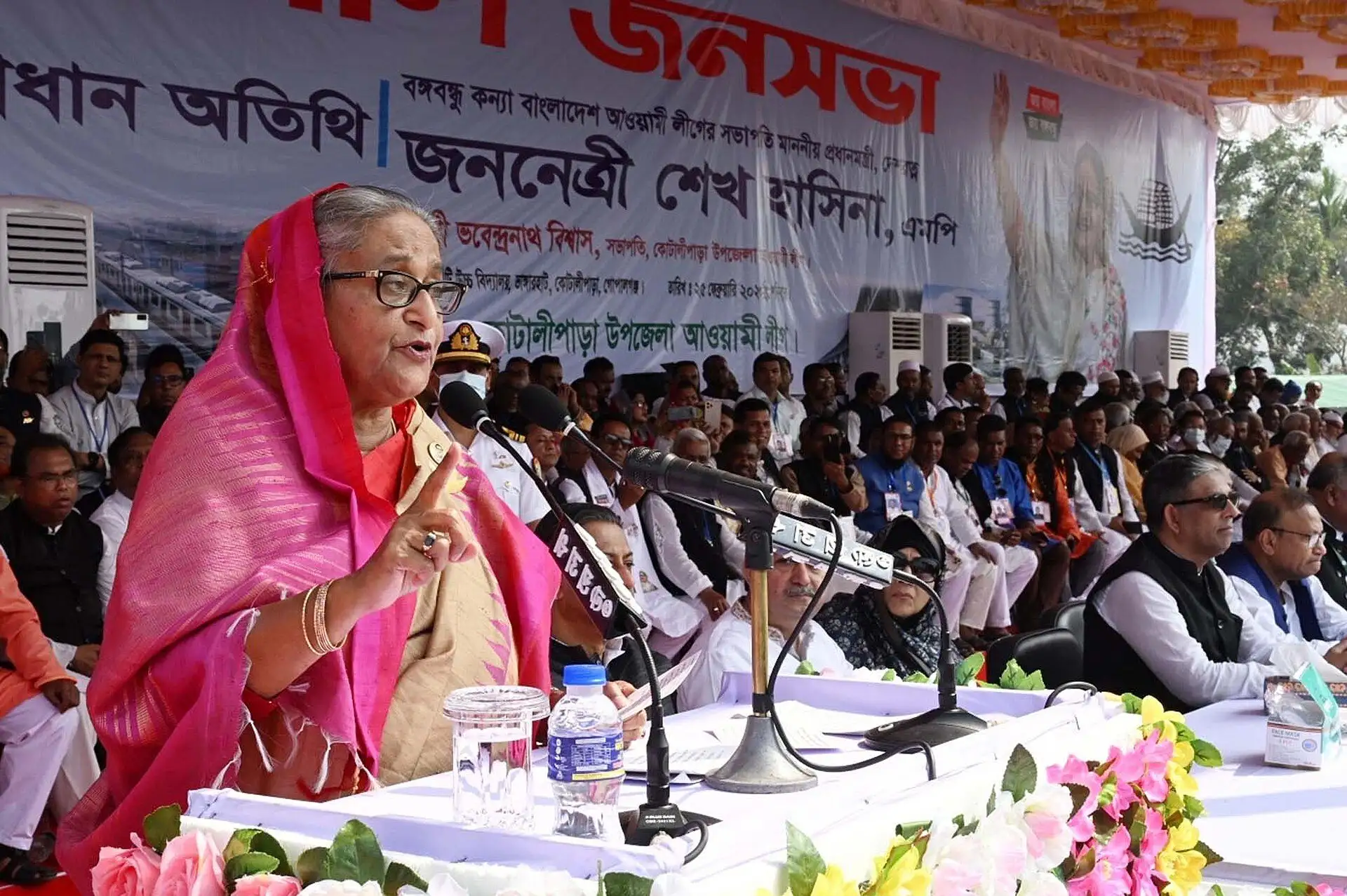
Bangladesh Speaker Suggests Potential ICJ Action for Sheikh Hasina’s Extradition
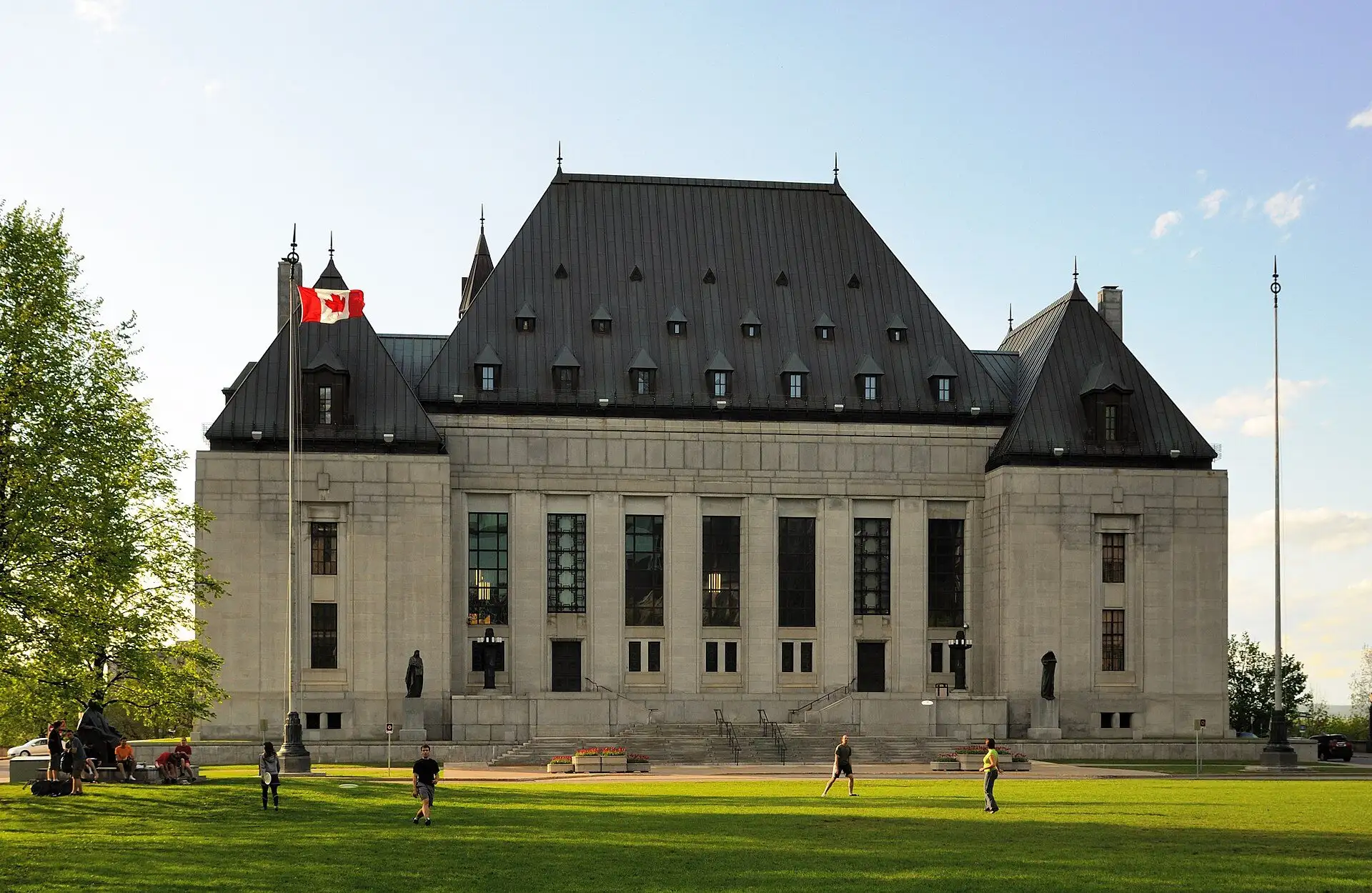
Canadian Supreme Court Upholds Quebec’s Public Sector Religious Symbols Ban

Danish Foreign Minister Visits Bengaluru to Expand Tech and Defense Ties with India