Proposed Delimitation Bill Outlines Supreme Court Judge-Led Commission and Expansion of Lok Sabha
A newly proposed legislative package features a delimitation commission led by a Supreme Court judge, an expansion of the Lok Sabha to 850 seats, and renewed political debate over women’s reservation.

- A proposed bill establishes a delimitation commission led by a serving or retired Supreme Court judge appointed by the Central Government.
- The legislative package proposes expanding the Lok Sabha to a maximum strength of 850 members.
- Prime Minister Narendra Modi reiterated the government's commitment to women's reservation via the Nari Shakti Vandan Amendment.
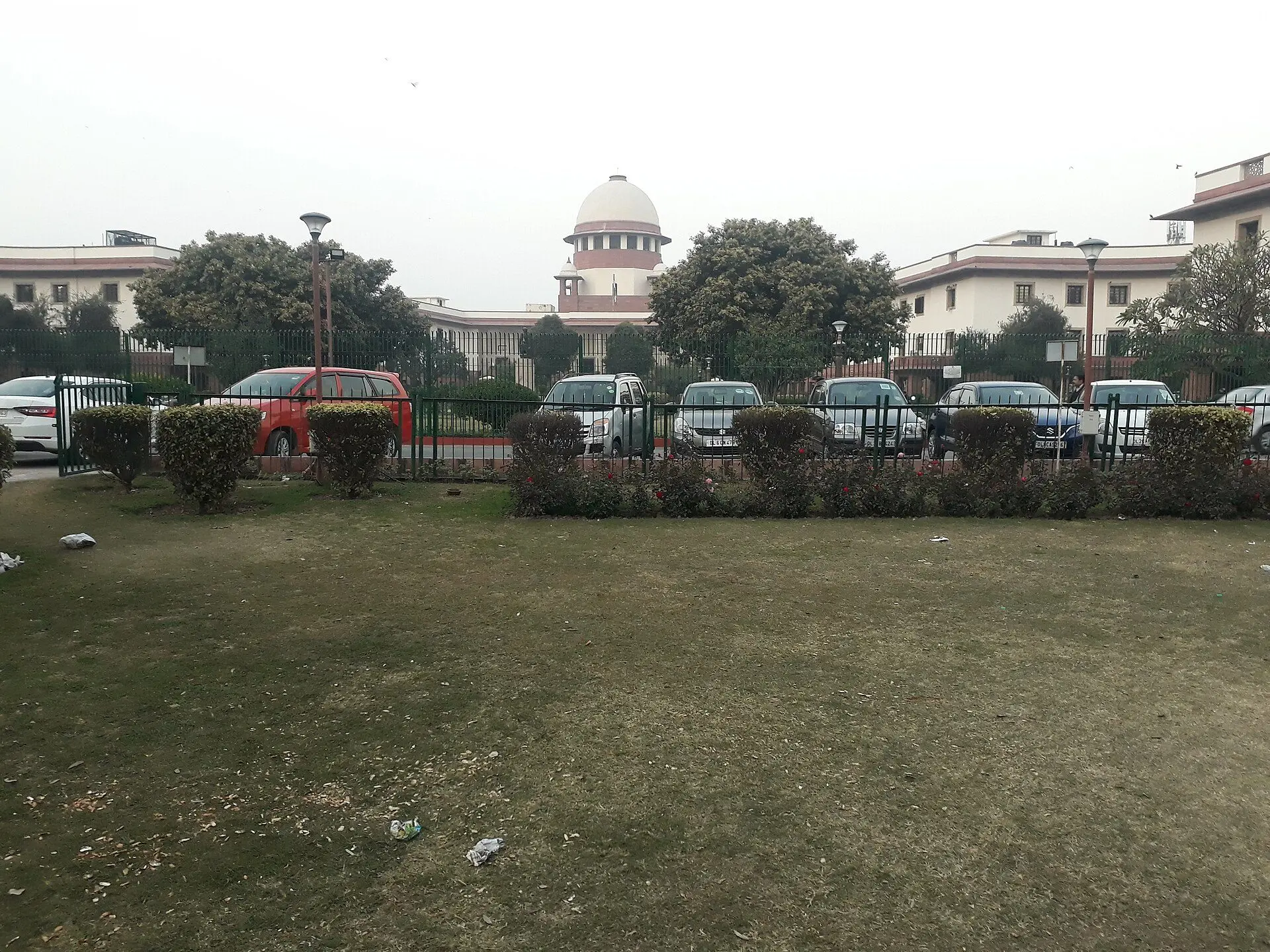
A proposed legislative package introduced by the government includes the Constitution (132nd Amendment) Bill, 2026, the Delimitation (Second) Bill, 2026, and the Union Territories Laws (Amendment) Second Bill, 2026. Under the provisions of the proposed bill, a three-member delimitation commission will be established, to be led by a Chairperson who must be a serving or retired judge of the Supreme Court, appointed centrally. Government sources clarified that Chief Election Commissioner Gyanesh Kumar will not chair the panel, maintaining a structural framework similar to previous provisions where the Chairperson is appointed by the Central Government. The commission will also include the Chief Election Commissioner or a nominee from among the Election Commissioners, alongside the State Election Commissioner of the relevant state serving in their official capacities.
Composition and Associate Member Roles
The three-member core commission is designed to be assisted by 10 associate members from each state, comprising five members of Parliament from the Lok Sabha and five members from the respective State Legislative Assembly. The Lok Sabha Speaker will nominate the five MPs, while the Speaker of the state's legislative assembly will nominate the five MLAs. In states or Union Territories where the total number of Lok Sabha MPs is five or fewer, all such lawmakers will be included as associate members, with the overall associate tally adjusted accordingly. These associate members are intended to assist the commission in executing its mandate but will not possess voting rights or the authority to sign off on official decisions. The panel's responsibilities involve executing a delimitation exercise to readjust parliamentary and assembly seats and divide states and Union Territories into specific territorial constituencies.
Expansion of Parliament and Political Alignments
The proposed legislative measures seek to raise the maximum capacity of the Lok Sabha to 850 members, which would include up to 815 representatives from states and 35 from Union Territories. Government projections and official assessments suggest strong backing in Parliament, with support from political groups such as the Dravida Munnetra Kazhagam, the Yuvajana Sramika Rythu Congress Party, and the Nationalist Congress Party-Sharadchandra Pawar helping build an estimated tally. The Dravida Munnetra Kazhagam voiced backing for a 50 percent increase in parliamentary seats while insisting that Tamil Nadu's existing representation share remains safeguarded. Ram Mohan Naidu addressed opposition concerns regarding the women's reservation framework, highlighting endorsement from southern leaders and emphasizing the goal of securing 33 percent women's representation by the year 2029.
Prime Minister's Stance and Opposition Objections
Prime Minister Narendra Modi released a video message on the X platform emphasizing his administration's dedication to implementing women's reservation through the Nari Shakti Vandan Amendment, calling it an essential step for the nation. He argued that national interests should always take precedence over partisan concerns, asserting that women's empowerment suffers when political considerations are prioritized. Conversely, opposition figures have voiced strong objections to the framework. Lok Sabha Leader of the Opposition Rahul Gandhi demanded that women's reservation be enacted immediately on the existing 543 Lok Sabha seats alongside an Other Backward Classes sub-quota, while opposing the expansion to 850 seats and calling for delimitation to rely instead on the 2027 Census. Congress president Mallikarjun Kharge also questioned the structure and implications of the proposed delimitation exercise for Scheduled Castes and Scheduled Tribes, while government officials countered bias allegations by pointing to transparency measures and mandatory public hearings.
- The proposed Delimitation Commission features a Supreme Court judge as Chairperson alongside election commissioners.
- Ten associate members from each state, consisting of five MPs and five MLAs, will assist without voting rights.
- Political alignment from parties like DMK and YSRCP aids the legislative push, though opposition figures demand changes based on current seat counts.
- A proposed legislative package introduced by the government includes the Constitution (132nd Amendment) Bill, 2026, the Delimitation (Second) Bill, 2026, and the Union Territories Laws (Amendment) Second Bill, 2026.
Spotted an error? · Our editorial policy
UP NEXTIran Pursues Intelligence Overhaul and Leadership Reset Amid Ongoing Security PressuresOther angles · #Delimitation Bill
Timeline →- NewsTamil Nadu Leaders Defend Support for Proposed Delimitation Bill to Protect State Seats
- NewsNCP (SP) MLA Rohit Pawar Urges Supriya Sule to Oppose Proposed Delimitation Bill
- NewsCentre Claims Support of 371 Lok Sabha MPs for Delimitation and Women Reservation Bill Ahead of Parliament Session
- NewsRohit Pawar urges Supriya Sule to oppose delimitation Bill, warning of ideological betrayal
More from Indian Politics
Tamil Nadu Leaders Defend Support for Proposed Delimitation Bill to Protect State Seats
NCP (SP) MLA Rohit Pawar Urges Supriya Sule to Oppose Proposed Delimitation Bill
Centre Claims Support of 371 Lok Sabha MPs for Delimitation and Women Reservation Bill Ahead of Parliament Session