Global Trading Partners Respond with Protests and Diplomacy to Fresh US Tariffs
Major international economies have reacted with a mixture of diplomatic engagement, disappointment and warnings of retaliation following a fresh set of tariff proposals announced by the Trump administration.

- The Trump administration proposed a fresh round of tariffs targeting China, the EU, and over a dozen other economies following a Supreme Court ruling in February that struck down previous emergency-power levies.
- Singapore and Japan expressed disappointment and defended their economic practices while signaling a preference for negotiations rather than immediate retaliation.
- India faces a 17 percent tariff that could rise to 25 percent if ongoing trade deal talks are unsuccessful, with negotiations complicated by US probes and Russian oil sanctions legislation.
The Trump administration has launched a renewed round of trade duties targeting goods from China, the European Union, and more than a dozen other economies. This policy shift represents a concerted effort to reinstate a broad trade agenda featuring country-specific levies. Previous emergency powers used to implement these measures were struck down by the Supreme Court in February, compelling the administration to rely on alternative legal authorities to restore the duties. The current proposals are primarily aimed at foreign economies that Washington accuses of generating structural excess manufacturing capacity and harming domestic American enterprises.
Global Reactions and Diplomatic Pushback
Official responses from affected nations varied widely, ranging from immediate protests to calculated diplomatic outreach. Singapore rejected the American assessment that its domestic policies foster a manufacturing glut, announcing plans to urge Washington to reconsider proposed tariffs of up to 20 percent on its exports. According to the Singaporean Ministry of Energy, Trade and Industry, this levy could potentially be reduced to 10 percent if the city-state successfully concludes a reciprocal trade agreement or other negotiations addressing American concerns. Similarly, Japanese Chief Cabinet Secretary Minoru Kihara described planned 15 percent levies on Japanese goods as regrettable during a regular news conference, asserting that Japan maintains no non-market practices or structural excess production capacity. Meanwhile, Chinese Foreign Ministry spokesman Guo Jiakun dismissed the proposed measures during a briefing as political maneuvering, calling for both superpowers to preserve their existing trade truce.
Specific Country Rates and Potential Escalations
Under the proposed framework outlined by senior officials and the Office of the US Trade Representative, imports from China face a 20 percent tariff aligning with past agreements, though a senior official warned this figure could double to 40 percent if bilateral negotiations collapse. European Union products are slated for a 15 percent tax in accordance with a prior bloc agreement, with potential escalation up to 20 percent. India faces a baseline 17 percent tariff under pressure to finalize a trade agreement with the US, which serves as its primary export market; failure to secure a deal could elevate the rate to 25 percent. Trade discussions between Washington and New Delhi, underway since a February framework agreement, have faced complications from ongoing US trade probes and recently enacted legislation targeting Russian oil sanctions. South Korea and Switzerland face initial 15 percent rates that could climb to 25 percent and 20 percent respectively, while USTR is also elevating barriers on Brazilian imports by modifying measures tied to earlier investigations of digital policies and trade practices.
Timeline and Implementation Process
Brazil issued a sharp rebuke to the unilateral measures, stating through its Foreign Ministry that the decision constitutes an unacceptable action amid ongoing bilateral discussions and vowing not to yield to threats. For many participating economies, the proposed rates closely mirror figures previously negotiated prior to the Supreme Court ruling. These duties are not scheduled to take effect immediately, as they remain subject to an upcoming written-comment period and public hearings, leaving a potential implementation window open as late as January. While nations such as Singapore and Japan have signaled a clear preference for ongoing negotiation over immediate retaliation, major actors like China and the European Union have cautioned that they retain the option to hit back if Washington exceeds the boundaries of existing trade pacts.
- Fresh tariffs target excess manufacturing capacity across more than a dozen economies.
- Singapore and Japan are pursuing diplomatic talks despite disagreeing with US findings.
- India, China, and the EU face specific baseline rates with potential escalations if trade talks fail.
- The Trump administration has launched a renewed round of trade duties targeting goods from China, the European Union, and more than a dozen other economies.
Spotted an error? · Our editorial policy
UP NEXTLionel Messi Reports Seeking to Restrict AFA Commercial Use of His ImageSwipe more stories · World PoliticsQuick cards, a few lines each. Tap to open.More from World Politics

Bangladesh Speaker Suggests Potential ICJ Action for Sheikh Hasina’s Extradition
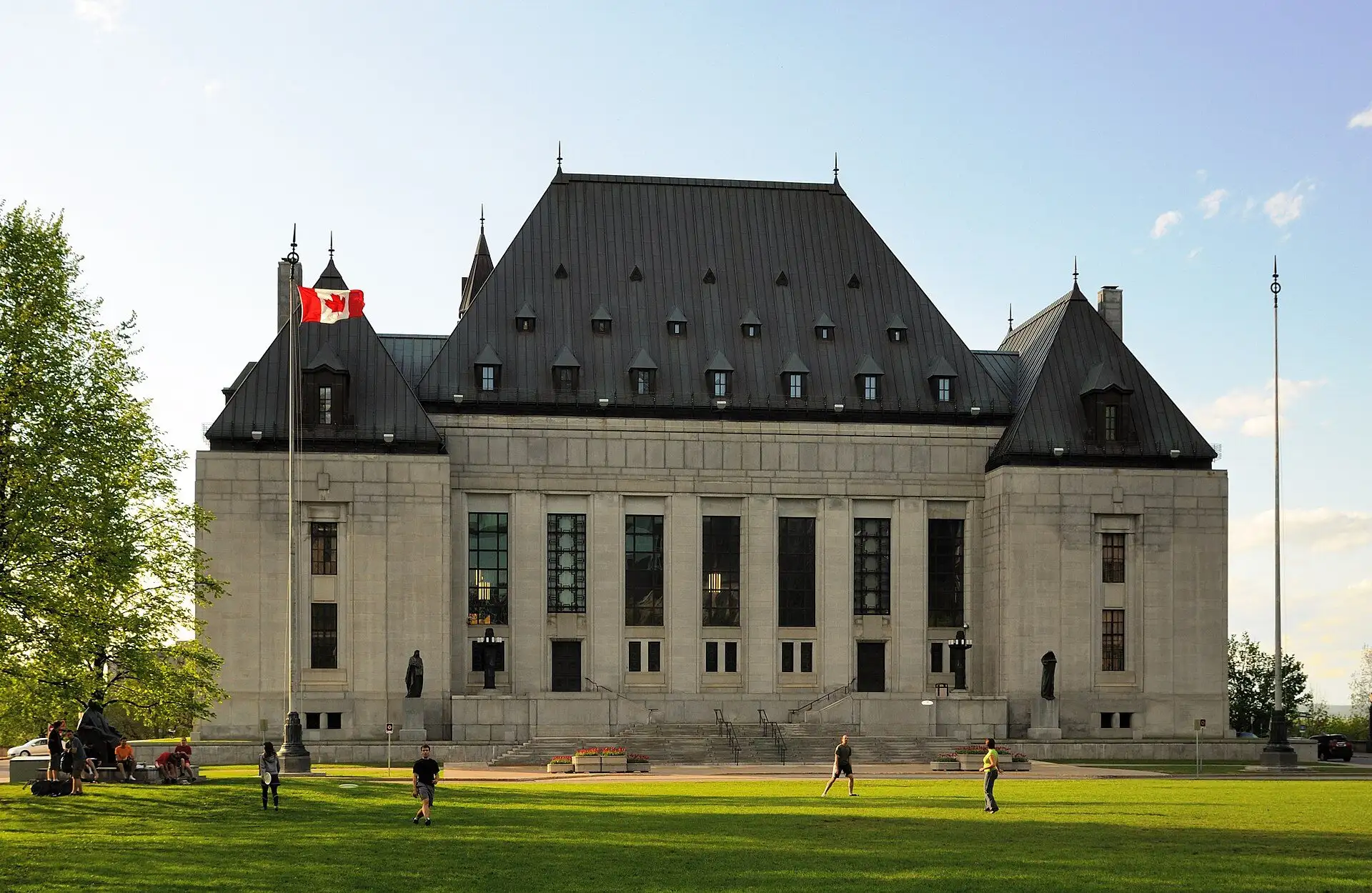
Canadian Supreme Court Upholds Quebec’s Public Sector Religious Symbols Ban
Danish Foreign Minister Visits Bengaluru to Expand Tech and Defense Ties with India