Eighteen Years After 26/11, Questions Over Accountability Arise as Key Conspirators Remain Free in Pakistan
Eighteen years after the 26/11 Mumbai terror attacks, concerns have intensified over Pakistan’s lack of definitive action against terror networks, highlighted by the reported public visibility of Lashkar-e-Taiba founder Hafiz Saeed’s son alongside political leaders in Lahore.

- Eighteen years after 26/11, Hafiz Saeed's son Talha Saeed was reportedly seen with political figures in Lahore.
- Tahawwur Rana was extradited to India in April 2025 and faced an NIA supplementary charge sheet in July 2025.
- A Mumbai court issued proclamation orders in July 2026 against six Pakistan-based accused, including Hafiz Saeed and Zaki-ur-Rehman Lakhvi.
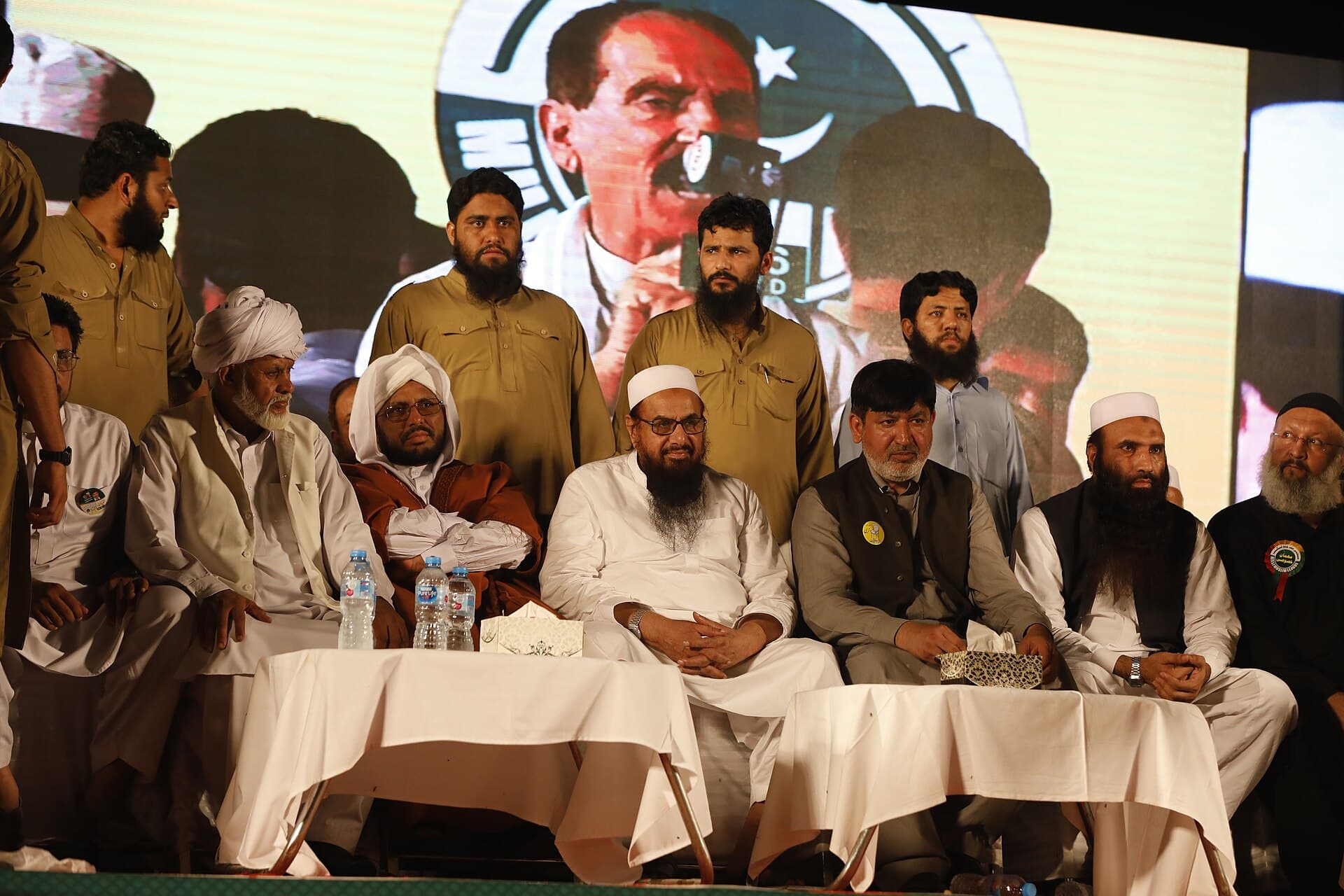
Eighteen years after the devastating 26/11 Mumbai terror attacks that claimed 166 lives, New Delhi continues to raise serious concerns regarding Pakistan's persistent accommodation of extremist networks and individuals tied to cross-border terrorism. Recent reports of Talha Saeed, son of Lashkar-e-Taiba (LeT) founder Hafiz Saeed, appearing publicly alongside mainstream political figures in Lahore have brought the issue of the normalization of extremist affiliations into renewed focus. India maintains that Pakistan has consistently failed to implement credible, irreversible measures against anti-India militant outfits operating within its borders and in Pakistan-occupied Kashmir.
Ongoing Security Concerns and International Scrutiny
Security evaluations continue to highlight the active presence of groups such as Jaish-e-Mohammed, its various affiliates, and other extremist formations on Pakistani territory. Despite past international pressure, including monitoring by the Financial Action Task Force, Indian authorities argue that Pakistan's actions against these terrorist organizations remain selective and inadequate. Furthermore, Pakistan's security and intelligence apparatus faces enduring accusations of utilizing extremist factions as strategic instruments against India, warning that proximity between militant-linked individuals and political figures risks granting illicit networks dangerous public legitimacy.
Status of Conspirators, Extradition, and Judicial Actions
Out of the wider conspiracy, several key figures have died over the years, including former LeT deputy chief Abdul Rehman Makki in December 2024 and al-Qaeda leader Ilyas Kashmiri in a 2011 drone strike. Indian investigators have secured direct access to only two of the ten primary accused individuals: David Coleman Headley and Tahawwur Rana. Headley, a US national, was questioned by the National Investigation Agency in 2011 without being handed over to Indian custody. Meanwhile, his childhood friend, Pakistani-Canadian physician Tahawwur Rana, was extradited to India in April 2025, lodged in Delhi's Tihar jail, and subsequently faced a supplementary charge sheet filed by the National Investigation Agency in July 2025 based on his involvement dating back to 2006.
Involvement of Key Operatives and Proclamation Orders
National Investigation Agency court filings indicate Rana's movements through Dubai, China, and the United States around the time of the November 2008 strikes. Other prominent individuals allegedly responsible for training, providing operational briefings, and giving religious instructions to the ten attackers include Abu Qahafa, Abu Alqama, Muzammil, Abu Anas, and Abu Hamza. While these figures remain believed to be stationed in Pakistan, a Mumbai court issued formal proclamation orders in July 2026 targeting six Pakistan-based accused individuals, including Hafiz Saeed and Zaki-ur-Rehman Lakhvi, though execution of these orders is still pending.
India's Hardened Diplomatic Stance
In response to these ongoing security challenges, India has solidified its diplomatic position regarding cross-border engagement. Top government sources have explicitly stated that bilateral dialogue cannot move forward while cross-border terrorism persists. Measures such as keeping the Indus Waters Treaty in abeyance remain strictly tied to Pakistan permanently ending its support for militant activities. Guided by a zero-tolerance policy, India continues to designate terror operatives under domestic counter-terrorism legislation while pressing the matter with international partners across bilateral and multilateral platforms.
- Talha Saeed's public appearance with political figures in Lahore renews scrutiny over Pakistan's tolerance of extremist networks.
- Key conspirators like Tahawwur Rana were extradited to India in April 2025, while six Pakistan-based accused face Mumbai court proclamation orders issued in July 2026.
- India maintains a zero-tolerance policy, stating that normal bilateral talks cannot proceed alongside ongoing cross-border terrorism.
Spotted an error? · Our editorial policy
UP NEXTLionel Messi Reports Seeking to Restrict AFA Commercial Use of His ImageSwipe more stories · World PoliticsQuick cards, a few lines each. Tap to open.More from World Politics
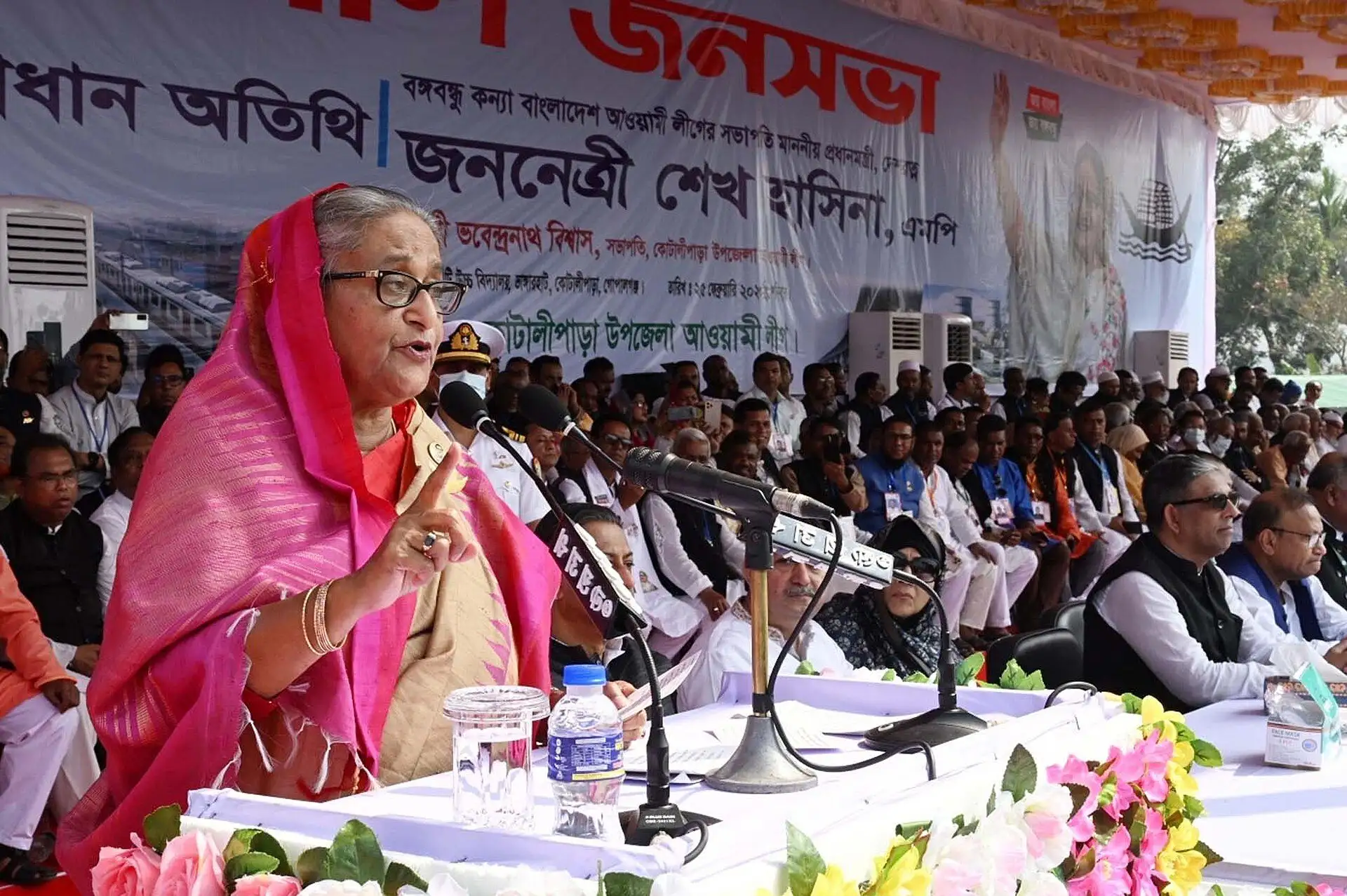
Bangladesh Speaker Suggests Potential ICJ Action for Sheikh Hasina’s Extradition
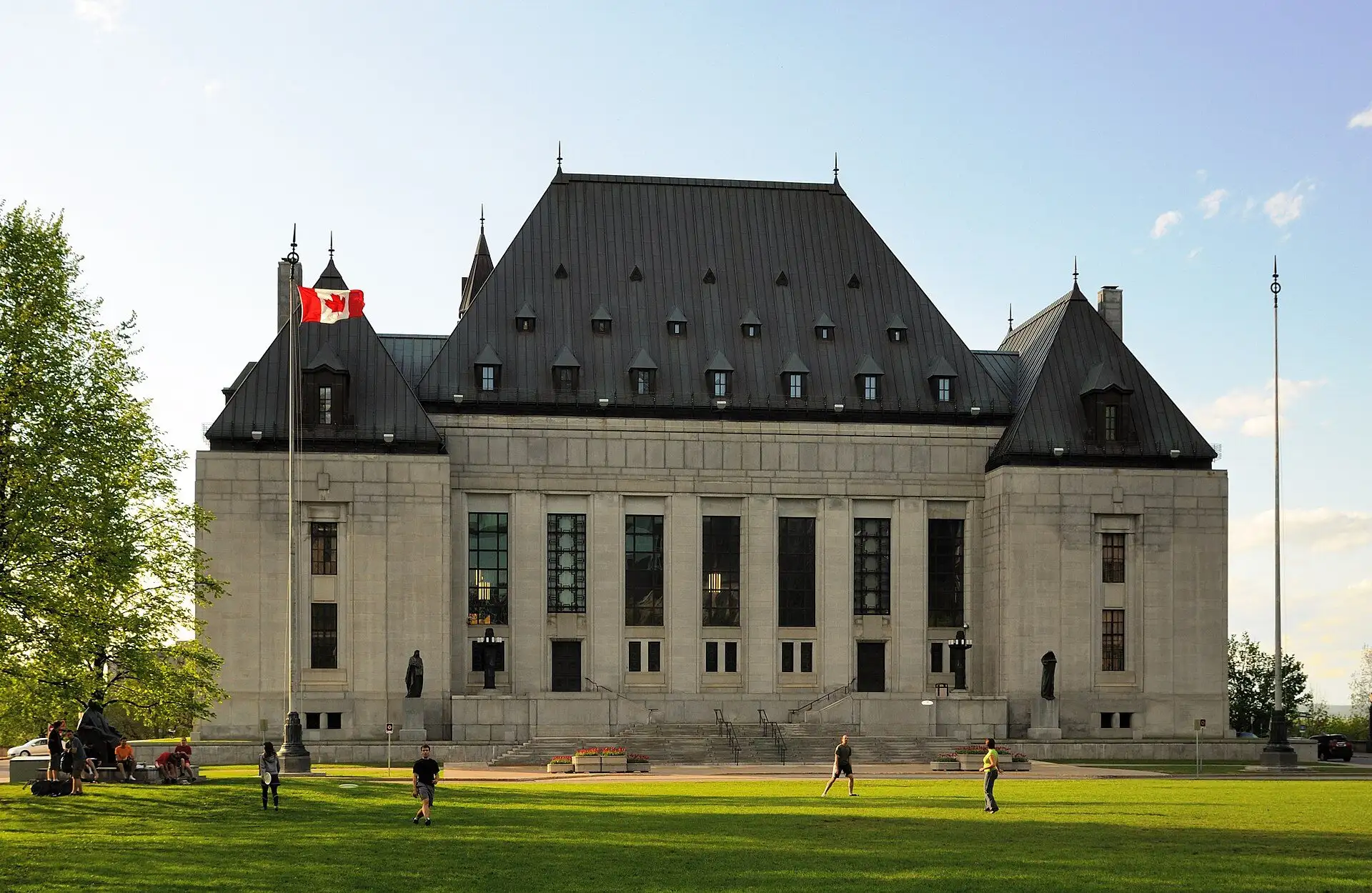
Canadian Supreme Court Upholds Quebec’s Public Sector Religious Symbols Ban

Danish Foreign Minister Visits Bengaluru to Expand Tech and Defense Ties with India