Venture Capital Report Highlights Rise of AI Agents as Consumer Gatekeepers and Bot-Driven Commerce
A new report by venture capital firm Andreessen Horowitz indicates that artificial intelligence agents are increasingly directing consumer purchasing decisions, giving rise to a Business-to-Agent economy.

- Venture capital firm Andreessen Horowitz released a report titled 'How to Win Bots and Influence Purchases'.
- The research analyzed 11,307 completed AI agent runs across 1,270 prompts using platforms like ChatGPT, Gemini, and Perplexity.
- AI agents favored retailers with guest checkout, clear return policies, and high trust metrics.
A newly published report from venture capital firm Andreessen Horowitz titled "How to Win Bots and Influence Purchases" outlines how artificial intelligence agents are functioning as gatekeepers for consumer decisions. Authored by Olivia Moore and Justine Moore, the study points to the development of a Business-to-Agent economy where AI systems dictate discovery, comparison, and final product acquisition for buyers. The findings rely on testing conducted between October 22 and November 8, 2026, alongside consumer spending metrics tracked through November 11, 2026, in partnership with The Prompting Company.
Methodology and Testing Scale
The research evaluated 11,307 completed AI agent runs spanning 1,270 distinct prompts. The testing environment analyzed software solutions and physical commodities through shopping queries processed by multiple platforms, including ChatGPT, Gemini, and Perplexity. According to the data, product recommendations shared significant overlap, showing a 73 per cent probability that an item chosen by one agent would also be suggested by at least another. In nearly a quarter of all tested instances, all four evaluated systems converged on the exact same leading product.
Key Evaluation Metrics for Bot Recommendations
When assessing options, AI bots primarily weighed product specifications, pricing, and customer reviews, though their choices shifted when users provided specific criteria. Pricing transparency and customer-friendly policies also heavily influenced outcomes. When examining retailers with matching item prices, bots favored the seller with superior return policies in 86 per cent of evaluations. Furthermore, trust proved critical, with agents directing buyers toward a more expensive yet trusted seller in 72 per cent of 275 competing merchant comparisons.
Marketplaces, Checkout Friction, and Strategic Adaptations
Marketplaces and aggregators captured nearly one-third of observed spending among the top 50 merchants driven by AI agents, rising to 55 per cent when multi-brand traditional retailers were included. Regarding transactions, guest checkout options allowed bots to successfully complete checkout forms in 81 per cent of test runs, whereas platforms mandating user logins failed in every single attempt. To capture bot-driven demand, the venture capital firm advises businesses to adopt five core strategies: optimizing site accessibility for AI crawlers, highlighting use-case strengths, maintaining transparent policies, ensuring visibility across aggregators, and tailoring approaches to individual AI platforms.
- AI agents show high recommendation overlap, selecting the same leading product in nearly a quarter of tests.
- Websites requiring user login failed all automated checkout attempts, while guest checkouts succeeded 81 percent of the time.
- Marketplaces and aggregators captured significant shares of AI-facilitated merchant spending.
Spotted an error? · Our editorial policy
UP NEXTGovernment Plans Three Legislative Measures for Women’s Quota and House Seat ExpansionSwipe more stories · TechnologyQuick cards, a few lines each. Tap to open.More from Technology

Major Black Friday and Thanksgiving Retail Sales Bring Deep Discounts on Tech Hardware
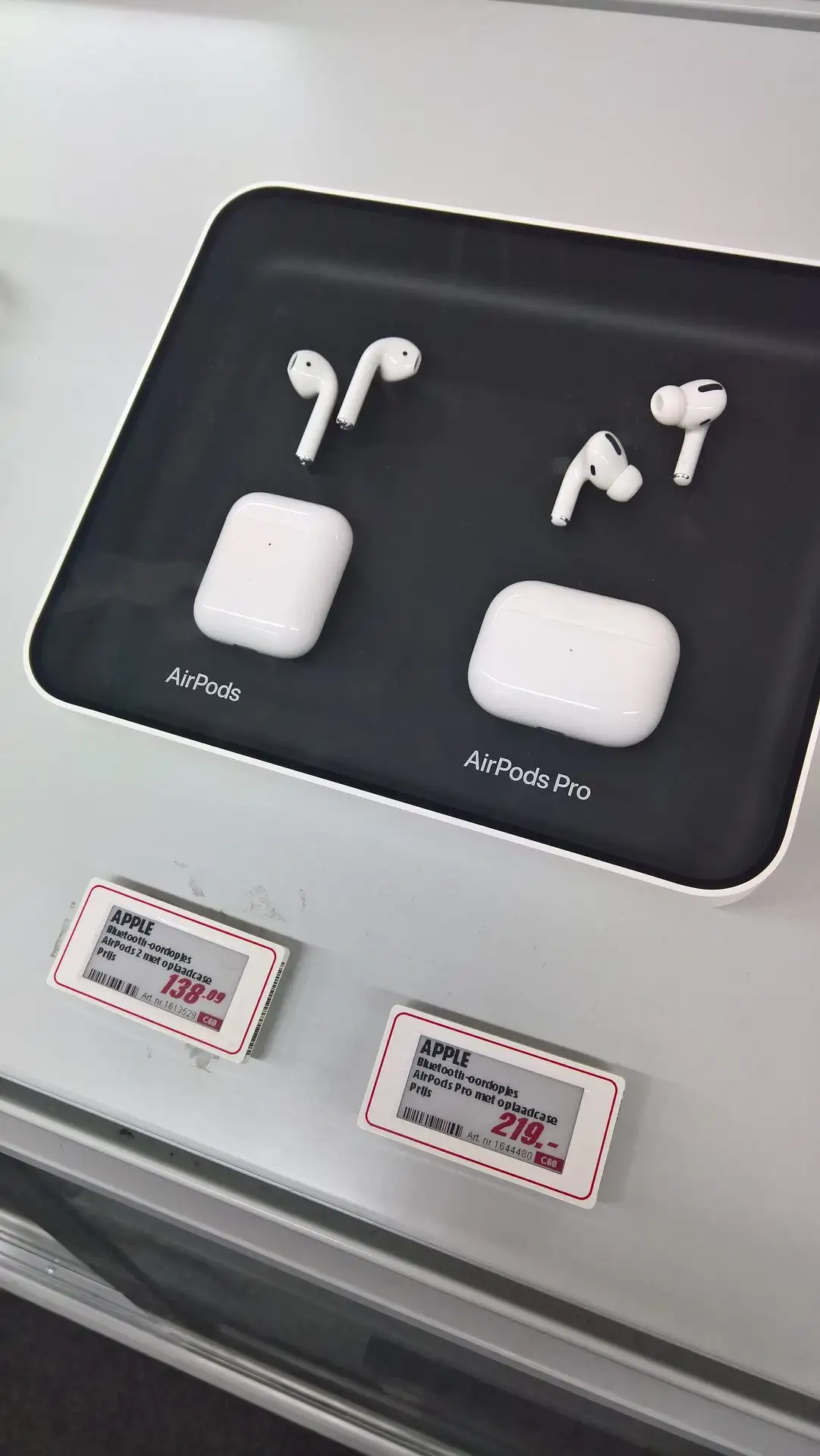
Black Friday Tech Sales Highlight Discounts on Apple, Beats, and Home Appliances

RBI Updates Regulatory Framework for White Label ATM Operators