NIT Rourkela Researchers Develop Hydrogel From Discarded Pharmaceutical Proteins
A team at the National Institute of Technology Rourkela has patented a process to transform inactive proteins into functional hydrogels for medical use.

- NIT Rourkela researchers patented a method to turn discarded proteins into wound-healing hydrogels.
- The process uses BMP-2 protein, hydrogen peroxide, and hyaluronic acid.
- Laboratory tests showed the hydrogel can carry antibiotics and support fibroblast growth.
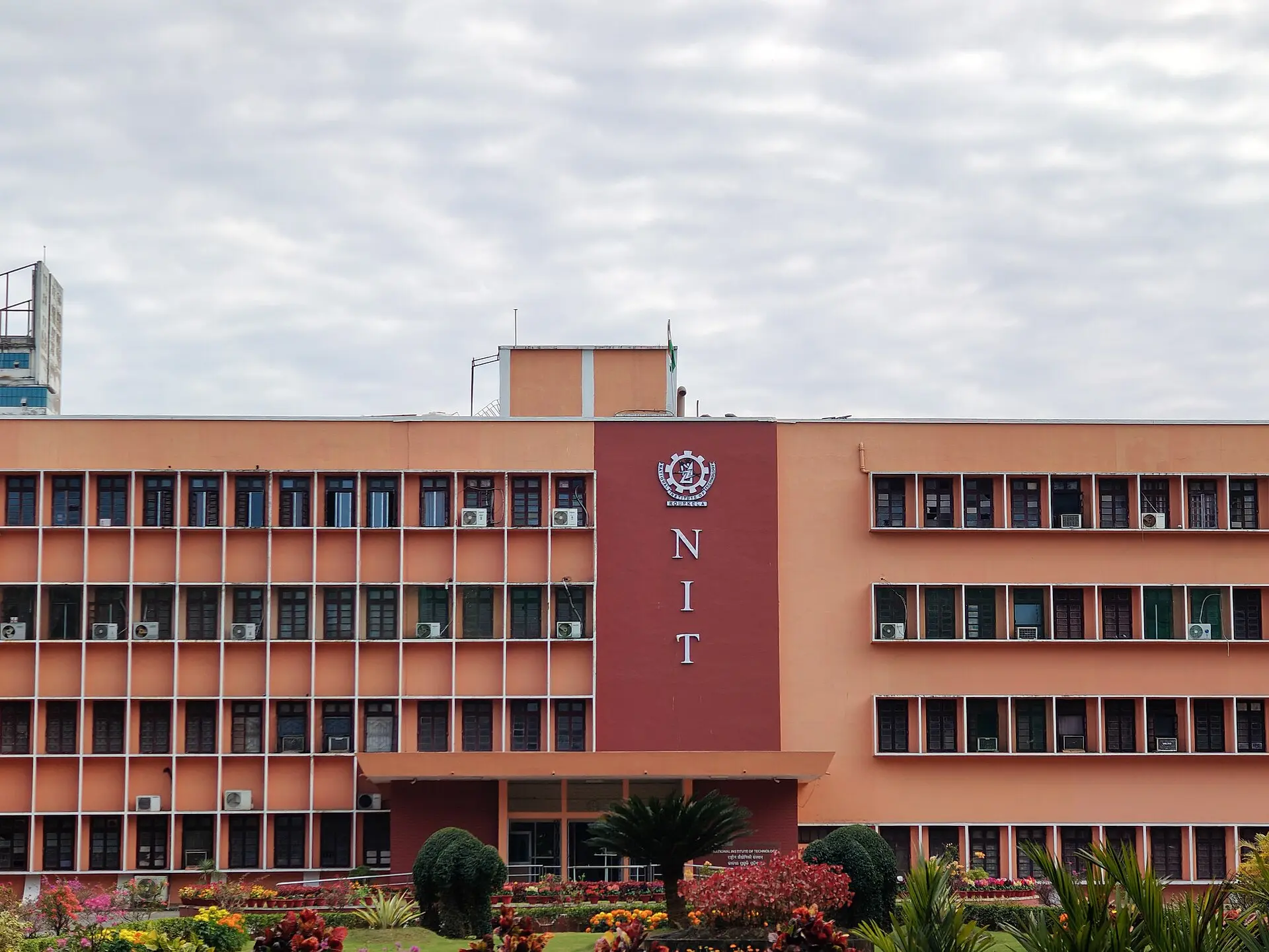
Researchers at the National Institute of Technology (NIT) Rourkela have successfully patented a novel method to repurpose inactive proteins frequently discarded by pharmaceutical and biotechnology sectors. By converting these wasted materials into hydrogels, the team aims to create new possibilities for wound management, tissue regeneration, and advanced drug delivery systems. The research findings, which detail this innovation, have been formally documented in the Journal of Materials Chemistry, a publication of the Royal Society of Chemistry.
The Science Behind Protein Repurposing
Proteins are vital for human biological regulation and tissue repair; however, they are susceptible to structural degradation when subjected to heat, harsh chemicals, or specific processing conditions. Professor Harekrushna Sahoo of the Department of Chemistry at NIT Rourkela explained that when these delicate molecules unfold, they lose their inherent biological function and cluster into inactive aggregates, leading companies to view them as waste products. The research team’s process reverses this utility loss by heating bone morphogenetic protein-2 (BMP-2) to approximately 85 degrees Celsius for 10 minutes to induce unfolding, followed by specific chemical reactions that allow the proteins to re-aggregate.
Hydrogel Properties and Testing
Once the proteins are aggregated, researchers introduce hydrogen peroxide and hyaluronic acid to create a porous gel structure. According to Sahoo, this combination leverages the synergistic properties of BMP-2 and hyaluronic acid, enhancing water retention, antioxidant activity, and the capacity for sustained medication release. Laboratory evaluations involved loading the material with the antibiotic ampicillin to demonstrate its targeted delivery potential. Additionally, the gel successfully facilitated the growth of fibroblasts, which are crucial cells involved in the natural wound-healing process.
Next Steps in Clinical Research
The practical application of this hydrogel was tested in vivo using Drosophila melanogaster as a model organism to evaluate its efficacy in wound healing. Monalisa Mishra, an associate professor in the Department of Life Sciences at NIT Rourkela, noted that while the initial results are promising, significant work remains. The team emphasizes that the material must undergo further biocompatibility testing in higher animal models before the process can be considered for potential clinical trials.
- The patent covers a new technique to recycle inactive proteins into medical-grade hydrogels.
- Researchers successfully demonstrated the material's potential for drug delivery and tissue support.
- The team plans to continue testing for biocompatibility in more complex animal models.
- Researchers at the National Institute of Technology (NIT) Rourkela have successfully patented a novel method to repurpose inactive proteins frequently discarded by pharmaceutical and biotechnology sectors.
Spotted an error? · Our editorial policy
UP NEXTGovernment Plans Three Legislative Measures for Women’s Quota and House Seat ExpansionSwipe more stories · TechnologyQuick cards, a few lines each. Tap to open.More from Technology
Major Black Friday and Thanksgiving Retail Sales Bring Deep Discounts on Tech Hardware
Black Friday Tech Sales Highlight Discounts on Apple, Beats, and Home Appliances
RBI Updates Regulatory Framework for White Label ATM Operators