Pakistan’s First Astronaut Arrives at China’s Tiangong Space Station with Halal Menu
Muhammad Zeeshan Ali has become the first Pakistani astronaut to visit the Tiangong space station, where he is conducting research while enjoying a specially curated halal menu.

- Muhammad Zeeshan Ali is the first Pakistani astronaut to board the Tiangong space station.
- Over 100 halal-certified dishes were prepared for the mission, including butter chicken and lamb korma.
- The astronaut is conducting research on life sciences and materials, including quinoa seed resilience and carbon-fiber composites.
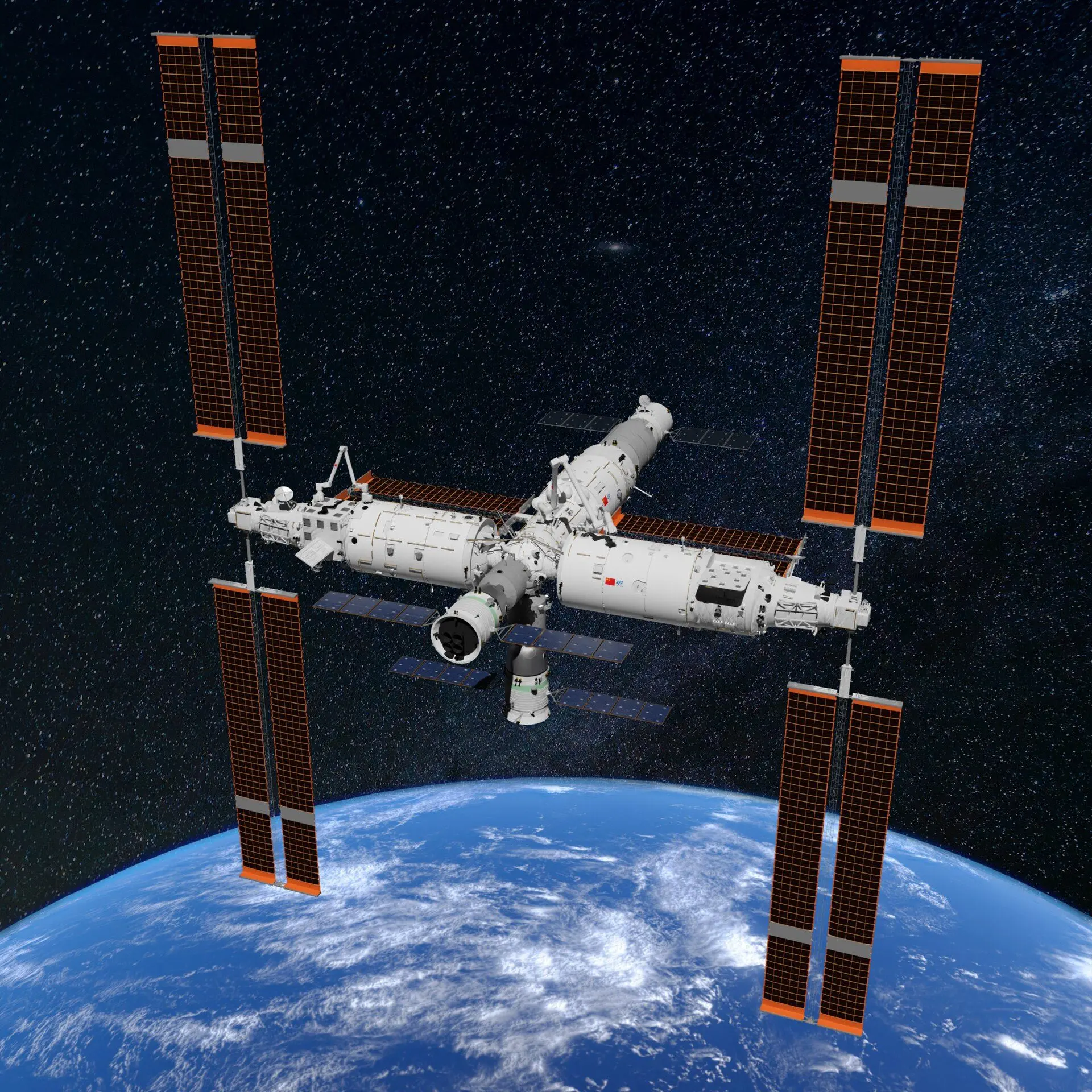
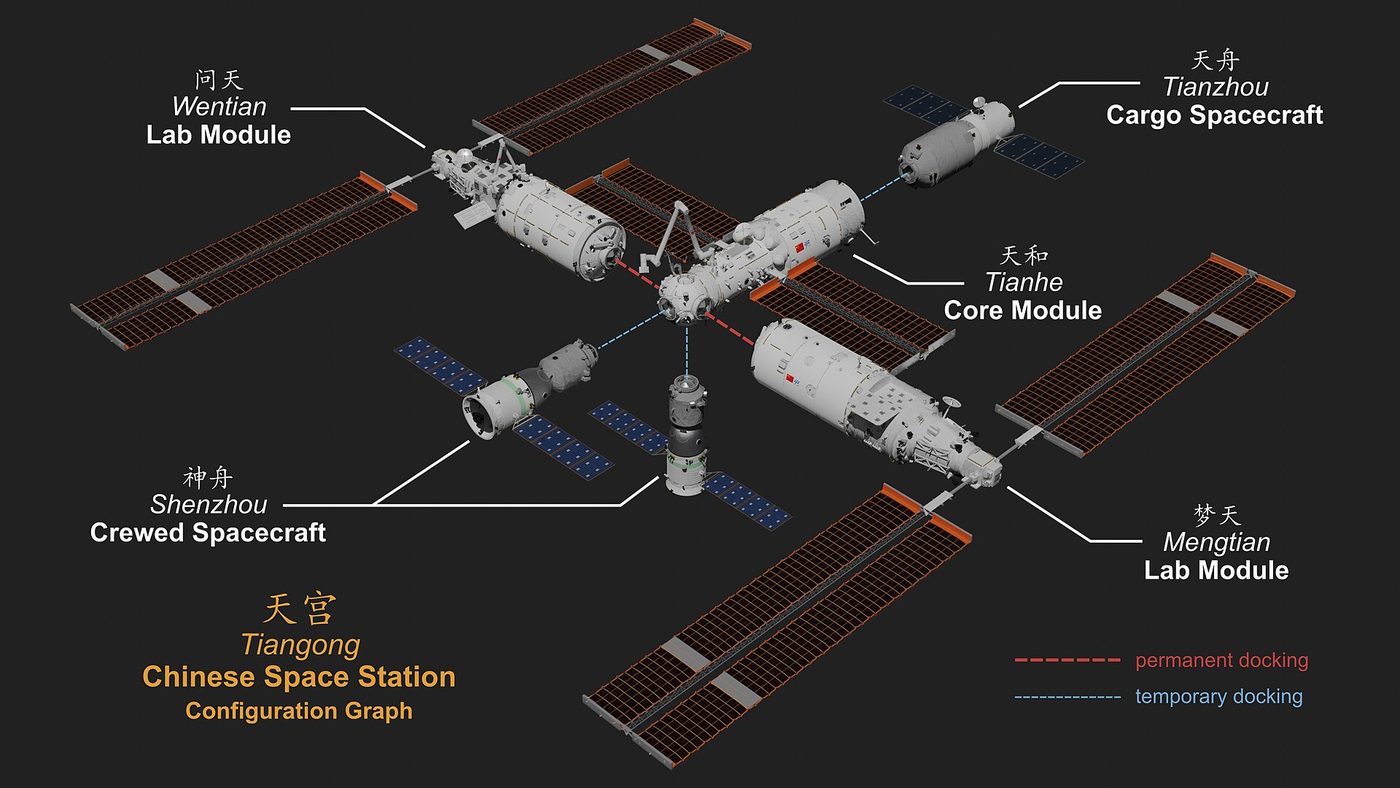
On November 25, 2026, Pakistan Air Force officer Muhammad Zeeshan Ali made history by becoming the first astronaut from a foreign nation to board China's Tiangong space station. Ali arrived at the orbital facility via the Shenzhou-24 spacecraft, accompanied by Chinese astronauts Tang Hongbo and Wu Yi. Their arrival brought the total number of individuals currently aboard the station to six, as the trio joined the three crew members already stationed there for a scheduled transition period.
Culinary Accommodations for Orbit
To support Ali’s cultural and dietary requirements, the China Astronaut Research and Training Centre developed a specialized menu consisting of over 100 halal-certified food items. The development process, managed by food scientist Chen Junli, ensured that the entire supply chain—from ingredient sourcing to final packaging—strictly adhered to Islamic dietary protocols. The menu features South Asian staples such as beef nihari, lamb korma, butter chicken, and curried chickpeas, all seasoned with spices like turmeric and curry to maintain familiar flavor profiles.
The food items underwent multiple rounds of evaluation and refinement based on input from Pakistani space program personnel before launch. While the original menu included Pakistani spiced milk tea, Ali reportedly requested to substitute some portions with Chinese black tea and rice after developing a preference for those items during his pre-flight preparations. These meals are designed not only to provide balanced nutrition in a zero-gravity environment but also to bolster the psychosocial well-being of the crew during their mission.
Research Objectives and Scientific Payload
Ali is expected to remain on the Tiangong space station for a short-term mission lasting between five and ten days. During this period, he will conduct scientific experiments focusing on life sciences and material science, including the analysis of cyanobacteria growth and carbon dioxide absorption in microgravity. His research portfolio also includes experiments regarding the resilience of quinoa seeds in space, as well as testing the performance of self-healing carbon-fiber composites and graphene-based composite protection systems.
The mission serves as a significant milestone in the collaborative space efforts between Pakistan and China. Upon his arrival at the station, Ali shared his enthusiasm for the achievement, marking the fulfillment of a lifelong ambition. Following the conclusion of his research, he is scheduled to return to Earth aboard the Shenzhou-23 spacecraft.
- Ali arrived on November 25, 2026, aboard the Shenzhou-24 mission.
- The China Astronaut Research and Training Centre developed customized, halal-compliant meals for the mission.
- Scientific experiments include studies on carbon dioxide absorption, cyanobacteria, and new composite materials.
Spotted an error? · Our editorial policy
UP NEXTMajor Black Friday and Thanksgiving Retail Sales Bring Deep Discounts on Tech HardwareOther angles · #China
Timeline →- NewsTrump Defends Huang’s Return as Nvidia CEO, Dismisses Security Concerns
- NewsUS Intelligence Finds No Proof of Chinese Espionage Plot Involving Nvidia CEO
- NewsUS Blacklists Megaspeed International Following Nvidia Chip Smuggling Scandal
- NewsChina Selects Pakistani Astronaut for Historic Tiangong Space Station Mission