India Prepares Constitutional Amendment to Raise Parliament Strength and Implement Women’s Reservation
Data analysis shows a single Lok Sabha member represents approximately 26.3 lakh citizens, prompting an upcoming constitutional amendment bill to increase legislative seat capacities.

- A Lok Sabha MP represents an average of 26.3 lakh citizens, which is 3.3 times the US figure.
- The central government is introducing the Constitution (132nd Amendment) Bill, 2026, to increase House strength to 850 and raise state assembly ceilings to 650.
- The legislation aims to implement a 33 per cent women's quota and freeze revised boundaries until 2051.
Data analysis indicates that a single Member of the Lok Sabha in India represents an average of roughly 26.3 lakh citizens. This constituent load stands at approximately 3.3 times the representative figure recorded in the United States. According to the data, the United States House of Representatives maintains 435 voting members alongside six non-voting members, translating to 8.02 lakh citizens represented by each individual lawmaker. India currently operates with 543 directly elected seats in its lower house.
Upcoming Constitutional Amendment and Parliament Schedule
In response to these constituency ratios, the central government plans to introduce the Constitution (132nd Amendment) Bill, 2026, in the Lok Sabha on Monday. The proposed legislation seeks to implement a one-third reservation for women by boosting seat allocations across every state and Union Territory by 50 per cent, while also raising the size ceiling for state legislative assemblies from 500 to 650 members. Furthermore, the bill intends to freeze these revised allocations and boundary limits until the year 2051. To facilitate this legislative agenda, a special parliamentary sitting has been scheduled, with the Lok Sabha reconvening on November 30 and the Rajya Sabha on December 2, concluding all sessions on December 3.
Comparative Global Constituency Loads
Comparative analysis reveals significant variations in legislative representation workloads across international democracies. Iceland records the lowest constituency load globally with 6.39 thousand persons per parliamentarian across 63 elected seats, followed closely by Luxembourg at 11.46 thousand persons across 60 seats. European nations such as Finland, Sweden, Ireland, Norway, Denmark, and Switzerland report loads ranging from 28.11 thousand to 45.04 thousand citizens per MP. Meanwhile, nations where one lawmaker represents over one lakh citizens include the United Kingdom at 1.08 lakh, Canada at 1.18 lakh, France at 1.20 lakh, the Netherlands at 1.23 lakh, Germany at 1.33 lakh, Italy at 1.47 lakh, South Africa at 1.64 lakh, and Australia at 1.82 lakh. Higher loads are observed in Taiwan and Japan at 2.04 lakh and 2.63 lakh respectively, and Brazil where a single MP represents 4.16 lakh citizens.
Government Rationale and Previous Statements
Indian government authorities note that these disparity figures carry vital significance for upcoming administrative planning. Officials state that an impending delimitation exercise will rationalise constituency sizes so that individual lawmakers serve fewer constituents, thereby enabling them to articulate local public issues with greater effectiveness. Highlighting the necessity of these reforms, Union Home Minister Amit Shah previously urged opposition parties during an April address in the Lok Sabha to support the passage of the legislative framework designed to secure a 33 per cent quota for women by 2029, emphasizing that delimitation remains vital for balancing voter populations across every electoral district.
- Indian MPs represent an average of 26.3 lakh citizens compared to 8.02 lakh in the US.
- The government's new bill proposes raising maximum Lok Sabha strength to 850 members.
- Constituency boundaries and allocations will be frozen until 2051 under the proposed amendment.
- Data analysis indicates that a single Member of the Lok Sabha in India represents an average of roughly 26.3 lakh citizens.
Spotted an error? · Our editorial policy
UP NEXTBhojpuri Actor Pawan Singh Severs Family Ties Amid Divorce ProceedingsOther angles · #Amit Shah
Timeline →- NewsDMK and YSRCP Delegations Meet Amit Shah to Confirm Support for Delimitation and Women’s Reservation Bills
- NewsUnion Government Proposes Major Expansion of Lok Sabha and State Assemblies Through New Delimitation Bill
- NewsAmit Shah Criticizes Rahul Gandhi Over Constitution at Samvidhan Gaurav Divas
- NewsUnion Home Minister Amit Shah Pledges Uniform Civil Code Implementation in BJP-Run States
More from Indian Politics
Proposed Uniform Seat Increase Could Lift Lok Sabha Strength to 824 and Protect State Representation
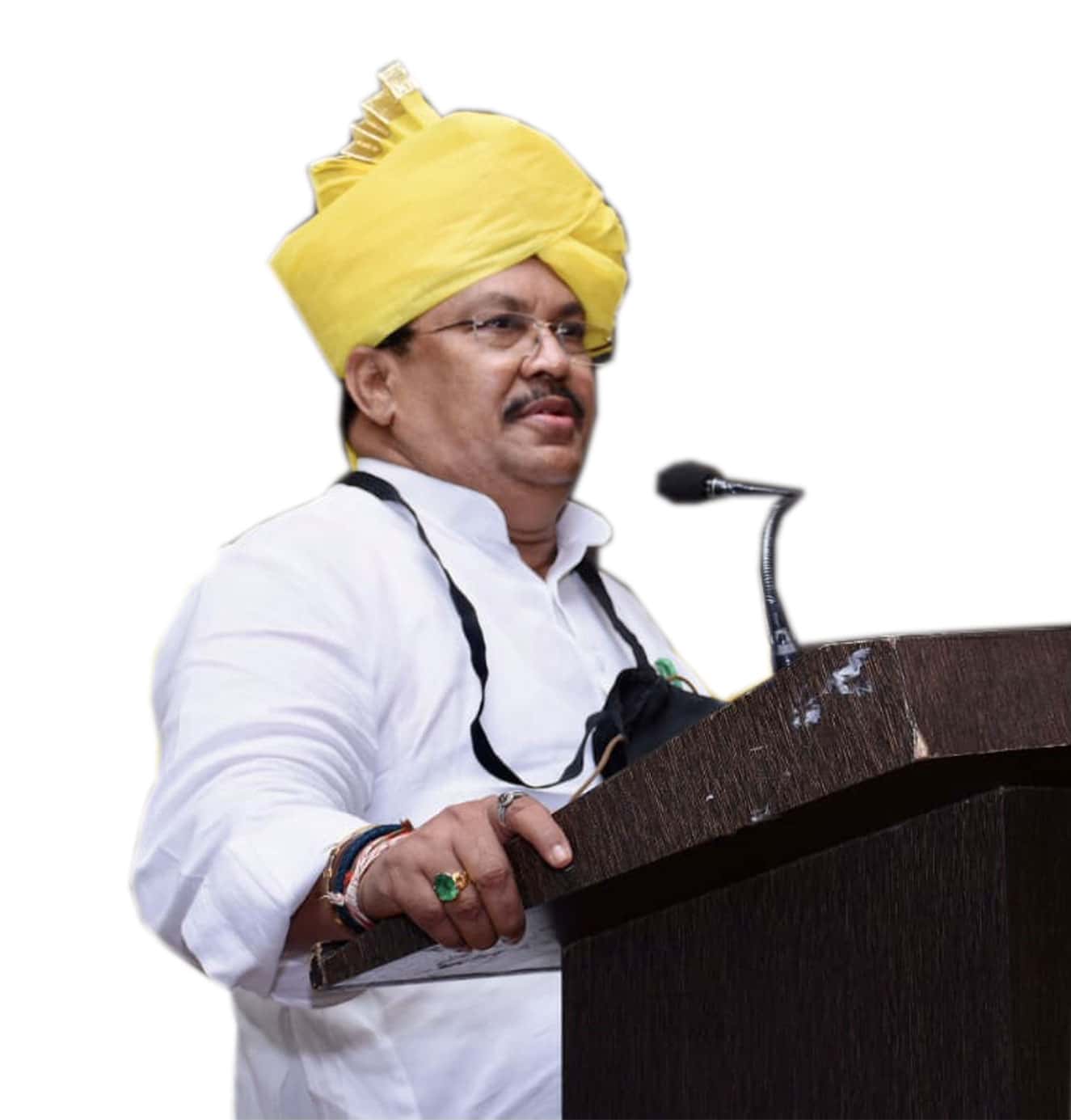
Maharashtra Congress Leader Vijay Wadettiwar Offers Public Apology and Retirement After Calling Sharad Pawar a Backstabber
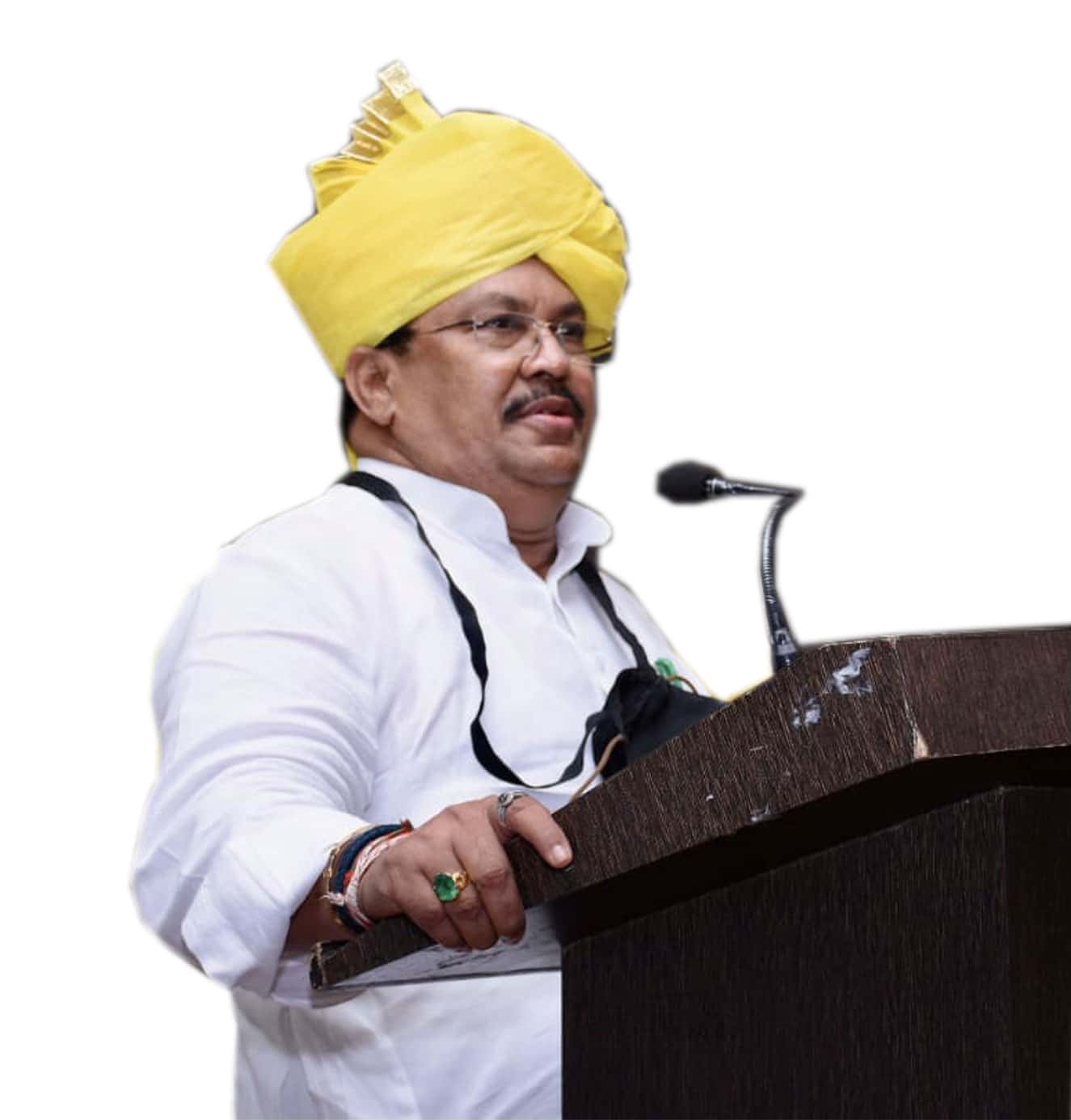
Maharashtra Congress MLA Vijay Wadettiwar Offers Public Apology and Political Exit to Sharad Pawar Over Delimitation Bill Stance