Proposed Uniform Seat Increase Could Lift Lok Sabha Strength to 824 and Protect State Representation
A comparative analysis of delimitation approaches indicates that a uniform 50 percent increase in Lok Sabha seats could raise the lower house’s capacity to 824 while preventing any state from losing representation.

- A uniform 50 percent seat increase could raise Lok Sabha strength from 543 to 824.
- Under a census-based model, southern states like Tamil Nadu and Kerala faced projected seat losses due to population stabilisation success.
- The uniform formula multiplies existing state allocations by 1.5, protecting all regions from representation drops.
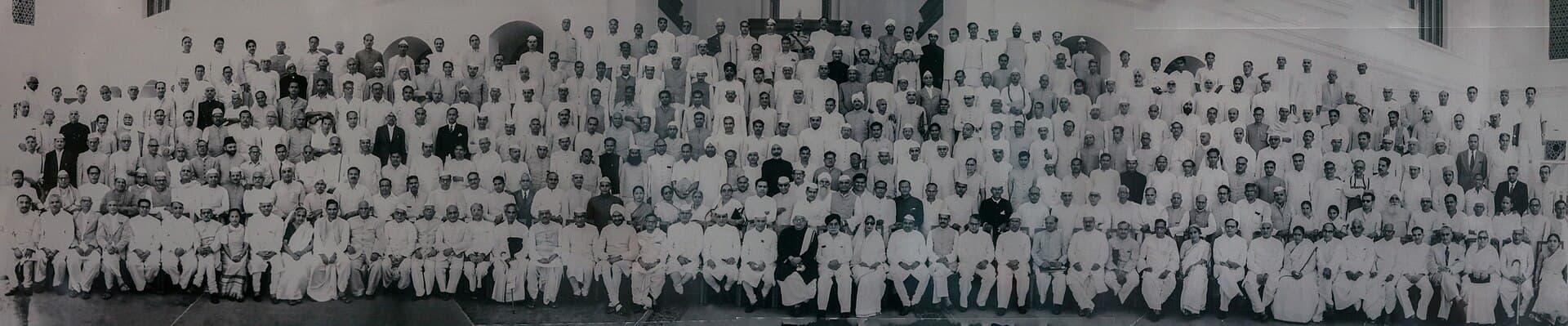
A proposed uniform fifty percent increase across all constituencies could elevate the total strength of the Lok Sabha from its current count of 543 members to 824 members. According to insights from sources referencing a comparative evaluation of prospective delimitation methodologies, this arrangement is designed to guarantee that no union territory or state experiences a drop in its current parliamentary footprint. The comparative study evaluated current seat distribution against two distinct strategies: a traditional redistribution driven by the 2011 Census and a blanket percentage expansion applied uniformly.
Comparative Approaches and Population Concerns
The comparative evaluation indicates that a strictly population-driven model would penalize multiple regions exhibiting slower demographic expansion. Projections under that census-based approach suggest that Tamil Nadu would experience a reduction of seven seats, Kerala would lose five, Andhra Pradesh would decrease by four, and both Punjab and Odisha would face declines. These potential outcomes previously sparked anxieties among southern regions, which feared a diminished relative voice in the lower house despite achieving notable milestones in managing demographic growth.
Mechanics of the Proposed Uniform Formula
In contrast to population-dependent reductions, the uniform expansion model multiplies every existing state and territory allocation by 1.5, rounding up any fractional outcomes. This mathematical approach prevents any regional decrease while expanding national parliamentary capacity. Under this framework, Uttar Pradesh would see its representation expand from 80 to 120 seats, while Maharashtra would climb from 48 to 72 constituencies. Similarly, West Bengal would move from 42 to 63 seats, Bihar would rise from 40 to 60, and Tamil Nadu would grow from 39 to 59 seats rather than facing a seven-seat loss.
Parliamentary Schedule and Legislative Intent
The comparative analysis is positioned to alleviate worries surrounding demographic penalties while augmenting representation nationwide. Meanwhile, the central administration has reconvened a special parliamentary sitting starting Monday to introduce legislative measures. These upcoming bills aim to amend the law governing women's reservations and facilitate a delimitation process capable of expanding the lower house up to a maximum ceiling of 850 seats.
- Total Lok Sabha strength could reach 824 through a uniform 50 percent increase.
- Census-based redistribution threatened to reduce seats in Tamil Nadu, Kerala, Andhra Pradesh, Punjab, and Odisha.
- The Centre reconvened a special session of Parliament starting Monday to table delimitation and women's reservation bills up to a maximum of 850 seats.
- A proposed uniform fifty percent increase across all constituencies could elevate the total strength of the Lok Sabha from its current count of 543 members to 824 members.
Spotted an error? · Our editorial policy
UP NEXTBhojpuri Actor Pawan Singh Severs Family Ties Amid Divorce ProceedingsSwipe more stories · Indian PoliticsQuick cards, a few lines each. Tap to open.More from Indian Politics
India Prepares Constitutional Amendment to Raise Parliament Strength and Implement Women’s Reservation
Maharashtra Congress Leader Vijay Wadettiwar Offers Public Apology and Retirement After Calling Sharad Pawar a Backstabber
Maharashtra Congress MLA Vijay Wadettiwar Offers Public Apology and Political Exit to Sharad Pawar Over Delimitation Bill Stance