Viral Video of Passenger Performing Rituals With Open Flame Inside Train Coach Prompts Indian Railways Probe
Indian Railways has initiated an inquiry after a video circulated online showing a traveller lighting an oil lamp and blowing a conch shell inside a moving air-conditioned train compartment.

- A video showed a train passenger lighting an oil lamp and blowing a conch shell inside an air-conditioned coach.
- Indian Railways requested the public to share travel details, train numbers, and PNR data via Rail Sewa to investigate.
- Authorities urged passengers to report safety violations through the RailMadad portal or helpline number 139.
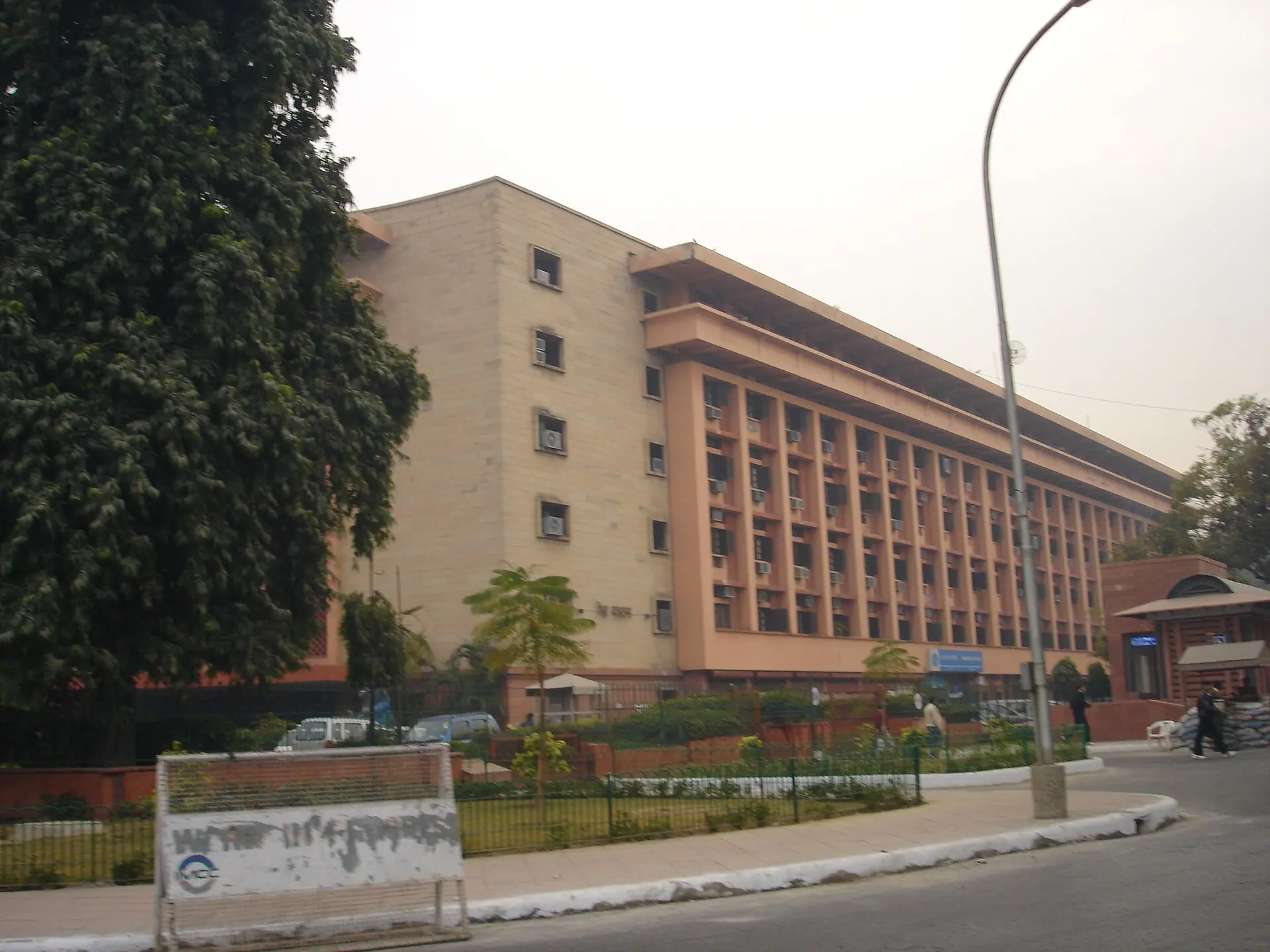
A video recording capturing a train passenger conducting religious rites inside a moving air-conditioned coach has circulated widely across social media platforms. The footage shows an individual seated in the compartment while performing an aarti, blowing a conch shell, and maintaining a small table holding a lit oil lamp, floral tributes, and a framed religious image. The visuals immediately drew sharp criticism from online observers, who highlighted the inherent dangers of introducing an open flame into a confined, crowded railway environment where multiple travelers sleep, store baggage, and handle personal items.
Indian Railways Response and Investigation
In response to the widely shared footage, the official Rail Sewa support handle on social media requested concerned individuals to furnish specific journey particulars to facilitate a formal examination. Authorities asked for details including the exact date and time of the occurrence, the train number, passenger mobile contacts, and the Passenger Name Record or UTS number. Rail representatives emphasized that such information is vital to trace the circumstances, identify the individuals involved, and initiate appropriate follow-up actions regarding the safety breach.
Official Safety Channels and Reporting Protocols
Railway administrators reiterated public safety appeals, encouraging passengers to actively report any flammable items, open flames, or hazardous practices witnessed during transit. Travelers can log grievances directly through the digital RailMadad portal by providing the train number, incident date, specific coach and berth locations, descriptive text, and supporting media files. Alternatively, individuals without internet access can dial the integrated helpline number 139 for immediate assistance and rapid redressal of safety complaints.
Existing Fire Prevention Measures and Risk Awareness
Official guidelines and disaster-management literature published by regional railway authorities consistently warn against open flames, cooking stoves, gas cylinders, and discarded smoking materials inside rolling stock. To mitigate potential fire hazards, the Ministry of Railways outlined several infrastructural safeguards deployed across its network, including fire extinguishers installed at a rate of minimum two units per coach, smoke detection systems, emergency evacuation windows, and fire-retardant interior materials utilized for seats, flooring, and paneling. Furthermore, specialized detection and water-mist suppression systems are being progressively integrated into pantry and power cars to enhance overall emergency preparedness.
- Social media footage depicted a passenger performing religious rituals with an open flame in an AC train coach.
- Indian Railways sought travel particulars via its Rail Sewa account to trace and examine the occurrence.
- The national transporter highlighted safety reporting channels such as RailMadad and helpline 139 for passengers.
- Official guidelines prohibit open flames due to severe fire risks in enclosed railway environments.
Spotted an error? · Our editorial policy
UP NEXTGovernment Proposes New Delimitation Legislation to Implement Women’s ReservationSwipe more stories · IndiaQuick cards, a few lines each. Tap to open.More from India
Supreme Court Issues Contempt Notices Over Madurai Temple Lamp Dispute
RSS Chief Mohan Bhagwat Says Lack of Compassion Drives Global and National Crises
Supreme Court Asks Centre to Consider Mother-Based Caste Certificates in Specific Cases