Supreme Court Warns Rajasthan Over Jojari-Bandi-Luni River Pollution
The Supreme Court warned the Rajasthan government of potential contempt action over its lethargic response to severe pollution in the Jojari-Bandi-Luni river ecosystem.

- Supreme Court warned Rajasthan of potential contempt over Jojari-Bandi-Luni river pollution.
- Bench criticized state lethargy and red-tapism regarding industrial restrictions and clean-up.
- Special investigation team formed to probe illegal bajri mining in river basins.
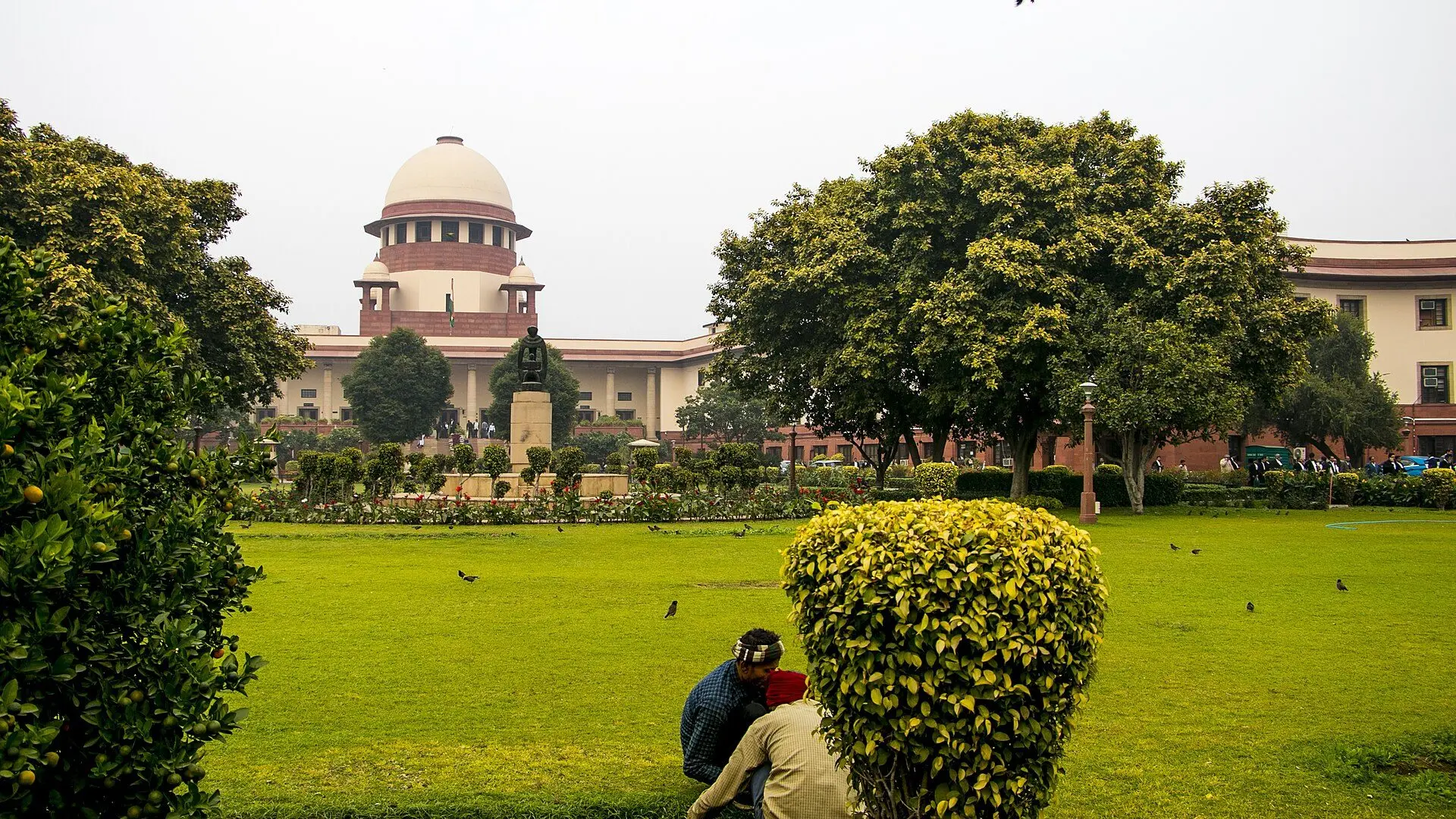
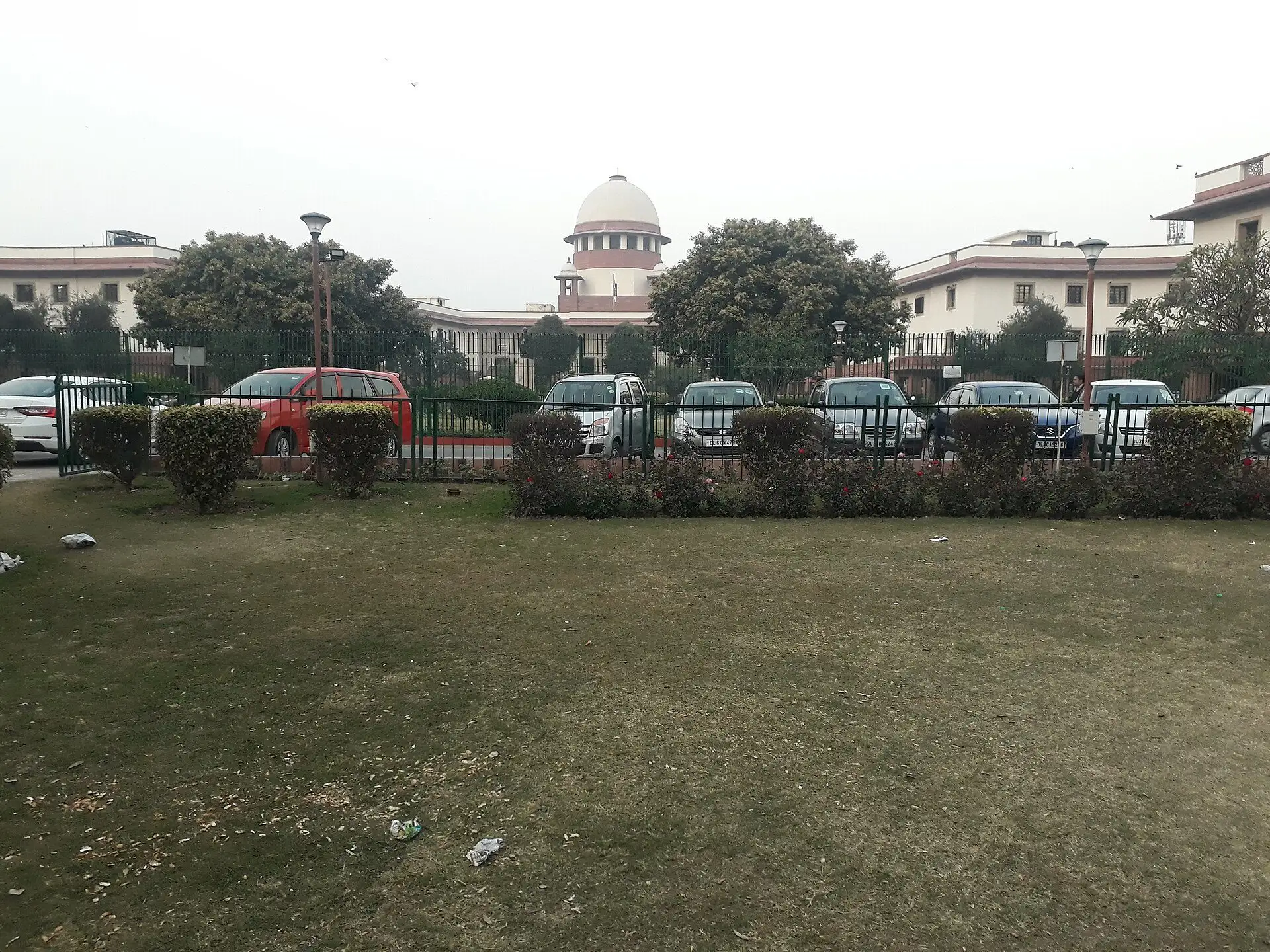
The Supreme Court sharply criticized the Rajasthan government for its administrative inaction and slow pace in addressing severe contamination across the Jojari, Bandi, and Luni river network. A judicial bench comprising Justices Vikram Nath and Sandeep Mehta expressed deep dissatisfaction with the state administration, cautioning that officials could face suo motu contempt proceedings if they failed to execute tangible remedial measures on the ground. The court stressed that bureaucratic delays and internal red-tapism would no longer be tolerated, warning that strict penalties would follow if authorities remained unresponsive.
River Ecosystem Contamination and Affected Regions
The suo motu proceedings focus on severe ecological degradation affecting the Jojari, Bandi, and Luni rivers, which traverse through the urban and industrial centers of Jodhpur, Pali, and Balotra respectively, before converging near Balotra city. Assisting the bench as amicus curiae, senior advocate Balbir Singh reminded the court of an October 26 judicial directive that prohibited the state administration from approving any new industrial facilities near the riverine system until buffer zones and the high flood line were properly mapped through scientific methods. Reviewing the state's filed response during the Friday hearing, the bench characterized the official submission as entirely lethargic and inadequate.
Illegal Mining Investigations and Drinking Water Concerns
Addressing wider environmental degradation, the amicus curiae reported that a special investigation team had been formed to investigate organized illegal bajri mining impacting the three rivers and their tributaries, resulting in several registered first information reports as detailed in the state status report. Expanding on regional hardships, the bench highlighted severe drinking water scarcity facing residents in Balotra and proposed constructing an approximate 100-kilometer pipeline connected to the Narmada canal to supply adequate drinking water. Justices Nath and Mehta emphasized that a collaborative pipeline initiative between central and state authorities would immensely benefit the local population.
Previous Directives and Upcoming Schedule
The apex court has previously issued multiple administrative directives to address the ecological crisis, including an August order mandating the creation of an Integrated Coordination Group led by the chief secretary to ensure time-bound execution. Furthermore, a high-level ecosystem oversight committee was established in November of the previous year to diagnose root causes, supervise pollution control measures, and propose long-term ecological restoration frameworks. Warning that both individual officers and the state government would suffer consequences without a concrete action blueprint, the bench scheduled the matter for December 10 to issue formal orders.
- The Supreme Court criticized Rajasthan for lethargy regarding the Jojari, Bandi, and Luni river pollution.
- An SIT has been set up to investigate illegal bajri mining affecting the river networks.
- The bench proposed a 100-km Narmada canal pipeline to resolve Balotra drinking water shortages.
- The Supreme Court sharply criticized the Rajasthan government for its administrative inaction and slow pace in addressing severe contamination across the Jojari, Bandi, and Luni river network.
Spotted an error? · Our editorial policy
UP NEXTGovernment Proposes New Delimitation Legislation to Implement Women’s ReservationSwipe more stories · IndiaQuick cards, a few lines each. Tap to open.More from India
Supreme Court Issues Contempt Notices Over Madurai Temple Lamp Dispute
RSS Chief Mohan Bhagwat Says Lack of Compassion Drives Global and National Crises
Supreme Court Asks Centre to Consider Mother-Based Caste Certificates in Specific Cases