Supreme Court Urges Legislative Clarification of SARFAESI Act Priority Provisions
The Supreme Court has suggested that Parliament amend the SARFAESI Act to provide an authoritative definition for the phrase ‘all other debts’ to reduce ongoing legal uncertainty.

- The Supreme Court recommended Parliament amend Section 26E of the SARFAESI Act to define 'all other debts' authoritatively.
- The bench referred the legal question of whether depositor claims under a state act fall under SARFAESI priority to a three-judge bench.
- Justices Pardiwala and Bhuyan stated that current ambiguities create unnecessary litigation and harm the financial sector.

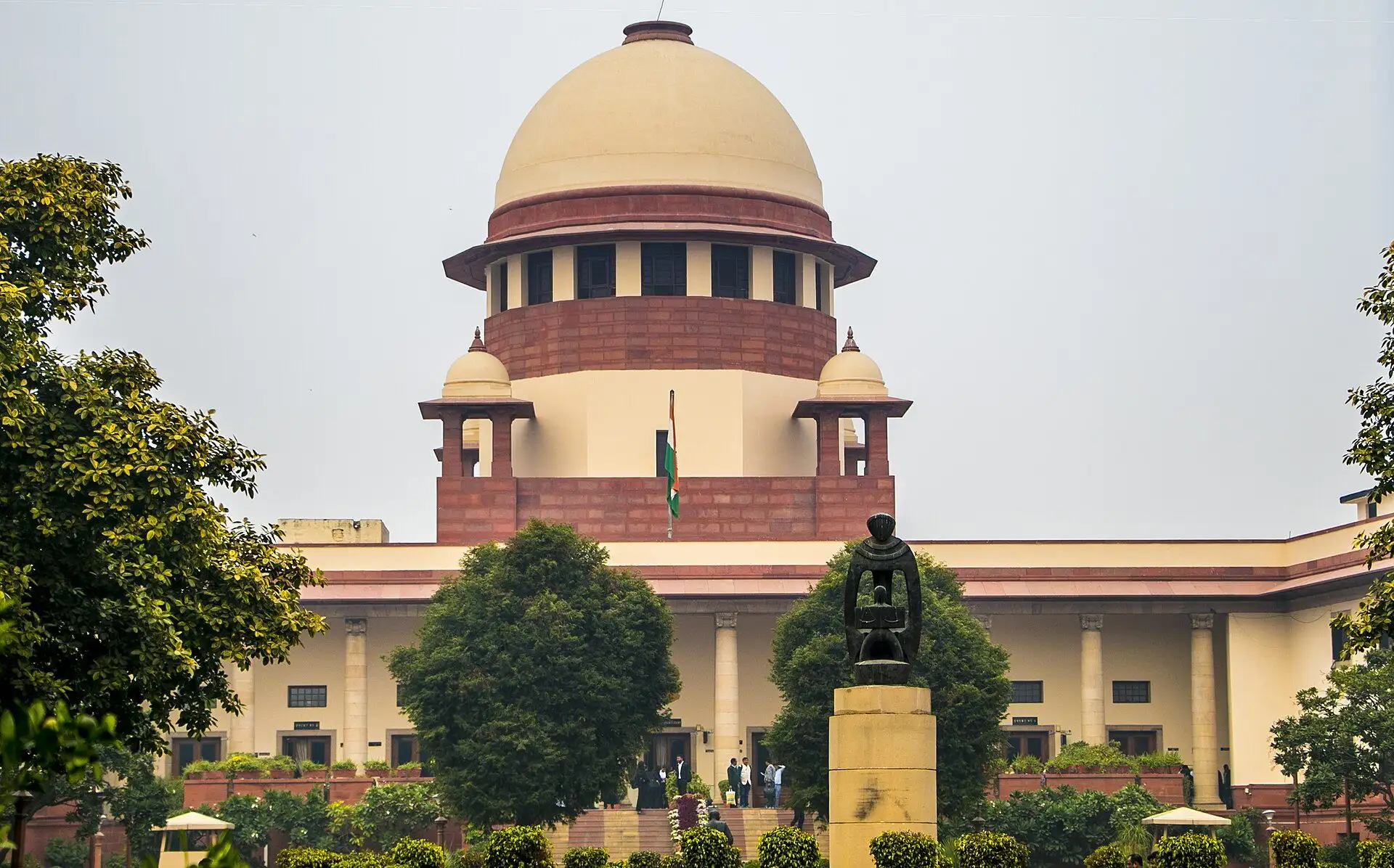
The Supreme Court of India has formally suggested that Parliament consider amending Section 26E of the Securitisation and Reconstruction of Financial Assets and Enforcement of Security Interest (SARFAESI) Act, 2002. The court emphasized the necessity of providing an authoritative explanation for the phrase "all other debts," which is currently contained within the provision. A bench consisting of Justices J.B. Pardiwala and Ujjal Bhuyan highlighted that this legislative step could offer much-needed clarity to the financial and banking sectors.
Referral to a Larger Bench
This recommendation emerged as the judges referred a complex legal question to a three-judge bench for further examination. The central issue concerns whether "deposits" subject to recovery under the Maharashtra Protection of Interest of Depositors (in Financial Establishments) Act, 1999, should be categorized within the "all other debts" provision of the SARFAESI Act. The court noted that resolving such ambiguities through definitive legislative action would help curb the high volume of litigation currently challenging the interpretation of these statutes.
Impact on Financial Stability
In their observations, the justices expressed concern that lingering uncertainty regarding the recovery of debts by secured creditors is detrimental to the public interest and potentially damaging to the nation's financial framework. Consequently, the bench urged the Ministry of Finance's Department of Financial Services to take the suggestion seriously and pursue the necessary legislative modifications to strengthen the existing security interest registration mechanism.
Origin of the Legal Dispute
The court's comments were made during the hearing of an appeal filed by the State Bank of India (SBI). The bank had challenged a ruling from the Bombay High Court, which had upheld an order by a designated court under the Maharashtra Protection of Interest of Depositors Act. That specific lower court order had previously blocked the bank's attempt to appropriate approximately Rs 3.5 crore generated from the sale of a property that had been mortgaged and securitized under the provisions of the SARFAESI Act.
- Legislators are urged to amend Section 26E to clear up statutory ambiguity regarding creditor priority.
- The Supreme Court is moving the debate to a larger bench for a definitive ruling on debt classification.
- The Department of Financial Services has been tasked with considering the court's recommendation for legal reform.
- The Supreme Court of India has formally suggested that Parliament consider amending Section 26E of the Securitisation and Reconstruction of Financial Assets and Enforcement of Security Interest (SARFAESI) Act, 2002.
Spotted an error? · Our editorial policy
UP NEXTGovernment Plans Three Legislative Measures for Women’s Quota and House Seat ExpansionSwipe more stories · IndiaQuick cards, a few lines each. Tap to open.More from India
Supreme Court Issues Contempt Notices Over Madurai Temple Lamp Dispute

RSS Chief Mohan Bhagwat Says Lack of Compassion Drives Global and National Crises
Supreme Court Asks Centre to Consider Mother-Based Caste Certificates in Specific Cases