President Murmu Highlights Case Pendency Challenge and Need for Timely Justice at Constitution Day Event
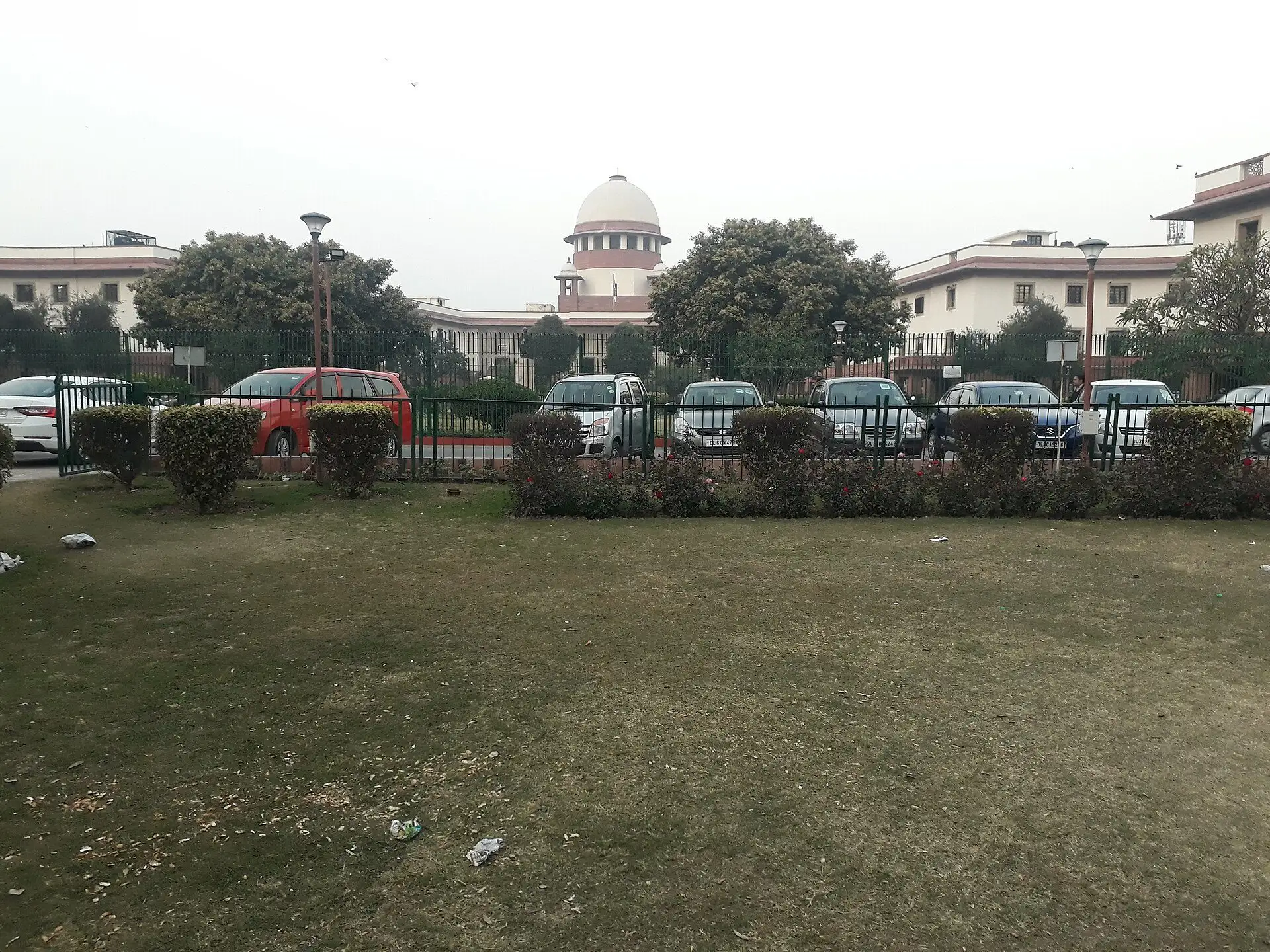
President Droupadi Murmu stated that a massive backlog of pending cases remains a major challenge for the Indian justice delivery system while addressing Constitution Day celebrations in New Delhi.

- President Droupadi Murmu called the massive backlog of pending cases a major challenge for India's justice delivery system during Supreme Court Constitution Day celebrations.
- She highlighted government and national law university collaborations to tackle pending criminal cases in specific districts using students and pro bono clubs.
- She stressed the importance of free legal aid, greater female representation in the judiciary, and ethical legal education.
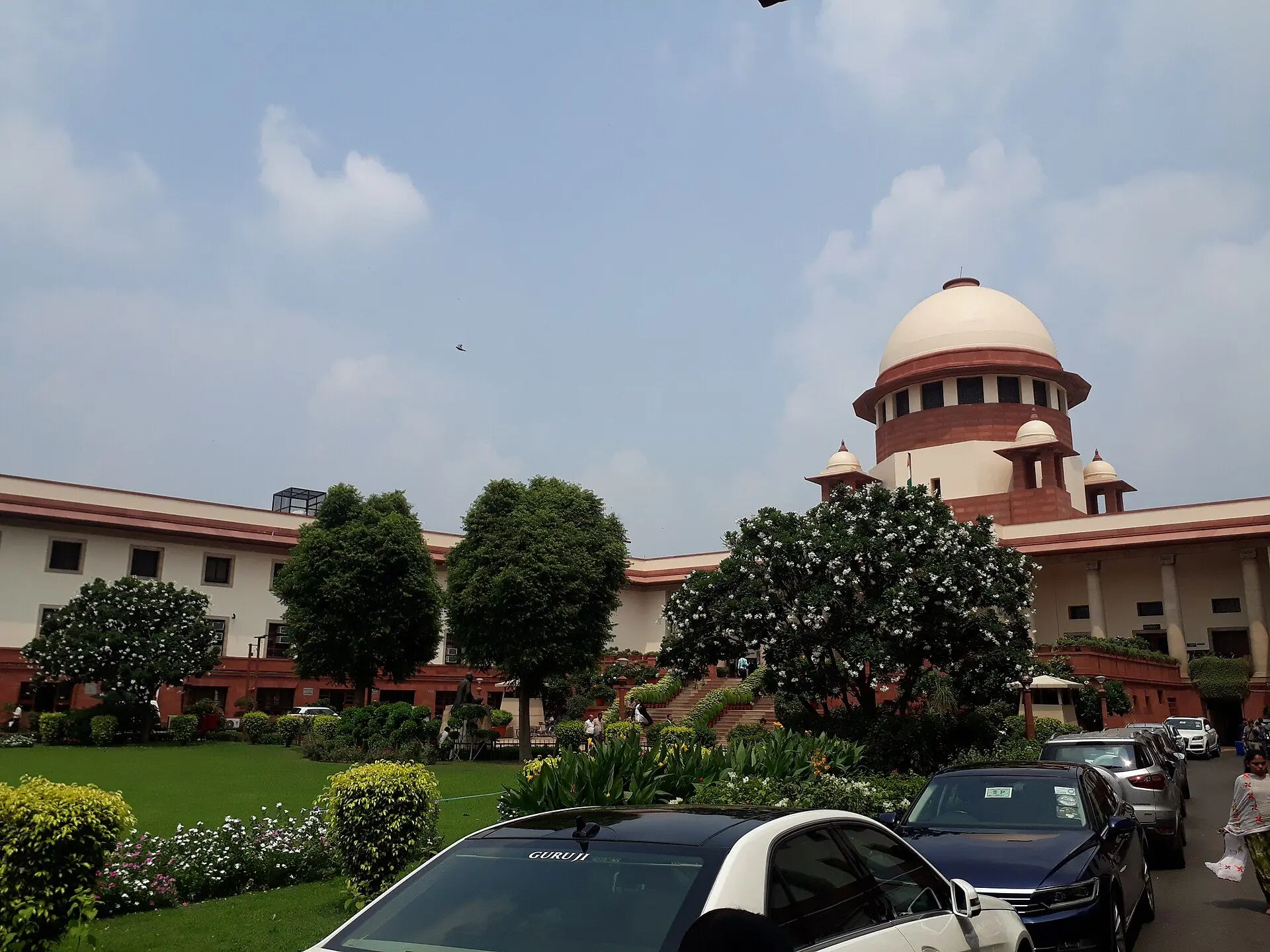
President Droupadi Murmu addressed the Constitution Day celebrations organized by the Supreme Court in New Delhi, where she underscored that a massive backlog of pending cases continues to pose a significant hurdle for the national justice delivery system. She noted that while timely delivery of justice remains an essential component of the broader concept of justice, realizing this goal requires continuous dedication from all institutions. The judiciary has implemented various measures to improve access, including procedural simplification, digital technology integration, and the establishment of special courts. Despite these ongoing initiatives, the sheer volume of pending litigation demands sustained resolution efforts across every tier of the judicial framework.
Expanding Legal Aid and Grassroots Collaboration
Highlighting constitutional directives, President Murmu pointed out that ensuring equal opportunity through free legal aid is fundamental to making justice accessible to economically disadvantaged and marginalized segments of the population. She remarked that many citizens lack the requisite resources to approach high courts or the Supreme Court directly, making the quality and reliability of representation at the grassroots level critically important. District, state, and national legal services authorities must consequently intensify their outreach to protect vulnerable populations. Additionally, she acknowledged a central government initiative partnering with national law universities to deploy students, researchers, and pro bono clubs to address high volumes of pending criminal cases in specific districts, which simultaneously fosters sensitivity and practical legal understanding among students.
Education, Inclusion, and Judicial Accountability
Expanding on broader societal development, the president emphasized that education serves as a primary catalyst for upward mobility, allowing children born into poverty to transform their futures. She also commended government initiatives ensuring universal adult franchise and noted progress in eliminating Naxalism, urging reflection on the socioeconomic roots of extremism. Within legal education, she argued that empathy and ethics must be accorded equal weight alongside statutory study. Furthermore, she advocated for broader participation of women in both the Bench and the Bar to foster a more inclusive and balanced society. Finally, she commended the Supreme Court for prioritizing vulnerable groups such as senior citizens, specially abled individuals, and acid attack victims, while emphasizing the importance of maintaining a balance between judicial independence and accountability.
- Massive case backlogs remain a primary obstacle for timely justice delivery in India.
- Free legal aid and reliable representation are essential constitutional guarantees for impoverished citizens.
- Central authorities are collaborating with national law universities to address pending criminal cases in select districts.
Spotted an error? · Our editorial policy
UP NEXTLionel Messi Reports Seeking to Restrict AFA Commercial Use of His ImageOther angles · #Constitution Day
Timeline →- NewsUnion Minister Vaishnaw Criticizes Tamil Nadu Government Over Religious Traditions and Railway Projects
- NewsUttar Pradesh Congress Leaders Detained During Unauthorised Constitution Day March in Lucknow
- NewsTen Former Chief Justices Open India’s First CJI Museum at O.P. Jindal Global University
- NewsUnion Home Minister Amit Shah Pledges Uniform Civil Code Implementation in BJP-Run States
More from India
Supreme Court Issues Contempt Notices Over Madurai Temple Lamp Dispute
RSS Chief Mohan Bhagwat Says Lack of Compassion Drives Global and National Crises
Supreme Court Asks Centre to Consider Mother-Based Caste Certificates in Specific Cases