New Study Highlights Pervasive Insecurity Among Women and Girls in Delhi
A survey of 1,588 residents reveals that nearly 90% of women and girls in Delhi feel unsafe walking to public transport and utilizing local parks after dark.

- 87.5% of women and girls in Delhi feel unsafe walking to transit points.
- 88.9% of respondents feel unsafe in public parks after dark.
- 80.5% of those surveyed cannot identify the civic authorities responsible for infrastructure maintenance.
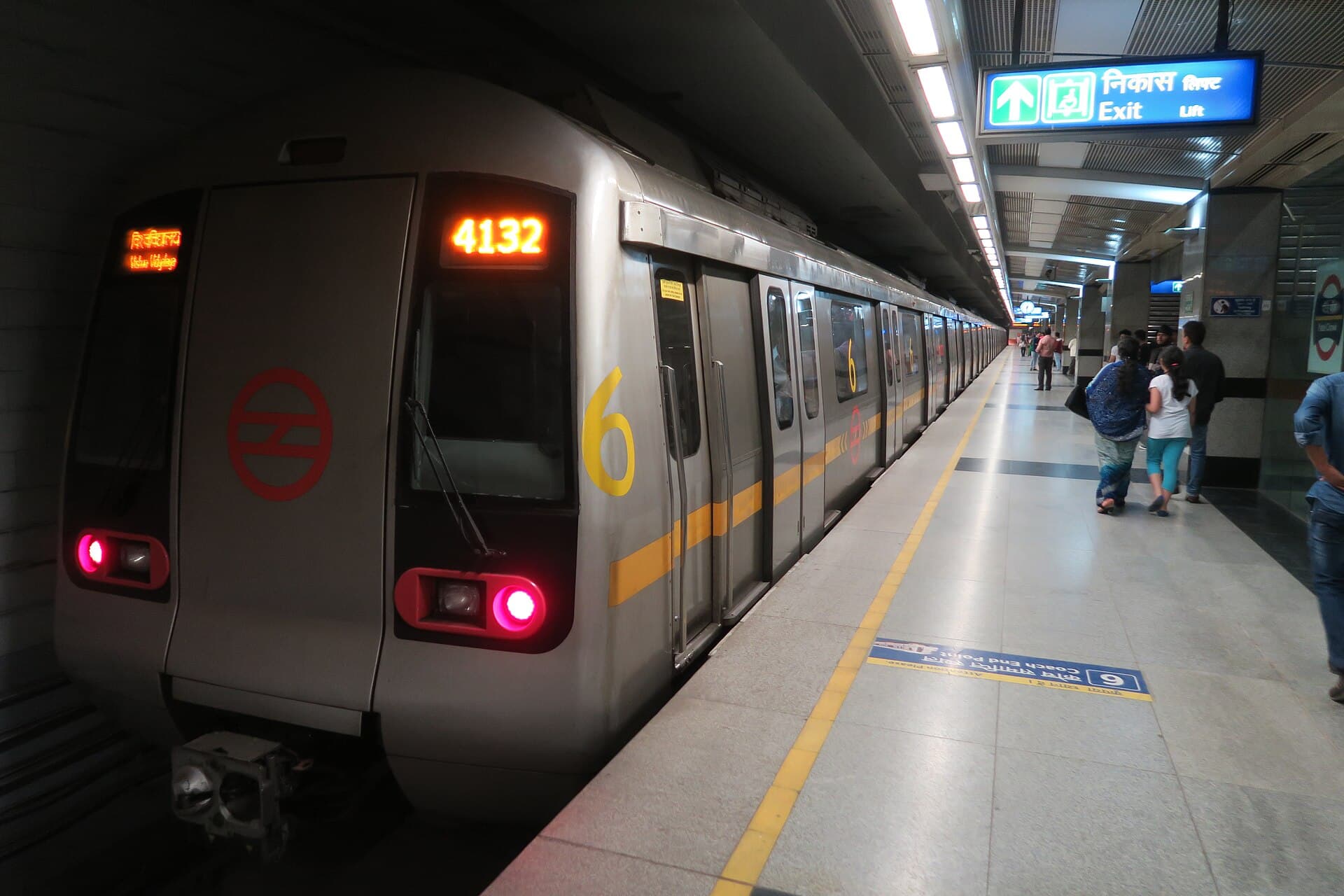
A recent study by the Centre for Equity and Inclusion (CEQUIN) has shed light on the significant safety challenges faced by women, girls, and LGBTQ+ individuals in Delhi. According to the research, 87.5% of the 1,588 respondents reported feeling insecure when walking to their nearest bus stop or metro station. Furthermore, 88.9% stated they felt unsafe in public parks after sunset.
Infrastructure and Social Factors
The report, titled 'Everyday Journeys: Women’s and Girls’ Access to Footpaths and Public Parks in Delhi,' identifies that safety concerns are deeply linked to both physical environment and social interactions. More than three-quarters of those surveyed identified poorly lit footpaths as a major hazard, while 60% pointed to damaged or missing sidewalk infrastructure. Beyond the physical environment, social pressures significantly impact mobility; nearly 80% of participants cited predatory behaviors such as stalking, verbal harassment, and intrusive staring by men as factors that render daily commutes unsafe.
Institutional Accountability Gaps
A primary finding of the study is an overwhelming lack of awareness regarding municipal governance. Approximately 80.5% of respondents could not identify which specific civic body is responsible for maintaining public safety or infrastructure. Lora K Prabhu, co-founder and managing director of CEQUIN, noted that this widespread inability to hold authorities accountable effectively excludes women from equal participation in the city. The organization argues that these safety gaps, alongside restricted mobility, likely contribute to the city's gender disparity in labor participation, where the female rate stood at 14.5% compared to 54% for men in 2023-24.
Context and Future Steps
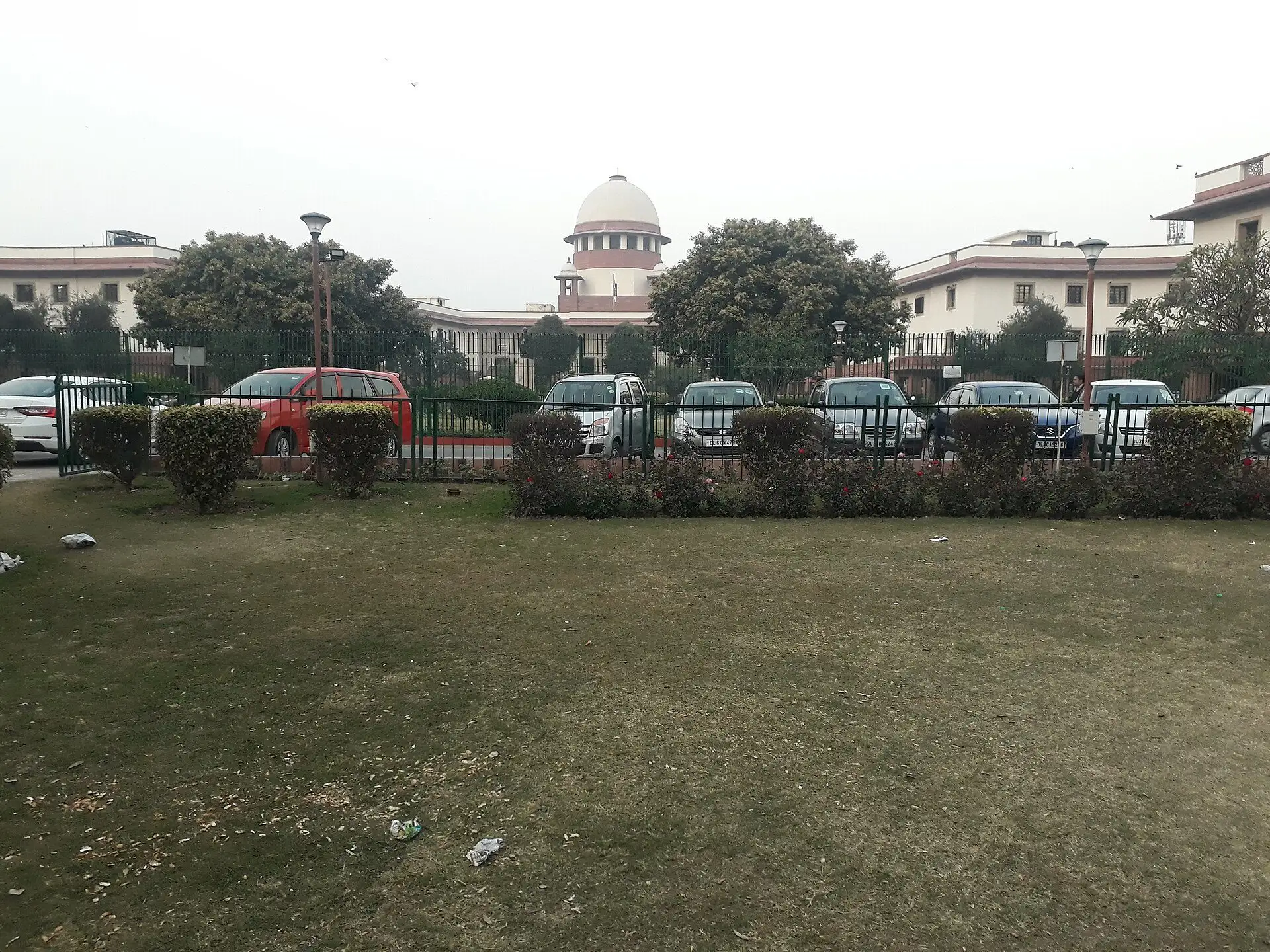
The research, which draws on 17 years of advocacy experience, was compiled in response to a Supreme Court intervention initiated on September 28. That judicial action followed a surge in sexual violence reports, including a high-profile case at Aastha Kunj Park. Citing National Crime Records Bureau statistics, the report highlights that Delhi recorded 13,396 crimes against women in 2024, the highest count among the 19 major metropolitan cities in India. CEQUIN has submitted its findings and recommendations to the Supreme Court, advocating for gender-responsive urban planning. The full study is scheduled for formal release this Wednesday during the organization's 'Hain Haq Hamara Hissedari' event, which coincides with the launch of the '16 Days of Activism' against gender-based violence.
- Nearly 9 out of 10 women and girls in Delhi feel unsafe when traveling to public transport.
- Harassment and poor infrastructure are primary contributors to feelings of insecurity.
- A significant majority of citizens are unaware of which government authorities to contact regarding these public space issues.
- A recent study by the Centre for Equity and Inclusion (CEQUIN) has shed light on the significant safety challenges faced by women, girls, and LGBTQ+ individuals in Delhi.
Spotted an error? · Our editorial policy
UP NEXTGovernment Proposes New Delimitation Legislation to Implement Women’s ReservationSwipe more stories · IndiaQuick cards, a few lines each. Tap to open.More from India
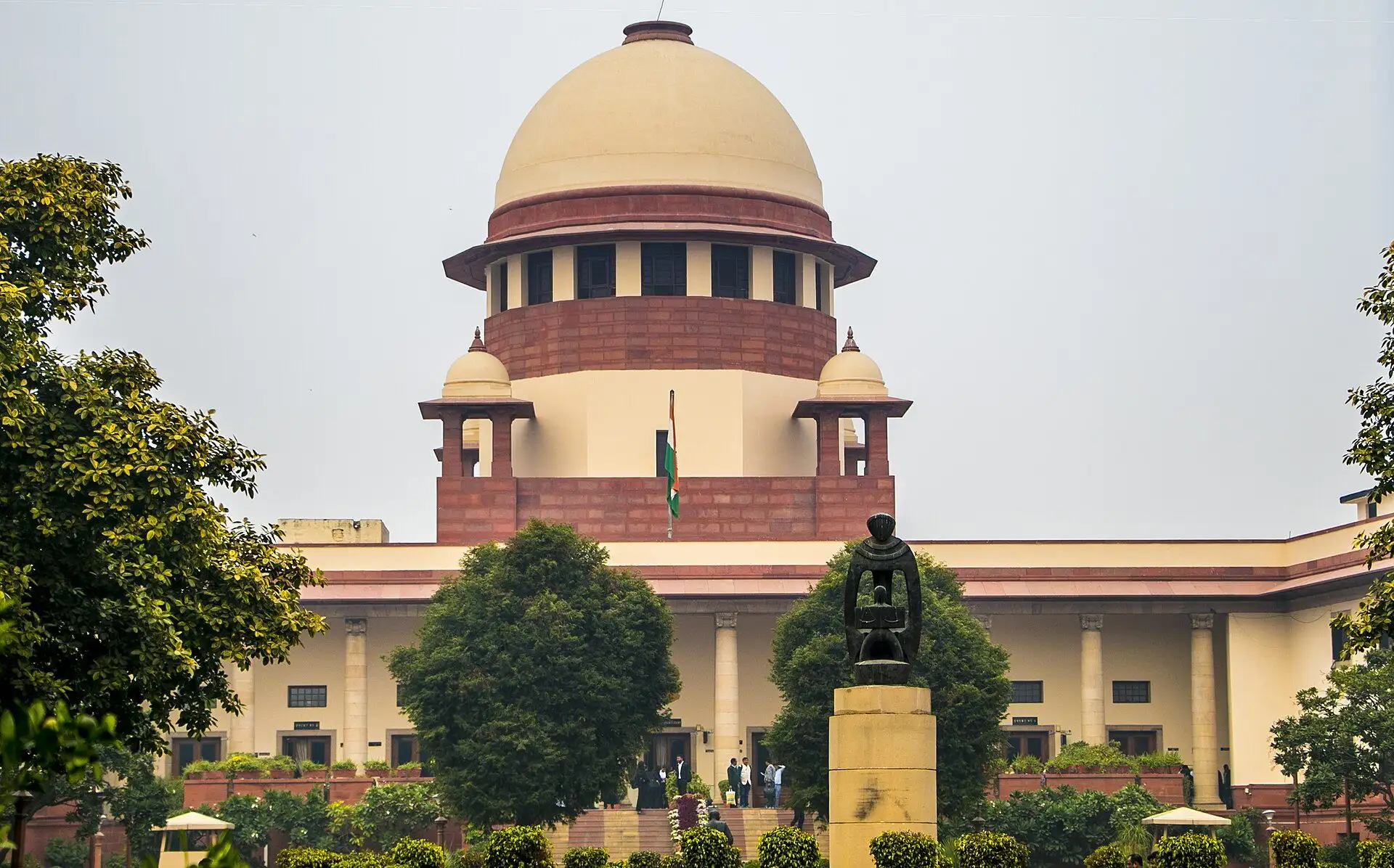
Supreme Court Issues Contempt Notices Over Madurai Temple Lamp Dispute
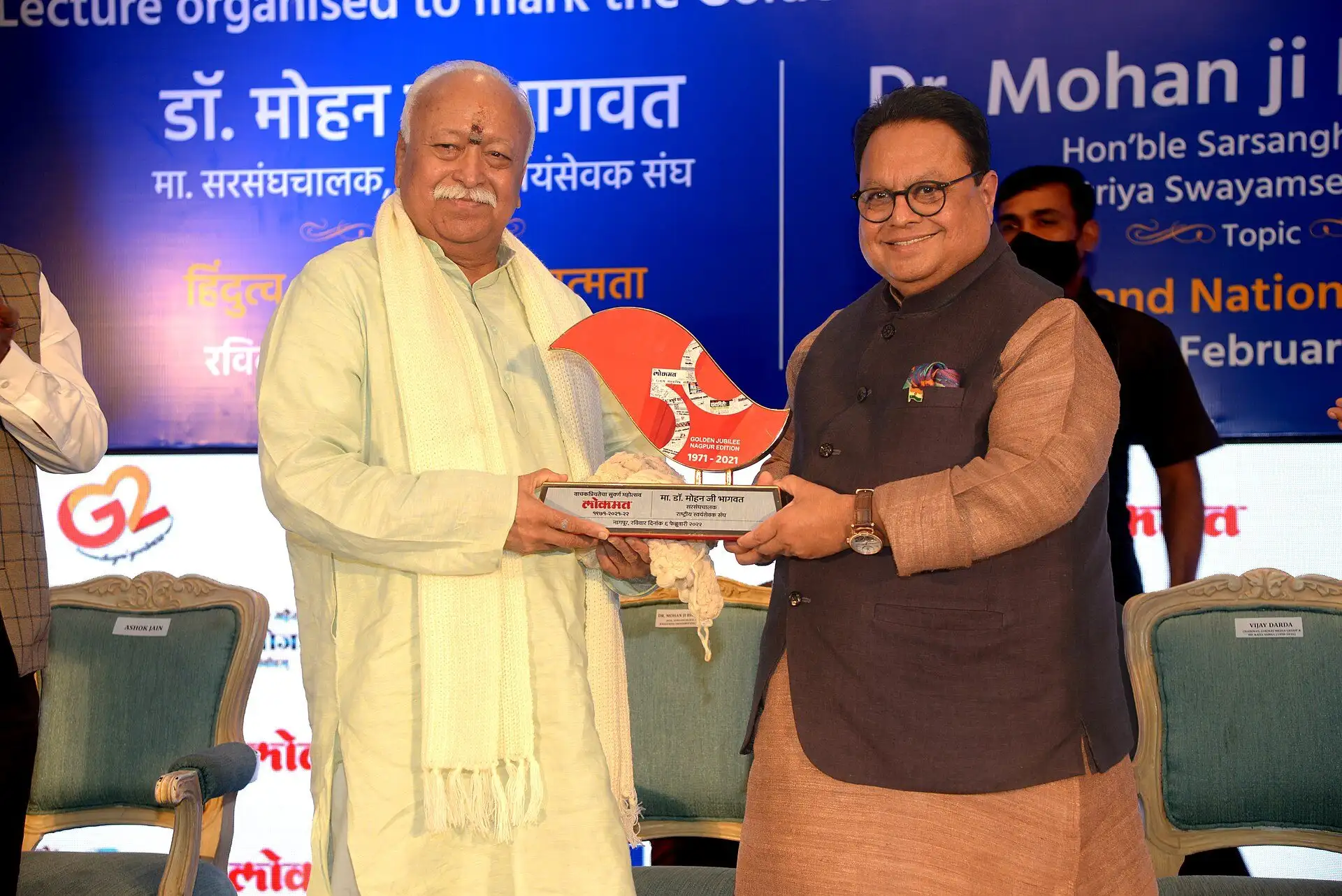
RSS Chief Mohan Bhagwat Says Lack of Compassion Drives Global and National Crises
Supreme Court Asks Centre to Consider Mother-Based Caste Certificates in Specific Cases