How November 26 Transformed from Law Day into India’s Constitution Day
November 26 has evolved from being observed exclusively as Law Day by the legal community into India’s national Constitution Day, expanding public awareness of constitutional values alongside judicial evaluation.

- November 26 was observed as Law Day for decades before being designated as Constitution Day in 2015.
- The Constituent Assembly adopted the Constitution of India on November 26, 1949, and it came into force on January 26, 1950.
- LM Singhvi initiated the prominence of Law Day in 1979 to review the legal and judicial system.
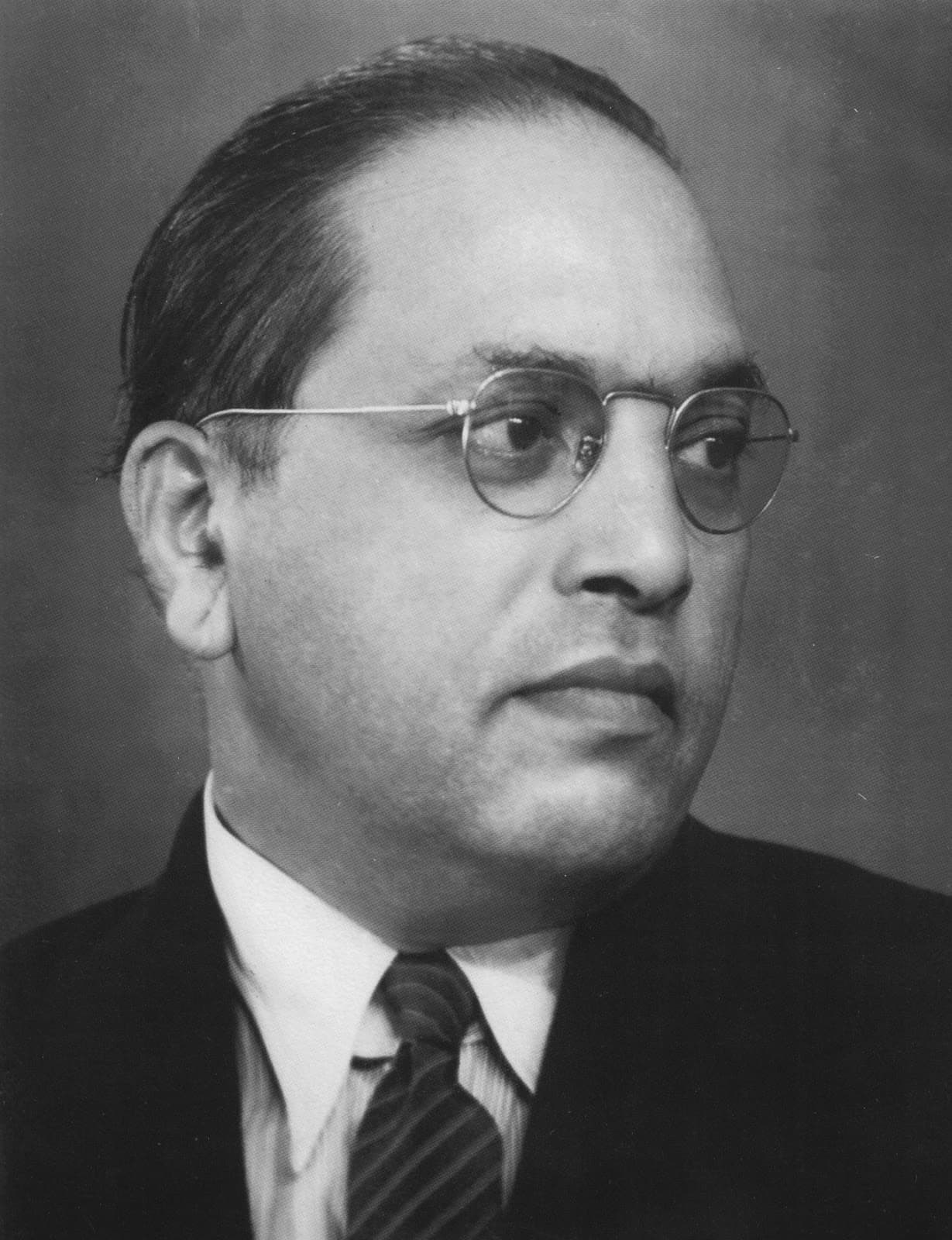
For decades prior to the establishment of national celebrations for Constitution Day, November 26 held a specific designation across India as Law Day, observed predominantly within the legal fraternity. The historical foundation of this date traces back to November 26, 1949, when the Constituent Assembly officially adopted the Constitution of India following nearly three years of thorough deliberations. Although the nation later marked January 26, 1950, as Republic Day when the text formally came into force, November 26 carved out a distinct commemorative path focused initially on judicial administration.
The Emergence and Objectives of Law Day
The observance of Law Day gained institutional prominence in 1979 through the active initiative of LM Singhvi, a prominent Indian jurist, constitutional expert, and president of the Supreme Court Bar Association. According to Anju Rathi Rana, Member Secretary of the Law Commission and former Law Secretary, the date was deliberately chosen to commemorate the historic adoption of the governing document while creating a structured occasion to examine the functioning of the nation's legal and judicial framework. MN Krishnamani, a former president of the Supreme Court Bar Association, noted in a 2004 address that Singhvi established seven core objectives for the observance. These goals included reviewing the state of law and justice administration, suggesting systemic improvements, strengthening the relationship between the Bar and the Bench, safeguarding the independence of the judiciary and the freedom of the legal profession, ensuring the judicial system effectively served the public, and maintaining public confidence in legal institutions. In 1985, Justice PN Bhagwati further underscored the fundamental role of law in society and its intended purpose within a Republic governed by the Rule of Law. Over subsequent years, judges, lawyers, and jurists integrated Law Day into the legal calendar through dedicated discussions and institutional programs.
The Introduction of Constitution Day in 2015
A major structural shift occurred in November 2015 during nationwide commemorations honoring the 125th birth anniversary of BR Ambedkar, who served as Chairman of the Drafting Committee of the Constituent Assembly. The Ministry of Social Justice and Empowerment issued a Gazette notification establishing November 26 as Constitution Day, explicitly acknowledging Ambedkar's drafting contributions and aiming to promote constitutional values among ordinary citizens. A Press Information Bureau release issued on November 23, 2015, outlined extensive cross-ministerial activities to mark the inaugural national observance. Educational institutions were directed to have students read the Preamble during morning assemblies and dedicate class periods to studying the Constitution's history and salient features, while colleges organized mock parliamentary sessions, debates, essay competitions, and quizzes. Public engagement extended through National Service Scheme and Nehru Yuva Kendra volunteers, a Run for Equality organized by the Sports Authority of India, the illumination of Parliament House, and special events hosted by Indian missions abroad.

A Twin Process of Commemoration
The establishment of Constitution Day did not formally replace the pre-existing tradition of Law Day; instead, it introduced an additional dimension to the historical date. The two observances maintained separate contextual roots while sharing the same foundation, with Law Day focusing internally on legal institutions and Constitution Day prioritizing wider public engagement regarding citizen rights and responsibilities. The continuity of both traditions was highlighted in 2017 when the Law Commission of India and NITI Aayog jointly organized a National Law Day Conference. During the inauguration, then-President Ram Nath Kovind characterized the dual observances as a twin process of naming, emphasizing the symbiotic relationship between law and the Constitution. Former Union Law Secretary PK Malhotra observed that as India marks 77 years since the adoption of its foundational text, the original questions raised by Law Day regarding accessibility, institutional independence, and public confidence remain vital, while Constitution Day introduces the complementary responsibility of ensuring citizens thoroughly understand the document that secures their rights.
- Law Day was established in 1979 by jurist LM Singhvi to review the legal system and judicial independence.
- Constitution Day was officially declared by Gazette notification in November 2015 to promote constitutional values among the public.
- The two commemorations operate together, merging institutional accountability with nationwide civic education.
- For decades prior to the establishment of national celebrations for Constitution Day, November 26 held a specific designation across India as Law Day, observed predominantly within the legal fraternity.
Spotted an error? · Our editorial policy
UP NEXTGovernment Proposes New Delimitation Legislation to Implement Women’s ReservationSwipe more stories · IndiaQuick cards, a few lines each. Tap to open.More from India
Supreme Court Issues Contempt Notices Over Madurai Temple Lamp Dispute
RSS Chief Mohan Bhagwat Says Lack of Compassion Drives Global and National Crises
Supreme Court Asks Centre to Consider Mother-Based Caste Certificates in Specific Cases