Centre Informs Supreme Court of Limited Authority to Repatriate Man Serving in Russian Military
The Union government told the Supreme Court that its capacity to secure the return of an Indian-origin man serving in the Russian military is constrained because he has relinquished his Indian citizenship.

- The Centre informed the Supreme Court that its ability to secure the return of an Indian-origin man serving in the Russian Army is limited because he renounced his Indian citizenship.
- A Supreme Court bench comprising Chief Justice Surya Kant and Justices Joymalya Bagchi and V Mohana heard a petition filed by the man's father.
- Solicitor General Tushar Mehta stated the government will explore humanitarian intervention and seek instructions from the relevant ministry.
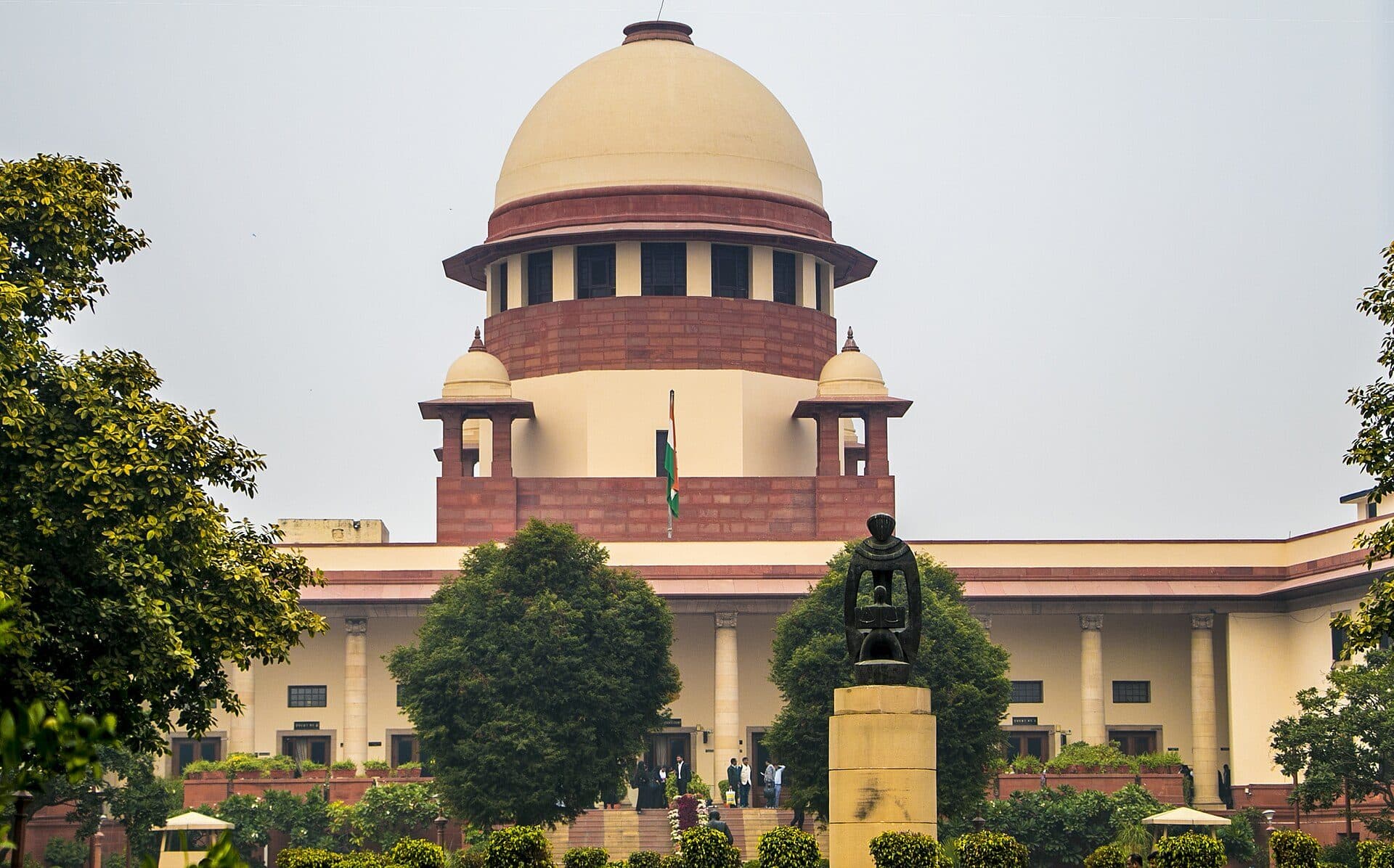
The Union government informed the Supreme Court that its capacity to secure the repatriation of an Indian-origin man serving in the Russian military is constrained because he has relinquished his Indian citizenship and acquired Russian nationality. Solicitor General Tushar Mehta, representing the Centre, stated before a bench comprising Chief Justice Surya Kant and Justices Joymalya Bagchi and V Mohana that New Delhi's role remains extremely limited due to his foreign citizenship status. The bench was hearing a habeas-style petition filed by the man's father, who sought judicial directions to bring his son back from the Russia-Ukraine conflict zone.
Background and Embassy Communications
According to the petitioner's timeline, his son travelled to Moscow in April to pursue higher education. Several months later, his family received formal communication from the Indian Embassy in Moscow stating that he had enrolled in the Russian armed forces as a Russian citizen. The embassy reported that it had contacted the Russian Ministry of Defence to request his release, noting from available documentation that the individual had voluntarily surrendered his Indian passport and obtained a Russian one.
Court Inquiries and Next Steps
During the proceedings, the Supreme Court raised questions regarding the agreement the student entered into with the educational intermediary who arranged his trip to Moscow. The bench also asked whether the Indian government could intervene after Russian officials confirmed the change in nationality. While Solicitor General Mehta noted that Russian authorities possess the legal right to withhold information about individuals enrolled in their military as citizens, he assured the court that the government would examine potential avenues for repatriation, including humanitarian intervention, and seek specific instructions from the concerned ministry.
- The Centre stated its legal role is restricted due to foreign citizenship.
- The Supreme Court directed the government to explore all options for repatriation.
- The Indian Embassy in Moscow previously requested the man's release from the Russian Ministry of Defence.
- The Union government informed the Supreme Court that its capacity to secure the repatriation of an Indian-origin man serving in the Russian military is constrained because he has relinquished his Indian citizenship and acquired Russian nationality.
Spotted an error? · Our editorial policy
UP NEXTGovernment Proposes New Delimitation Legislation to Implement Women’s ReservationSwipe more stories · IndiaQuick cards, a few lines each. Tap to open.More from India
Supreme Court Issues Contempt Notices Over Madurai Temple Lamp Dispute
RSS Chief Mohan Bhagwat Says Lack of Compassion Drives Global and National Crises
Supreme Court Asks Centre to Consider Mother-Based Caste Certificates in Specific Cases