Supreme Court Warns Yamuna Basin Jurisdictions of Penalties Amid Rising Pollution Levels
The Supreme Court has warned Yamuna basin states and Union Territories of financial penalties if water quality worsens within their jurisdictions.

- Supreme Court warned Yamuna basin states and Union Territories of penalties for worsening water quality.
- Central Pollution Control Board directed to monitor entry and exit points and draft a penalty formula.
- Treatment plants must install tamper-proof smart energy meters and upload live operational data within one month.
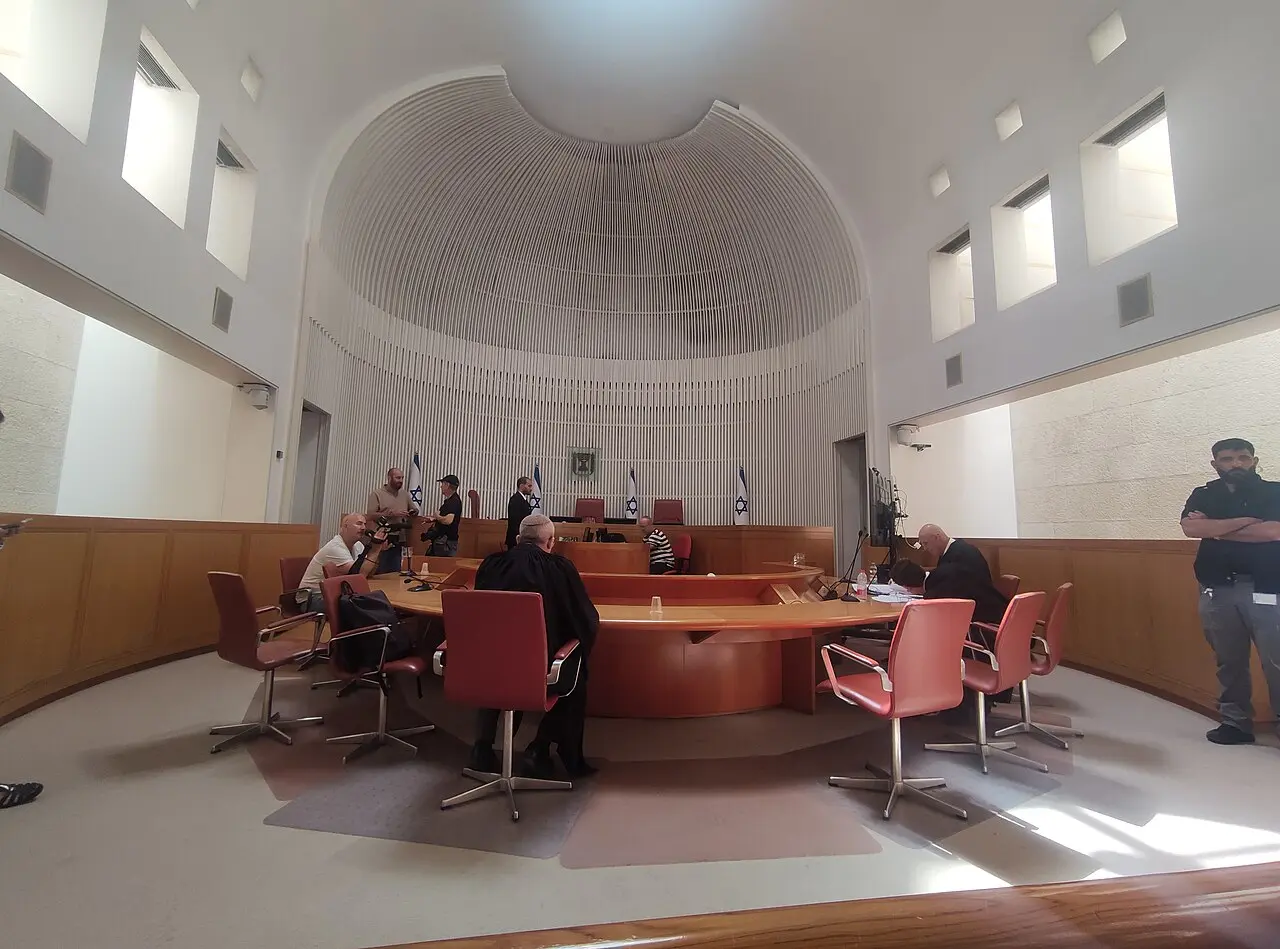
Photo: Nizzan Cohen / Wikimedia Commons (CC BY-SA 4.0)
The Supreme Court has issued strict warnings to states and Union Territories situated within the Yamuna basin, announcing that local administrations will face penalties if pollution levels worsen as the river flows through their territories. A judicial bench comprising Justice Manoj Misra and Justice Manmohan intervened after observing that river conditions continue to deteriorate despite substantial public spending on cleanup efforts.
During the proceedings, the bench connected the worsening state of the river directly to broader governance failures in surrounding urban and rural settlements. The court noted that hundreds of wastewater drains emptying into the waterway mirror systemic flaws in civic administration across towns and villages along the banks. According to regional data cited during the hearings, Delhi contributes a substantial portion of the overall pollution load despite housing only a short stretch of the river's total length.
Monitoring Framework and CPCB Directives
To enforce accountability, the bench instructed the Central Pollution Control Board to oversee water metrics at all entry and exit points for every state, Union Territory, and district traversed by the river. The pollution watchdog must additionally formulate a compensation calculation method for environmental violations. Regional administrations may subsequently recover assessed fines from responsible polluters and negligent officials following formal inquiries, with collected amounts deposited directly into the court registry.
The judiciary expanded operational backing for the regulatory board by mandating comprehensive assistance from all central and regional ministries, departments, and police forces. Authorities must supply administrative, logistical, and armed support upon request during inspections. Furthermore, the Central Pollution Control Board is required to execute unannounced quarterly audits, backed by environmental compensation fees applied for every day of non-compliance.
Infrastructure Oversight and Administrative Deadlines
Strict technological mandates were established for regional sanitation facilities. All sewage treatment plants, common effluent treatment plants, and official biogas installations must integrate tamper-proof smart energy meters within a one-month window. Facilities are required to stream live operational metrics and discharge data publicly, while septage tankers face GPS tracking implementation. Additionally, designated officers supervising treatment facilities and major drainage points must submit monthly compliance affidavits, with their identities published on an open portal.
Chief Secretaries across Yamuna basin states—including Uttarakhand, Himachal Pradesh, Haryana, Uttar Pradesh, and the Union Territory of Delhi—alongside relevant central ministry secretaries, face a two-week deadline to appoint a senior nodal officer holding a rank no lower than Special Secretary. As of mid-November 2026, formal public designations remained pending. The ongoing litigation is scheduled to resume on January 13, 2027.
Political Reactions
Outside the courtroom, political figures seized upon the environmental crisis. Samajwadi Party chief Akhilesh Yadav offered sarcastic commentary directed at ruling party representatives assembling for a conclave in Mathura, suggesting participants consume river water before their sessions to test its safety.
- The bench noted that hundreds of wastewater drains reflect widespread civic administration failures.
- Penalties collected can be recovered by local administrations from specific polluters and negligent officials after an inquiry.
- The next court hearing in the matter is scheduled for January 13, 2027.
- The Supreme Court has issued strict warnings to states and Union Territories situated within the Yamuna basin, announcing that local administrations will face penalties if pollution levels worsen as the river flows through their territories.
Spotted an error? · Our editorial policy
UP NEXTSanjay Kapoor Stars in ‘Unexpected – Safed Sach’ Based on 2024 Dehradun CaseOther angles · #Central Pollution Control Board
Timeline →- NewsDelhi’s Air Quality Hits ‘Poor’ at 279 With Several Areas Entering ‘Very Poor’ Zone
- NewsDelhi Air Quality Nears Very Poor Bracket as Calm Surface Winds Trap Pollutants
- NewsSupreme Court Notes Worsening Yamuna Pollution Despite High Expenditures
- NewsDelhi Air Quality Remains Very Poor as Multiple Stations Record Severe Pollution and Fog Settles In
More from Environment
Delhi Records Season’s Coldest Morning as Air Quality Remains in ‘Poor’ Category
Delhi registers coldest morning of the season with temperature dipping to 11.6 degrees Celsius
Deep Depression Intensifies Into Cyclonic Storm Akvan Over Bay of Bengal