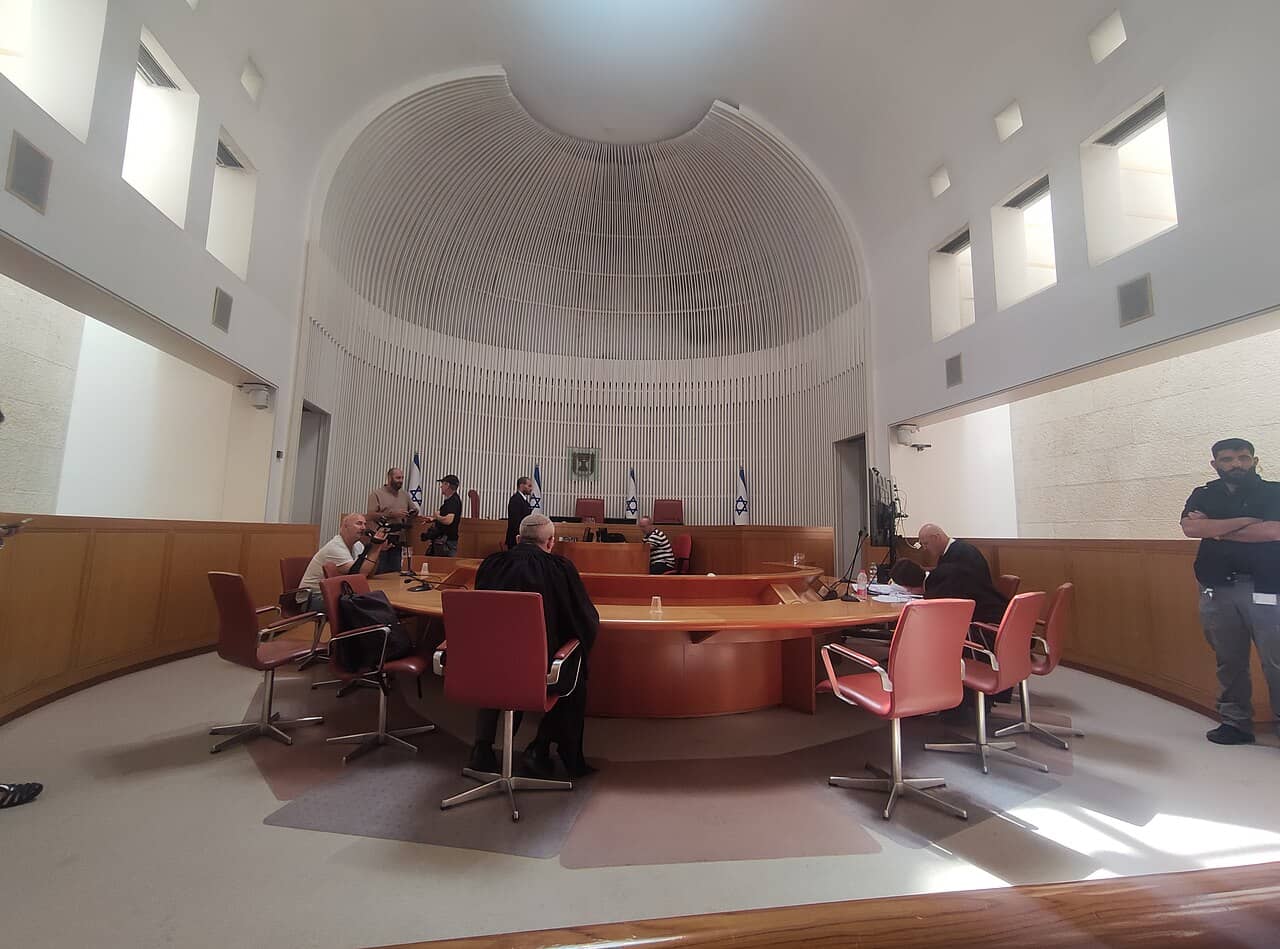
Supreme Court Notes Worsening Yamuna Pollution Despite High Expenditures
The Supreme Court observed that pollution levels in the Yamuna have escalated despite extensive cleaning expenditures, directing accountability measures and expanded monitoring.

- Supreme Court noted rising Yamuna pollution despite major cleaning expenditures
- Bench ordered Central Pollution Control Board to monitor entry and exit water quality
- Jurisdictions face penalties if water parameters deteriorate within their boundaries
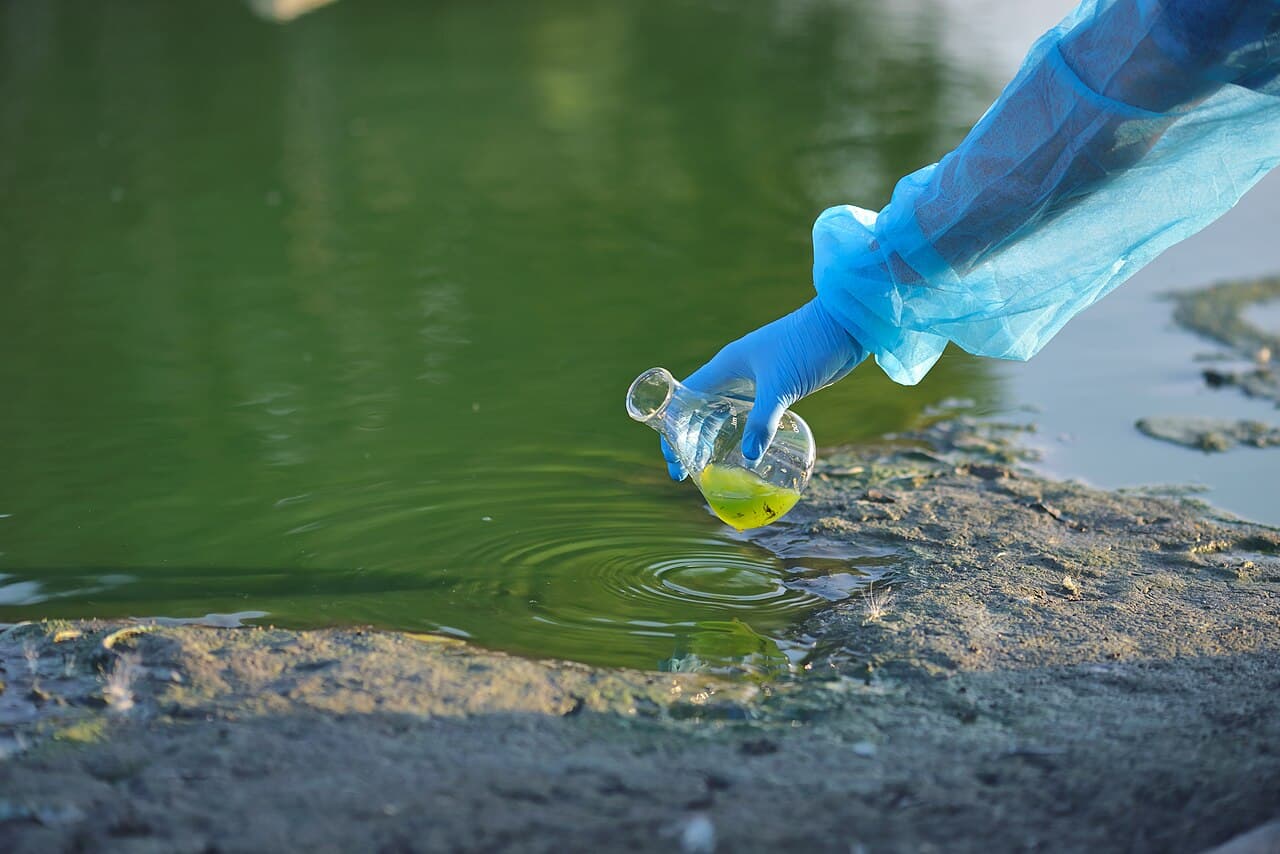
The Supreme Court noted that pollution levels in the Yamuna have continued to worsen despite substantial financial expenditures directed toward cleaning the waterway. In a November 4 order, a bench comprising Justices Manoj Misra and Manmohan emphasized that building additional treatment plants alone fails to resolve the underlying contamination issues.
Source Control and Civic Challenges
The bench stated that civic administration failures across settlements along the banks are mirrored in the deteriorating condition of the water body, which receives wastewater from 520 drains. Justices highlighted that industrial discharges and raw sewage must be addressed at their origin. However, intercepting sewage remains difficult due to combined stormwater and sewer networks, alongside densely populated unauthorized colonies lacking grid layouts or adequate space for underground utility lines.
According to the bench, unauthorized settlements and slum clusters situated along drainage paths and riverbeds require clearance alongside occupant rehabilitation to prevent ongoing sewage discharge. The court stressed that intercepting waste before treatment presents immense hurdles in unplanned neighborhoods.
Monitoring and Penalties
The apex court instructed the Central Pollution Control Board to track water quality at entry and exit points across states, Union territories, and districts. Jurisdictions will face accountability and financial penalties deposited with the court registry if water parameters worsen during passage, with the board tasked to formulate a compensation calculation method.
Investigations and Facility Access
Authorities mandated the board to probe specific pollution episodes such as fish mortality, foam accumulation, algal blooms, and elevated biochemical or chemical oxygen demand levels, requiring root-cause analysis and corrective actions. Furthermore, all public and private operators managing treatment infrastructure must grant unhindered, round-the-clock access for inspections, sampling, and data integration.
The proceedings are scheduled to resume on January 13.
- Justices Manoj Misra and Manmohan issued the order on November 4
- The river receives wastewater from 520 drains along its course
- Next court hearing scheduled for January 13
- The Supreme Court noted that pollution levels in the Yamuna have continued to worsen despite substantial financial expenditures directed toward cleaning the waterway.
Spotted an error? · Our editorial policy
UP NEXTPrime Minister Narendra Modi Visits IIT Kharagpur for Platinum Jubilee CelebrationsOther angles · #Central Pollution Control Board
Timeline →- NewsDelhi’s Air Quality Hits ‘Poor’ at 279 With Several Areas Entering ‘Very Poor’ Zone
- NewsDelhi Air Quality Nears Very Poor Bracket as Calm Surface Winds Trap Pollutants
- NewsSupreme Court Warns Yamuna Basin Jurisdictions of Penalties Amid Rising Pollution Levels
- NewsDelhi Air Quality Remains Very Poor as Multiple Stations Record Severe Pollution and Fog Settles In
More from Environment
Delhi Records Season’s Coldest Morning as Air Quality Remains in ‘Poor’ Category
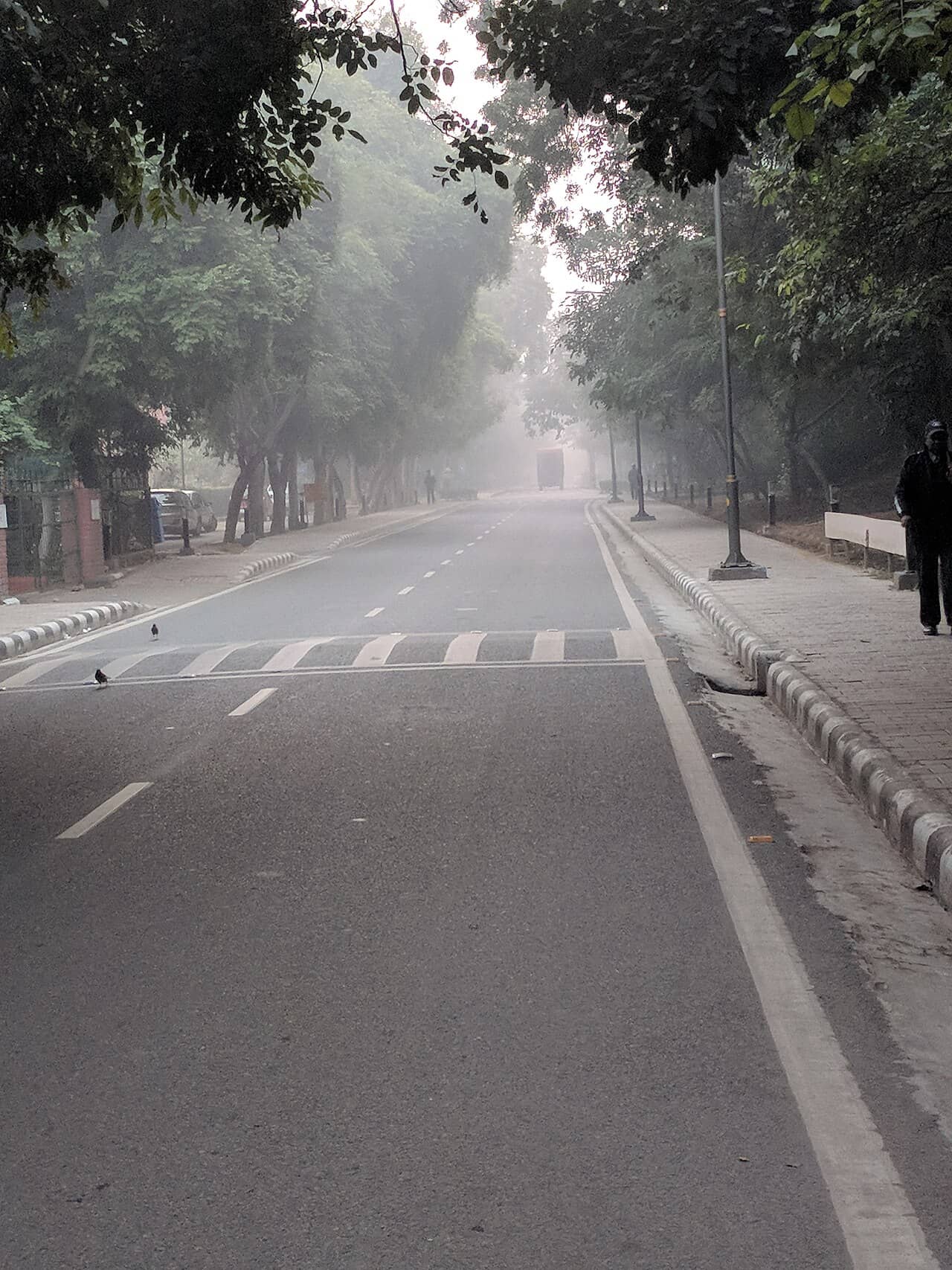
Delhi registers coldest morning of the season with temperature dipping to 11.6 degrees Celsius
Deep Depression Intensifies Into Cyclonic Storm Akvan Over Bay of Bengal