Supreme Court Clarifies CBSE Three-Language Policy Implementation
The Supreme Court clarified that CBSE students in Classes 6 through 9 may keep their current language combinations during the policy transition.

- Supreme Court allows students to keep existing three-language choices.
- Two-language students can continue this year and take a third language next year.
- Third-language assessments for Classes 6 to 9 remain at the school level.
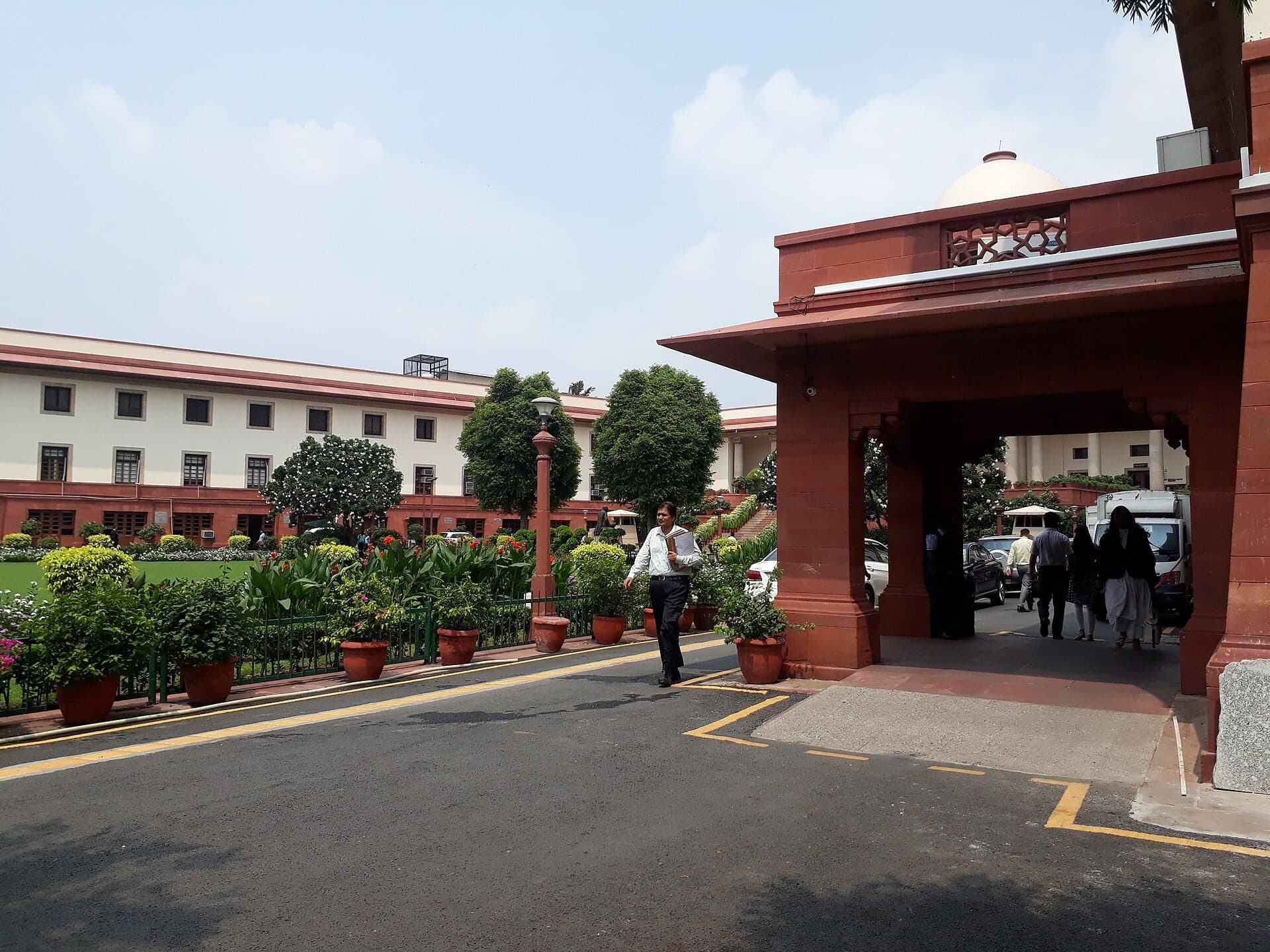
The Supreme Court addressed the implementation of the Central Board of Secondary Education three-language policy, issuing an oral clarification regarding student language choices in Classes 6 through 9. A bench consisting of Chief Justice Surya Kant, Justice Joymalya Bagchi, and Justice V Mohana stated that students who previously selected three languages may maintain those options without being forced to revert to two. The court noted this measure prevents academic disruption by ensuring learners do not alter their language combinations midway through the ongoing session while the framework is rolled out in phases.
Interim Provisions and Board Submissions
For pupils currently studying only two languages, the bench noted they may maintain that pattern for the current academic year on the condition that they adopt a third language the following year. Furthermore, the court confirmed that the third language for students in Classes 6 through 9 will continue to be assessed at the school level rather than through the Class 10 board examinations during this transitional relaxation. These remarks arose from a board application seeking modification of a previous September 28 order, which had extended evaluation exemptions previously granted to higher classes down to the Class 6 batch.
Institutional Readiness and Ongoing Status
During the proceedings, the board stated that approximately 4,186 out of roughly 23.44 lakh Class 6 students would benefit from the exemption, adding that textbooks and instructors for the 22 scheduled Indian languages are largely available. The judges questioned the board regarding institutional readiness and the classification of English as a non-native language. While the oral remarks provide immediate interim guidance pending a formal written order, the clarification leaves the underlying revised three-language requirement fully in place.
- Existing three-language choices are protected during the transition.
- Two-language students must add a third language next academic year.
- Evaluations for the third language remain at the school level.
Spotted an error? · Our editorial policy
UP NEXTGovernment Plans Three Legislative Measures for Women’s Quota and House Seat ExpansionSwipe more stories · EducationQuick cards, a few lines each. Tap to open.More from Education

Chandigarh University Hosts Sixth FAP National Awards to Honor Private Education Contributors

IIT Madras Launches GATE 2027 Paper-Wise Mock Tests Ahead of February Exams
Ten Former Chief Justices Open India’s First CJI Museum at O.P. Jindal Global University