UN Climate Summit in Turkey Faces Standoff Over Draft Excluding Fossil Fuel Phase-out
Negotiators at the COP31 climate conference in Antalya are in a prolonged standoff after a proposed final agreement failed to include references to fossil fuels.

- The COP31 draft omits all references to fossil fuels, oil, and coal.
- Delegates from the EU, Panama, and other nations have formally objected to the proposal.
- The conference is in record-breaking overtime, exceeding 44 hours beyond the original deadline.
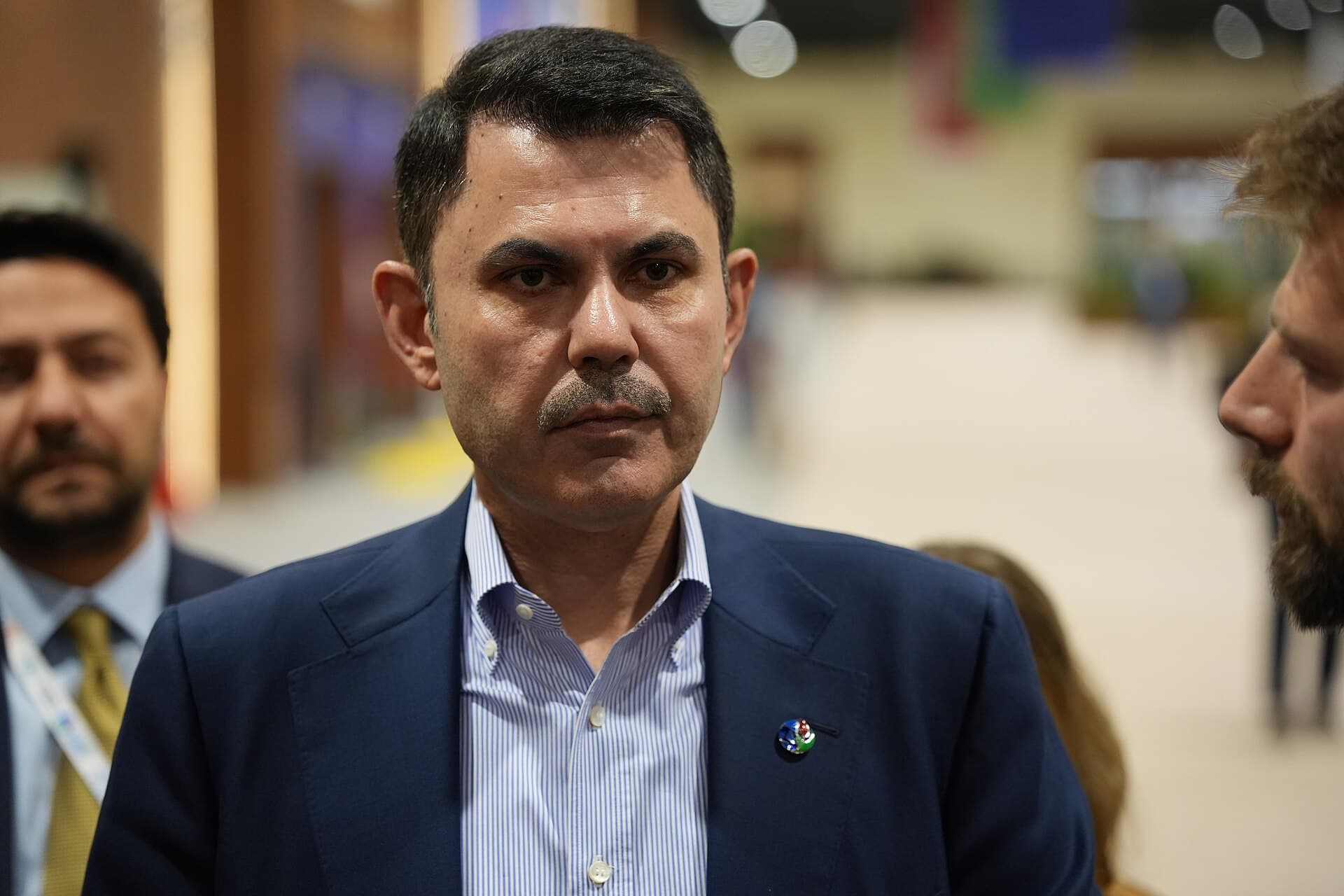
The COP31 United Nations climate conference in Antalya, Turkey, has entered a period of unprecedented overtime, extending more than 44 hours past its scheduled conclusion as delegates struggle to reach a consensus on a final agreement. The impasse follows the release of a 10-page draft by Turkish Environment Minister Murat Kurum, which has drawn intense criticism for omitting key terms such as “fossil fuels,” “coal,” “oil,” or any specific commitment to phase them out.
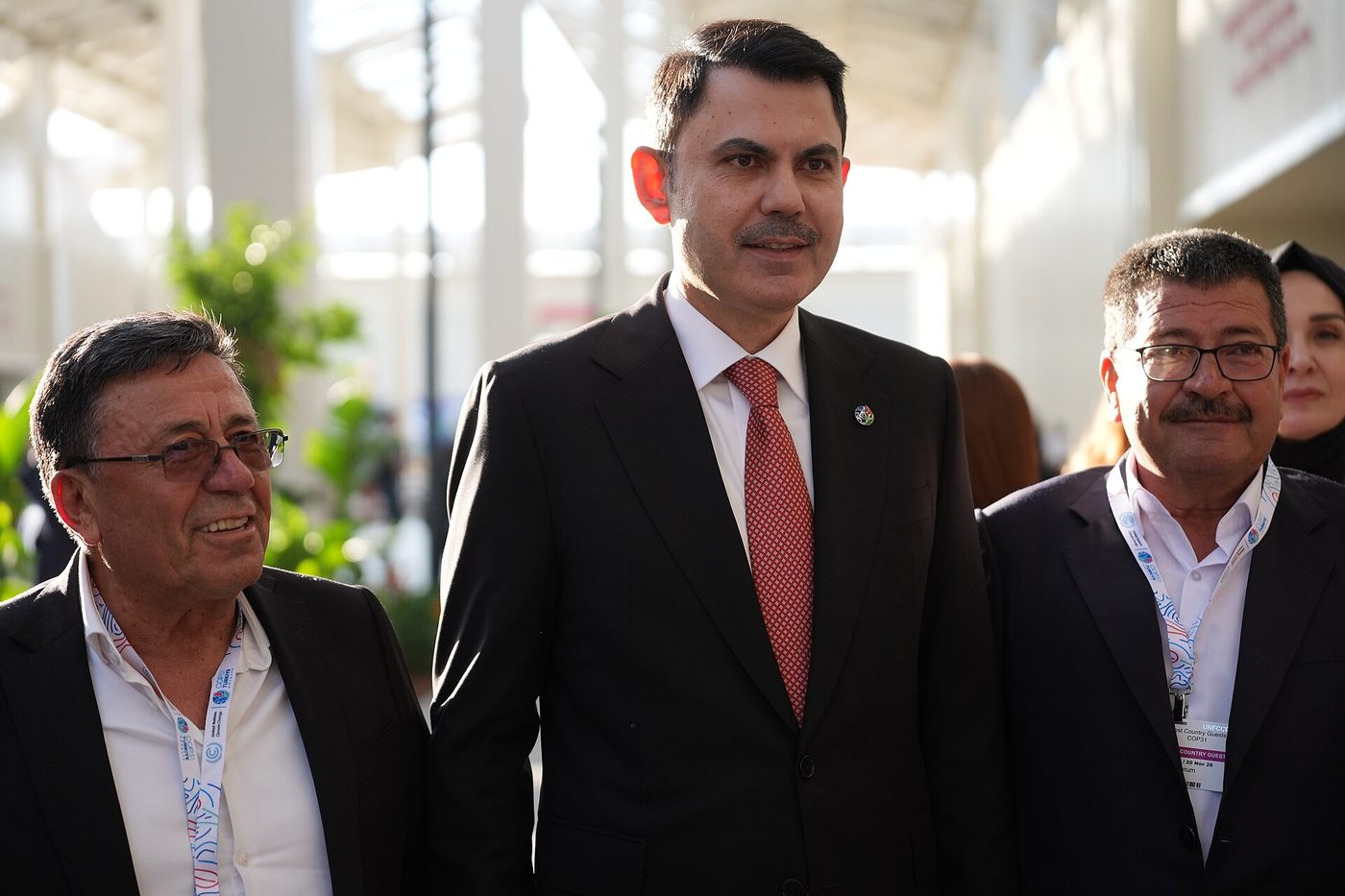
Objections and Procedural Tensions
The absence of fossil fuel language has sparked significant backlash from a coalition of nations and blocs, including the European Union, the Marshall Islands, and Panama. Darragh O’Brien, Ireland’s climate minister, speaking on behalf of the EU, characterized the omission as unconscionable. Meanwhile, Panamanian Environment Minister Juan Carlos Navarro accused the proceedings of being held hostage by a “petroleum mafia,” echoing broader concerns that the draft undermines commitments established at the 2023 Dubai summit. Russia has expressed support for the draft’s exclusion of explicit fossil fuel references.
The atmosphere inside the conference has become increasingly volatile. During a plenary session, a heated moment occurred when Minister Kurum was captured on a hot microphone telling UN climate chief Simon Stiell to “sit down” as Stiell attempted to offer procedural advice. Tensions were further exacerbated when Antwi-Boasiako Amoah, representing the African Group of Negotiators, criticized the presidency for showing a lack of respect toward the 54-nation bloc.
Controversial Energy and Financial Provisions
A central feature of the draft is a proposal to capture, reuse, and store 1 billion metric tons of carbon annually. While presented as a solution for industrial sectors struggling to transition to renewables, climate experts and advocacy groups argue that this focus serves the oil industry and could provide a justification for continued investment in fossil fuel infrastructure. Rachel Cleetus of the Union of Concerned Scientists reiterated that there is no credible pathway to limit climate change without a rapid phase-out of fossil fuels.
The draft also proposes an electrification goal, aiming to increase the share of electricity in global final energy consumption from approximately 21% to 35% by 2035. While the plan suggests transitioning sectors like transportation and industrial manufacturing to electricity, activists are calling for clear language mandating that this electricity must be derived from renewable sources rather than fossil-fuel-powered grids. Bill Hare, CEO of Climate Analytics, warned that electrification powered by coal or gas would fail to lower emissions.
Additionally, climate-vulnerable nations remain dissatisfied with the lack of progress on financial aid. Despite past discussions regarding the tripling of support for adaptation, delegates from impacted regions stated that the current proposal offers mere conversation rather than the tangible financial baselines required to address disasters such as recent flooding in Nepal and extreme heat waves in Europe. With delegates beginning to depart Antalya, organizers have expressed concern that a lack of a quorum may prevent the passage of any final document before the summit concludes.
- Negotiators are deadlocked over a draft agreement that omits mandatory fossil fuel phase-outs.
- The COP31 summit has set a record for the longest overtime in climate talk history.
- Conflict persists regarding financial support for climate-vulnerable nations and the reliance on carbon capture technology.
- The COP31 United Nations climate conference in Antalya, Turkey, has entered a period of unprecedented overtime, extending more than 44 hours past its scheduled conclusion as delegates struggle to reach a consensus on a final agreement.
Spotted an error? · Our editorial policy
UP NEXTAndhra Pradesh Congress Chief YS Sharmila Blocked by Bengaluru Police from Entering Yelahanka PropertyOther angles · #climate change
Timeline →More from World

Vladimir Putin Discusses Indian Cultural Depth and Linguistic Breadth

David Beckham highlights Madhya Pradesh student’s stand against child marriage
Russian President Vladimir Putin Praises India’s Cultural and Linguistic Diversity