COP31 Becomes Longest UN Climate Summit Amid Deadlock Over Fossil Fuel References
The COP31 climate summit in Turkey concluded without an overarching agreement after the European Union rejected a proposed pact that omitted explicit references to fossil fuels.

- COP31 is now the longest UN climate summit, exceeding 44 hours of overtime.
- The EU rejected the Antalya Pact because it lacked explicit mentions of fossil fuels.
- Negotiations stalled due to conflicts over climate finance, carbon capture technology, and the pace of energy transitions.
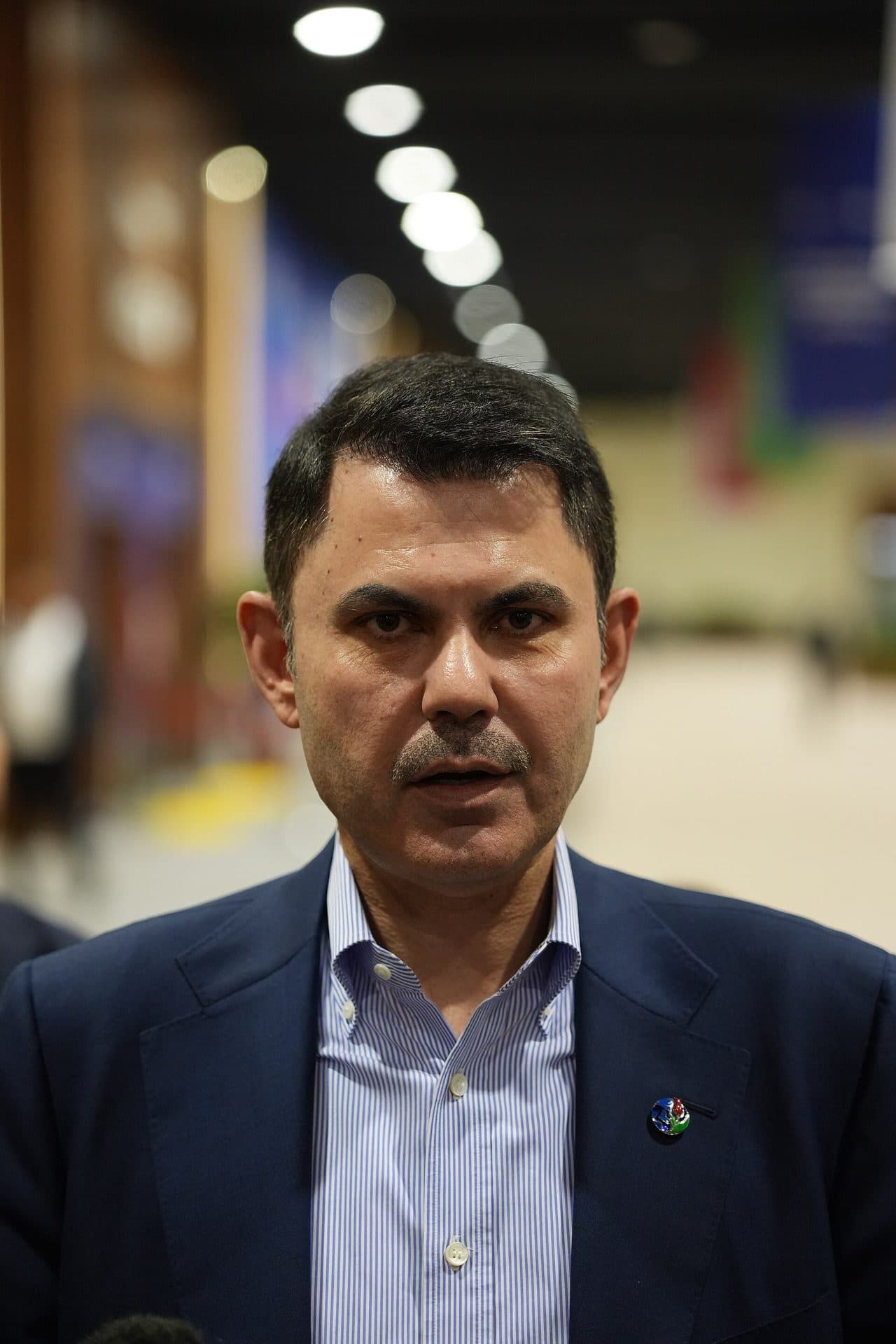
The COP31 climate summit in Antalya, Turkey, concluded without the adoption of a final political agreement, marking the end of the longest-running United Nations climate conference on record. The summit extended 44 hours beyond its scheduled conclusion on Friday, with negotiations ultimately failing to secure the consensus required among nearly 200 participating nations to pass the proposed "Antalya Pact."
The European Union's Objection
The primary point of contention was the proposed text's failure to explicitly mention fossil fuels. Representing the European Union, Ireland's Climate and Energy Minister Darragh O'Brien stated that the bloc would not endorse a document that omitted coal, oil, and gas, arguing that such an oversight would constitute a form of fossil fuel greenwashing. The EU maintained that any agreement lacking these specific references would contradict previous climate commitments and fail to address the primary drivers of global warming.
Belgium’s climate minister, Jean-Luc Crucke, echoed these sentiments, labeling the proposed draft unacceptable. The EU's stance was supported by a coalition of countries, including Norway, the United Kingdom, the Marshall Islands, Panama, Vanuatu, and Belize, which collectively argued that the draft lacked the necessary ambition to respond to the urgency of the climate crisis.
Disagreements Over Technology and Energy Security
Negotiations were further strained by disagreements regarding carbon capture and storage technology. While supported by the fossil-fuel industry, the expansion of this technology faced criticism from environmental groups and several nations, who argued it was ineffective and costly. Conversely, Saudi Arabia advocated for maintaining a broad range of climate solutions suited to varying national circumstances. Additionally, Russian delegates expressed concerns that reducing the supply of fossil fuels faster than consumer demand could result in energy poverty and significant price volatility.
In an effort to bridge the divide, summit co-hosts Turkey and Australia proposed an alternative pathway focusing on electrification. The draft sought to increase the share of electricity in final energy consumption to 35 percent by 2035. However, this proposal faced skepticism, partly because it did not mandate that the electricity utilized must be generated from renewable sources.
Climate Finance and Developing Nation Priorities
The impasse was also driven by disputes over financial support. Developing nations, including Kenya, criticized the draft for failing to provide a credible, transparent pathway for adaptation finance. These delegations emphasized that countries historically responsible for higher emissions should prioritize financial contributions, noting that the current text did not adequately address the unique needs of vulnerable regions, least-developed countries, or small island states. Nations such as the Philippines underscored that robust climate finance is essential for achieving progress in mitigation, adaptation, technology transfer, and addressing loss and damage.
Conclusion of the Summit
COP31 President Murat Kurum acknowledged the failure to reach a consensus, confirming that no further drafts would be produced. While no overarching political outcome was achieved, individual national commitments and ongoing negotiations regarding existing climate pledges remain active. The conclusion of the summit sets a new duration record, surpassing the previous longest UN climate conference, which was COP25 in Madrid in 2019.

- The COP31 summit surpassed the record for the longest UN climate conference.
- EU members and partner nations blocked the final draft over the absence of specific fossil fuel language.
- Developing nations cited a lack of credible financial commitments for climate adaptation in the proposed text.
Spotted an error? · Our editorial policy
UP NEXTVladimir Putin Discusses Indian Cultural Depth and Linguistic BreadthSwipe more stories · EnvironmentQuick cards, a few lines each. Tap to open.More from Environment
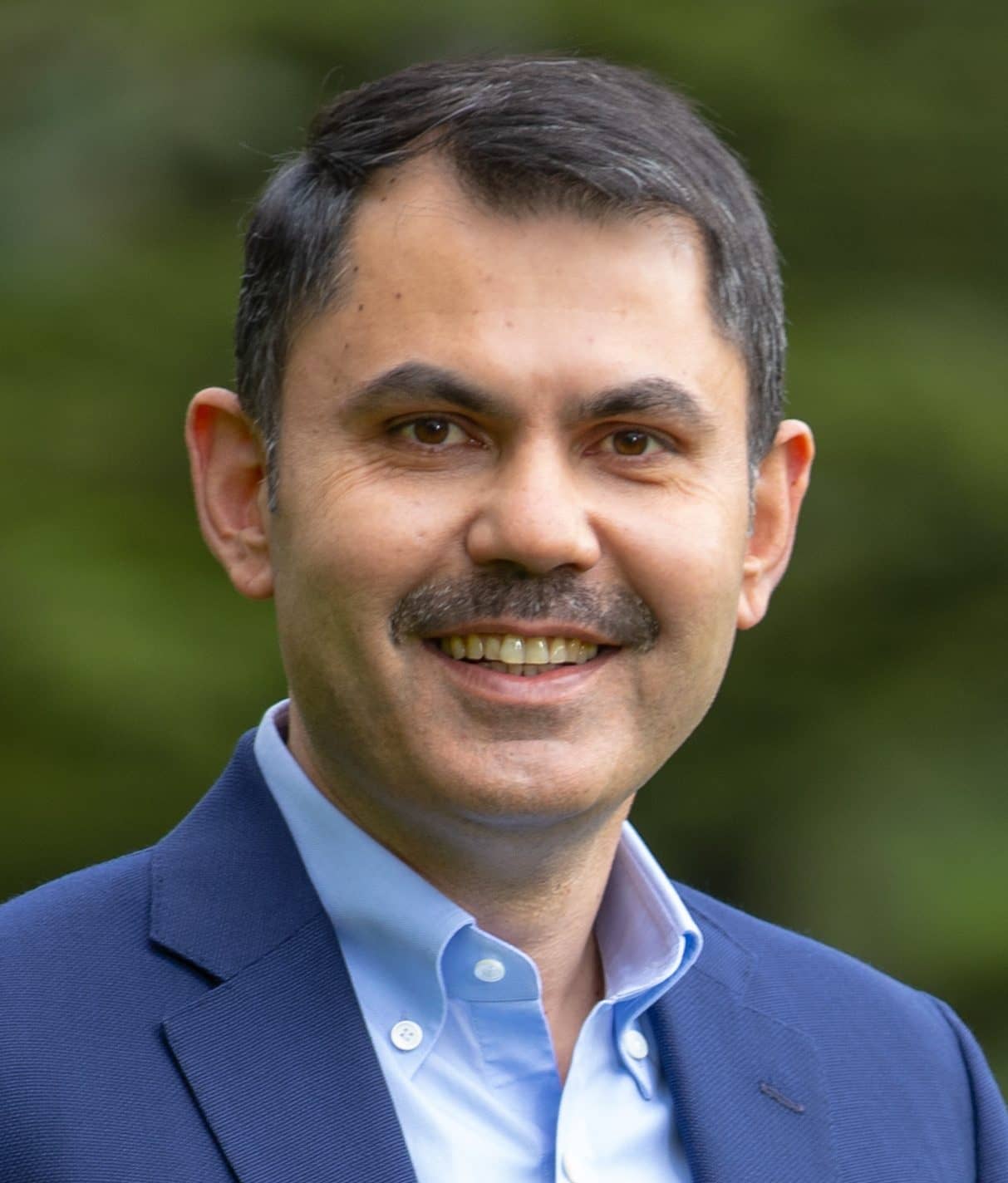
UN Climate Negotiations in Turkey Near Collapse Without Final Agreement

Delhi Records Season’s Coldest Morning as Air Quality Remains in ‘Poor’ Category
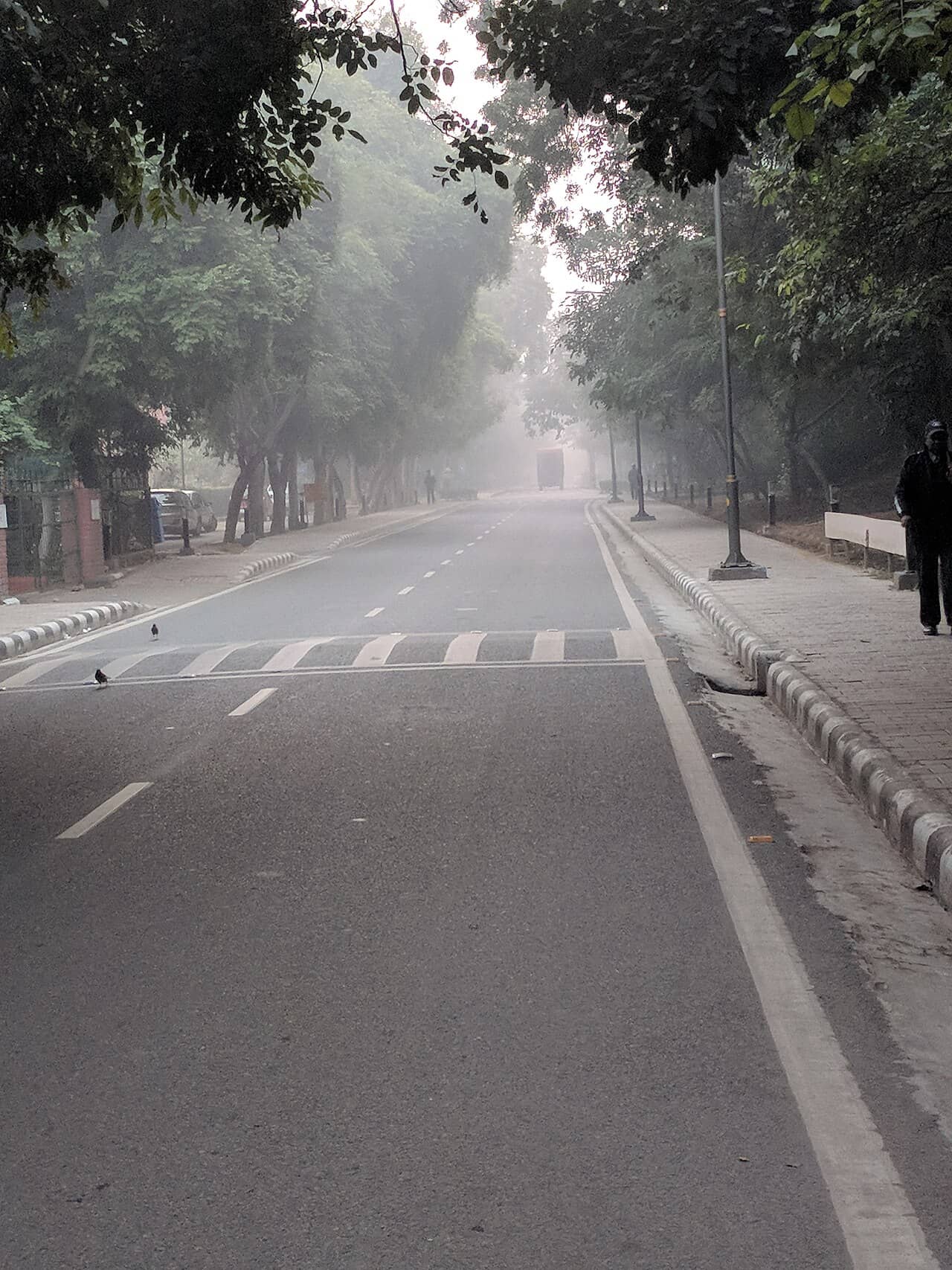
Delhi registers coldest morning of the season with temperature dipping to 11.6 degrees Celsius