Authorities Impose Fines for Polluting Pamba River During Sabarimala Pilgrimage
Pilgrims visiting the Sabarimala shrine face on-the-spot fines of up to Rs 5,000 for discarding personal items or waste into the Pamba River.

- Pilgrims are barred from dumping waste or clothing into the Pamba River during the Mandala-Makaravilakku season.
- Violators face an immediate fine of up to Rs 5,000, with potential prosecution for failure to pay within 15 days.
- The Pamba River is a vital water source for pilgrims and downstream residents, and the order aims to mitigate contamination risks.
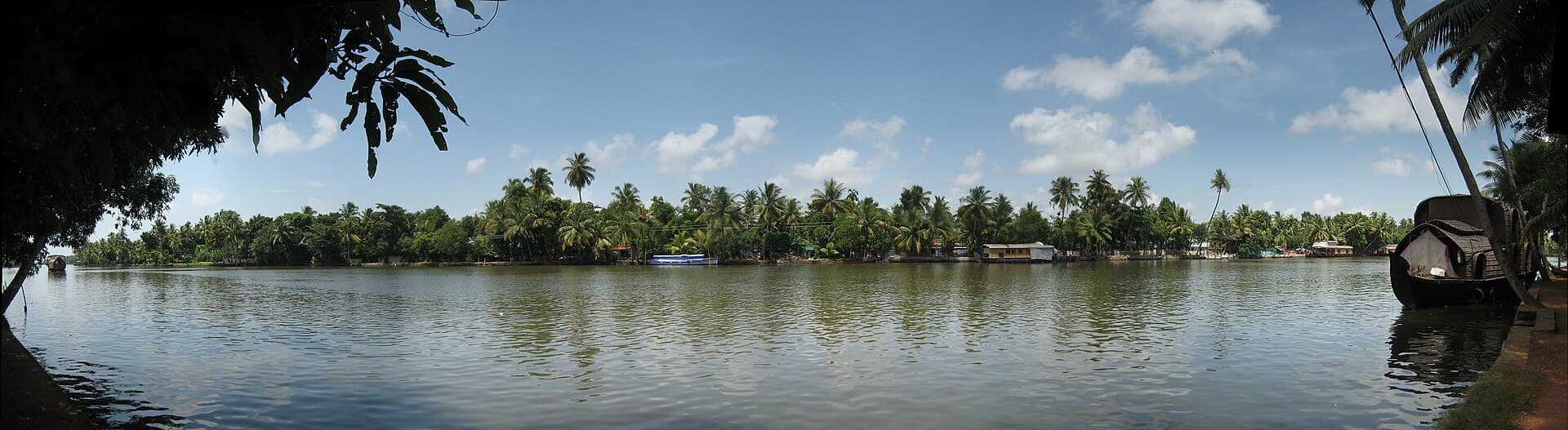
To protect water quality and public health during the ongoing Mandala-Makaravilakku pilgrimage, administrative officials in Kerala have implemented a strict ban on polluting the Pamba River. Under a new order issued by Sabarimala Additional District Magistrate Dilip K Kainikkara, individuals are prohibited from abandoning clothes, garments, or other personal belongings in the river, its tributaries, or its associated bathing ghats. The directive also explicitly forbids the dumping of plastic, solid, or biodegradable waste along the riverbanks and in public spaces near the pilgrimage sites.
Health and Sanitation Concerns
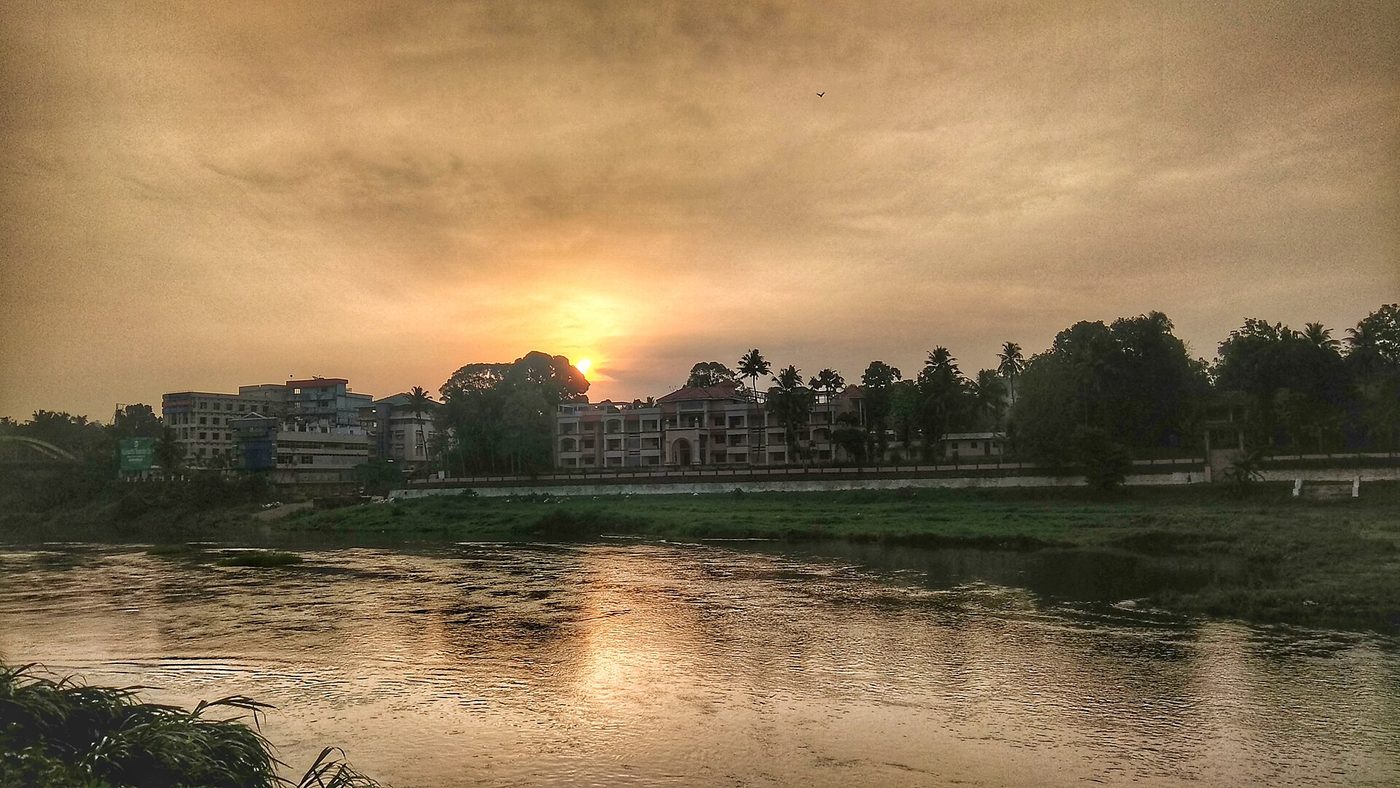
The Pamba River serves as a critical source of drinking water for hundreds of thousands of devotees residing in the Pamba, Nilakkal, and Sannidhanam regions, as well as for communities located downstream. Official reports indicated that the accumulation of discarded materials threatens to contaminate this water supply, obstruct the natural flow of the river, and potentially trigger the spread of waterborne illnesses.
Enforcement and Legal Consequences
The restriction, enacted under Section 163 of the Bharatiya Nagarik Suraksha Sanhita, 2023, empowers specific local authorities to maintain oversight. The Duty Magistrate, the Police Special Officer at Pamba, and the Secretary of the Ranni-Perunad Grama Panchayat are authorized to conduct inspections and issue on-the-spot fines of up to Rs 5,000. Failure to remit these fines within a 15-day window will result in further legal proceedings under the Water (Prevention and Control of Pollution) Act and relevant sections of the Bharatiya Nyaya Sanhita.
The administrative order, which remains in effect for two months, also includes provisions for the Ranni-Perunad Grama Panchayat to utilize collected fine revenue for local sanitation and river-cleaning projects. To ensure compliance, the Travancore Devaswom Board and other regional departments have been instructed to disseminate information regarding these rules through multilingual announcements, public address systems, and prominent display boards.
- The ban covers clothing, solid waste, and plastic items along the river and its banks.
- Enforcement officials include the local police, duty magistrates, and the panchayat secretary.
- The regulations will stay in place for a duration of two months.
Spotted an error? · Our editorial policy
UP NEXTUN Climate Summit in Turkey Faces Standoff Over Draft Excluding Fossil Fuel Phase-outOther angles · #environment
Timeline →More from India

PM Modi Highlights Poverty Reduction Milestone During Gujarat Address

West Bengal Leadership Raises Concerns Over Unrest in Bangladesh

Nara Lokesh Challenges Jagan Mohan Reddy to Debate Over Andhra Pradesh Industrial Progress